Budget Family Meals with 5 Ingredients
Family dinners can get expensive when every meal starts with a long ingredient list. One recipe needs a fresh herb, another needs a special sauce, and another leaves half-used items in the fridge until the next grocery trip starts with waste.
USDA MyPlate guidance is a useful check for five-ingredient meals: the short list still needs a filling base, a protein or hearty plant food, and produce when possible. The ingredient count should simplify dinner, not turn every plate into only starch and sauce.
Budget family meals with 5 ingredients work because they force a clearer plan. Five ingredients is not a magic rule, but it helps a home cook choose one filling base, one protein or main vegetable, one flavor direction, and only the extras that actually change the meal.
Start with a filling base everyone recognizes
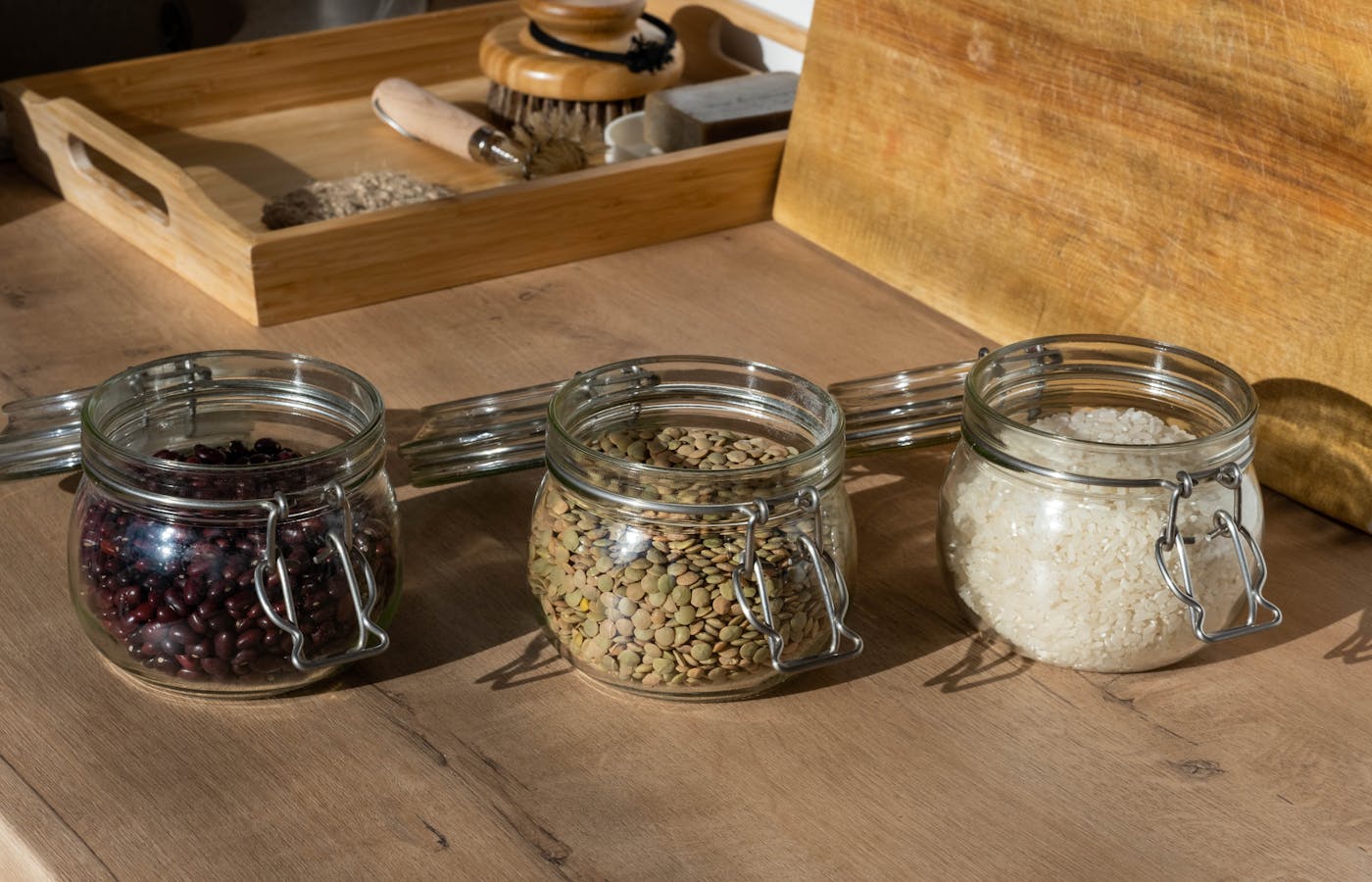
The base is the ingredient that makes the meal feel like dinner instead of a snack. Rice, pasta, potatoes, tortillas, oats, bread, lentils, and beans can all do that job. A good base is affordable, easy to portion, and familiar enough that picky eaters are less likely to reject the whole plate.
For family meals, the base also helps stretch smaller amounts of protein or vegetables. A pan of potatoes can carry eggs and onions. Pasta can carry a simple tomato sauce and beans. Rice can carry chicken, frozen vegetables, or canned tuna without needing many extra ingredients.
Choose the base before choosing the flavor. This keeps the grocery list practical. If rice is already in the pantry, build from rice. If a bag of potatoes needs to be used, let potatoes decide the dinner. The cheapest ingredient is often the one already paid for.
A base should also match the time available. Pasta may be faster on a school night, while potatoes may fit better when dinner can roast in the oven. The five-ingredient limit is easier when the base fits the real evening.
Pick one protein or hearty main ingredient
The second decision is the ingredient that makes the meal more filling. That might be eggs, beans, lentils, canned tuna, chicken thighs, ground meat, tofu, chickpeas, cheese, or a sturdy vegetable such as mushrooms. A family does not need the most expensive protein every night to feel fed.
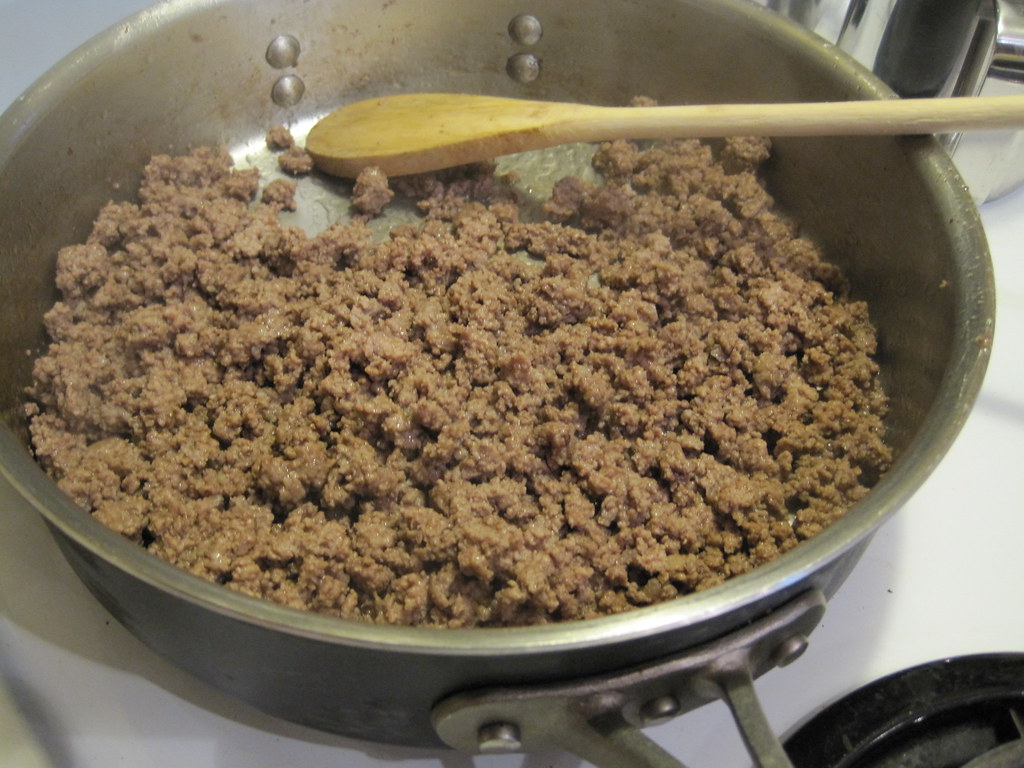
Think in portions, not just packages. One pound of meat may feed more people when it is mixed with rice, beans, pasta, potatoes, or vegetables instead of served as the center of the plate. Eggs can become dinner when they are paired with toast, potatoes, rice, or noodles. Beans and lentils can be the main ingredient without needing meat beside them.
Protein choice should also consider leftovers. A simple bean filling can become bowls one night and wraps the next. Shredded chicken can move from rice to soup. A five-ingredient meal is easier to repeat when the main ingredient can shift into another shape without a new grocery list, and budget ground-beef meals can stretch that same idea into another dinner.
| Base | Main ingredient | Simple family meal |
|---|---|---|
| Rice | Beans | Rice bowls with vegetables |
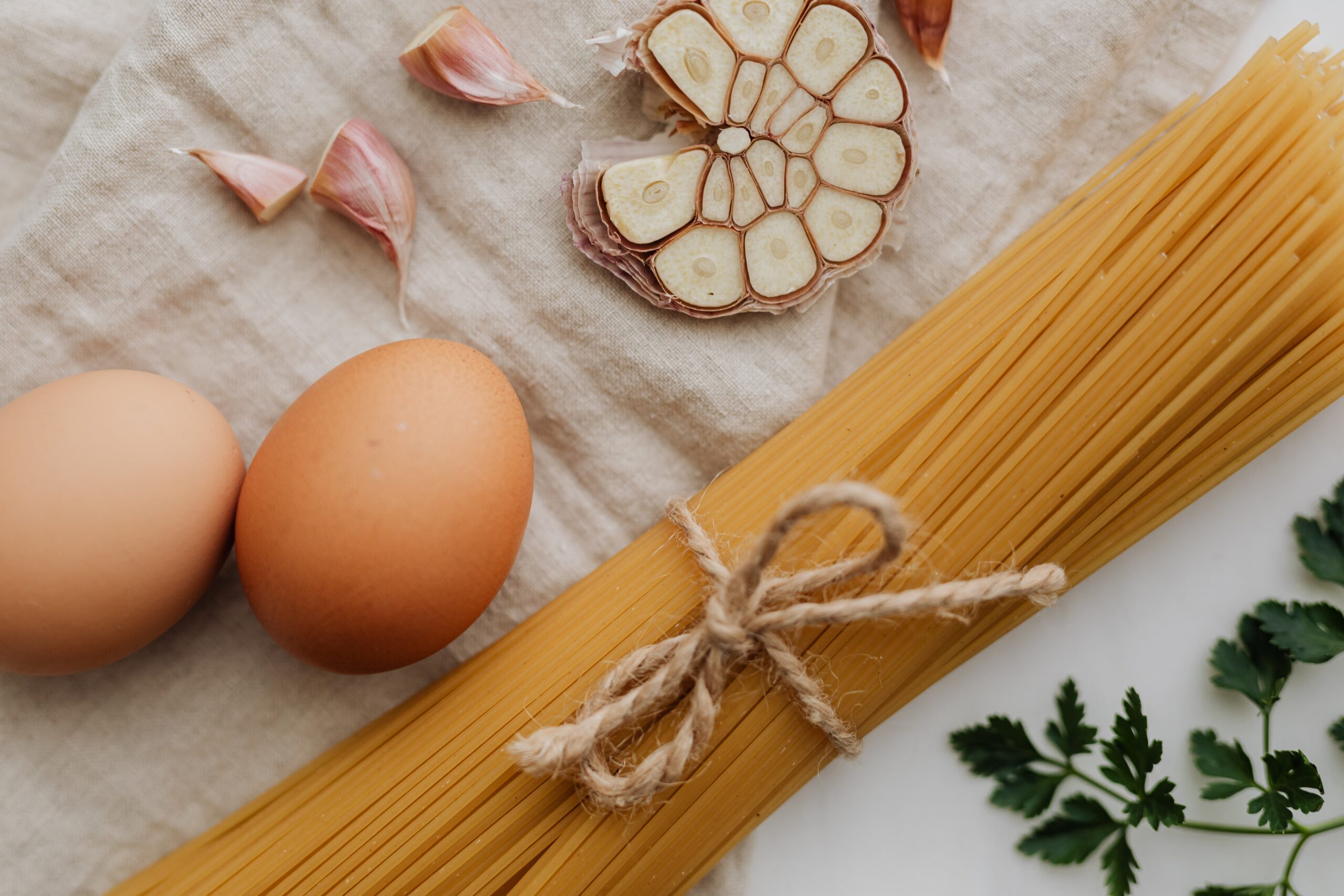
| Pasta | Eggs | Garlic egg noodles |
| Potatoes | Chicken | Sheet pan potatoes and chicken |
Use vegetables that do more than add color
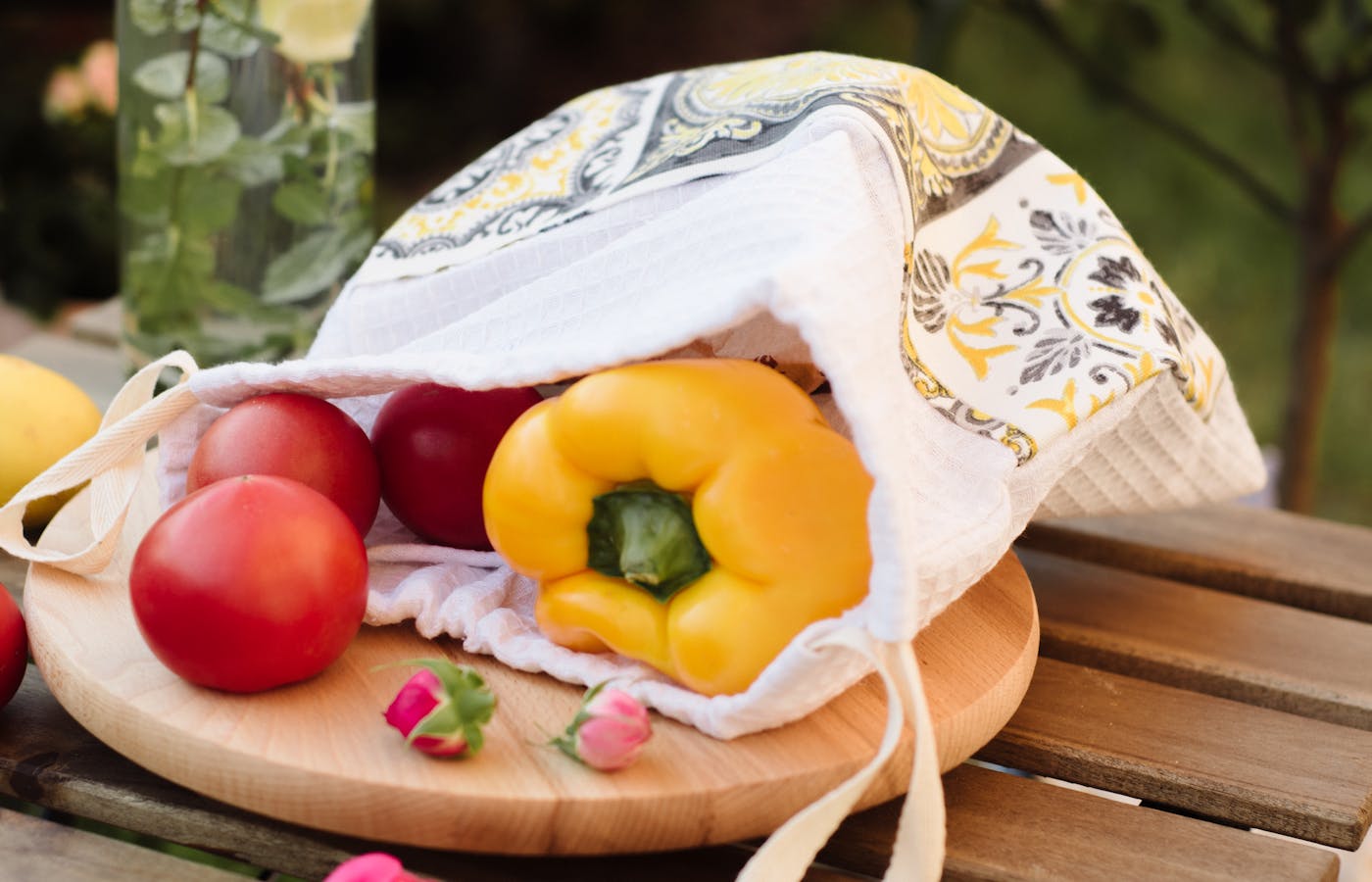
Vegetables should earn their place in a short ingredient list. Frozen peas, cabbage, carrots, onions, spinach, broccoli, peppers, and canned tomatoes are useful because they add bulk, texture, sweetness, moisture, or sauce. A vegetable that only decorates the plate may not be the best choice for a five-ingredient dinner.
Frozen vegetables are especially helpful for budget family meals because they reduce waste. You can use one cup instead of racing to finish a whole bunch of fresh produce. Cabbage and carrots are also strong budget choices because they last longer than delicate greens and can be cooked into many meals.
Choose vegetables that match the cooking method. Quick vegetables fit stir-fries, pasta, and fried rice. Sturdy vegetables fit sheet pans, soups, and skillet meals. Canned tomatoes can count as both vegetable and sauce when the meal needs moisture. The weeknight choice also connects to cheap healthy meals with simple ingredients, where a short ingredient list still has to feel like a complete meal.
Keep children and texture in mind without cooking separate dinners. If raw onions are too sharp, cook them longer. If broccoli stems are disliked, chop them smaller. Small texture changes can make the same ingredient easier for the whole table at dinner.
Let pantry flavor carry the meal
Five ingredients can still taste complete if the pantry is used wisely. Salt, pepper, oil, vinegar, basic spices, soy sauce, mustard, hot sauce, and dried herbs often do not need to count as core ingredients if they are already normal kitchen staples. They make simple food feel intentional.
Pick one flavor lane instead of adding everything. Rice, beans, peppers, and cheese can lean toward taco bowls. Pasta, eggs, garlic, and parsley can lean toward a simple skillet noodle meal. Potatoes, chicken, carrots, and onions can lean toward a roasted dinner. The flavor lane keeps the plate from tasting random.
Be careful with sauces that quietly raise the bill. A jar used once and forgotten can make a cheap meal more expensive than it looks. If the sauce is not already in the kitchen, ask whether a spice, acid, or simple homemade mix can do the job.
Five ingredients should make the decision easier, not make dinner bland. A small pantry flavor habit can turn the same base into several different meals across the week. Keep one or two reliable seasoning lanes ready so the meal does not depend on a new bottled sauce each time.
Build meals from formulas instead of recipes
A formula is more useful than a strict recipe when the grocery budget is tight. Instead of searching for one exact dinner, use a pattern: base plus protein, vegetable, flavor, and optional topping. This lets the cook adapt to sale items, pantry leftovers, and family preferences.
The formula also reduces food waste. If the planned vegetable is broccoli but carrots are already in the fridge, the meal can still work. If chicken is too expensive this week, beans or eggs can step in. The dinner stays recognizable even when one ingredient changes.
Good five-ingredient formulas include rice bowls, pasta skillets, sheet pan dinners, loaded potatoes, quesadillas, soups, and breakfast-for-dinner plates. Each one can feed a family without a long recipe, as long as the base and main ingredient are filling enough.
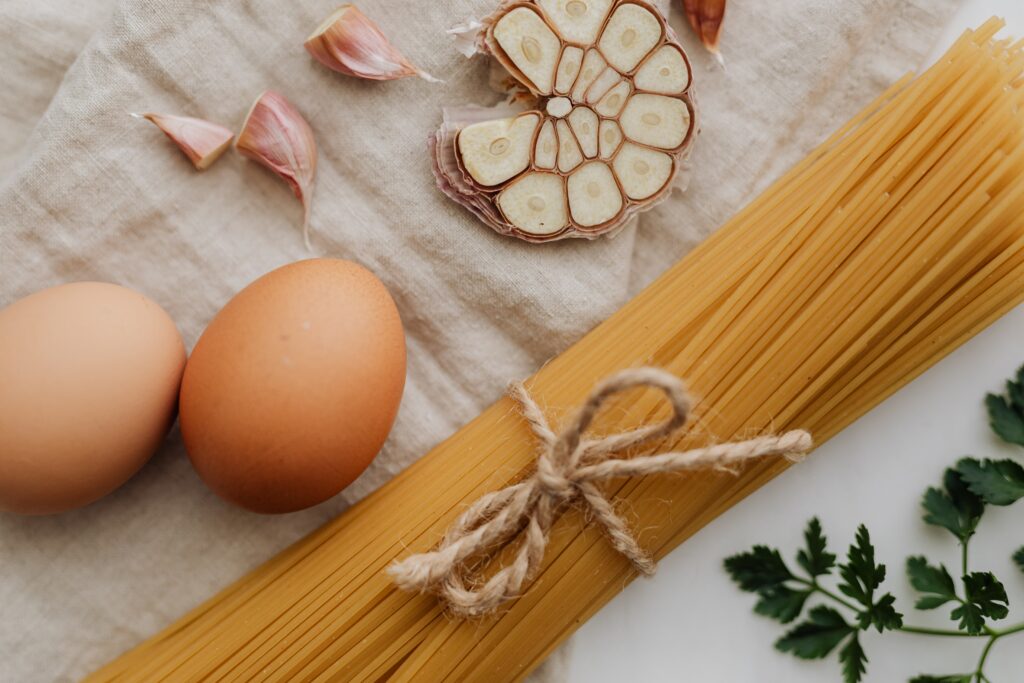
Write the formula in plain language before cooking: rice, beans, frozen vegetables, salsa, and cheese; or pasta, eggs, garlic, greens, and oil. That short list makes it easier to see whether the meal has enough food, flavor, and texture before the pan is hot. It also keeps shopping focused.
Plan portions before adding extras
Budget meals fail when the ingredient list is short but the amount is too small. Before adding toppings, ask whether the meal has enough base, protein, and vegetables for the number of people eating. A sprinkle of cheese or herbs cannot fix a dinner that is simply not enough food.
Use larger amounts of the cheaper base when needed. Rice, pasta, potatoes, beans, and lentils can stretch a meal without making it feel thin. Then use smaller amounts of stronger ingredients, such as cheese, sausage, chicken, olives, or sauce, where they add the most flavor.
Portion planning also protects tomorrow’s lunch. If the same pot must cover dinner and leftovers, set aside the lunch portion before serving seconds. That habit keeps the budget plan from disappearing at the table.
Simple portion checks include:
- Enough base for each person to have a full serving.
- A protein or hearty ingredient that is visible throughout the dish.
- At least one vegetable or sauce ingredient for moisture and texture.
- A flavor direction that does not require several extra toppings.
- A small leftover plan if the batch makes more than one dinner.
Turn the five-ingredient rule into a weekly habit
The five-ingredient rule becomes easier when it is used before shopping, not after the fridge is full. Choose two or three dinner formulas for the week, repeat one base across meals, and buy ingredients that can overlap without making every dinner taste identical.
Use this simple planning order:
- Pick one cheap base already in the pantry or on sale.
- Choose one protein or hearty main ingredient.
- Add one vegetable that fits the cooking method.
- Choose one pantry flavor direction.
- Add only one optional topping if the meal truly needs it.
- Plan how leftovers will become lunch or a second dinner.
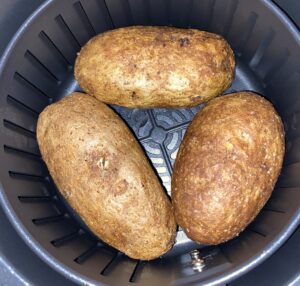
A week might use rice for bean bowls, fried rice, and soup. Another week might use potatoes for sheet pan chicken, potato egg skillets, and loaded baked potatoes. Repetition saves money when it is planned with enough flavor variation and texture. That is where the budget stretches.
Budget family meals do not need to feel like a punishment. With a filling base, one main ingredient, a useful vegetable, and a clear flavor lane, five ingredients can be enough for practical dinners that people actually eat.