Budget-Friendly Soup Recipes for Dinner
Soup is one of the easiest dinners to stretch because it can turn small amounts of vegetables, beans, broth, grains, pasta, or leftovers into a full meal. A pot of soup also gives beginners room to adjust seasoning slowly instead of trying to manage several separate dishes at once.
Budget-friendly soup recipes for dinner become easier when the plan starts with inexpensive building blocks: a base, a filling ingredient, vegetables, seasoning, and a simple topping. The exact recipe can change, but the structure keeps the meal affordable and repeatable.
The goal is not to make a restaurant soup every night. It is to build warm, filling dinners that use what is already in the kitchen before the grocery list grows longer.
Start budget soup dinners with a cheap base
The base decides the cost and direction of the soup. Water can work when the pot includes onions, garlic, herbs, beans, tomatoes, or a flavorful protein, but broth gives a head start. Store-brand broth, bouillon, saved cooking liquid, or a simple vegetable stock made from scraps can all help without making dinner expensive.
Tomatoes are another useful base because canned tomatoes, tomato paste, or crushed tomatoes add body quickly. A small amount of tomato paste cooked with onion and oil can make a thin soup taste deeper. For creamy soups, potatoes, blended beans, or a little milk can create thickness without relying on heavy cream.
Choose the base after checking what needs to be used first. If there are carrots, celery, and onion, a broth base makes sense. If there are beans and rice, tomatoes may fit better. If there are potatoes near the end of their week, a blended potato soup can become dinner with toast or a simple salad.
A low-cost soup starts before the pot is on the stove: it starts with choosing the liquid that matches the food you already own.
Keep the first decision simple. One base, one filling ingredient, and one clear flavor direction are enough for a weeknight soup.
Use beans, lentils, pasta, or rice to make soup filling
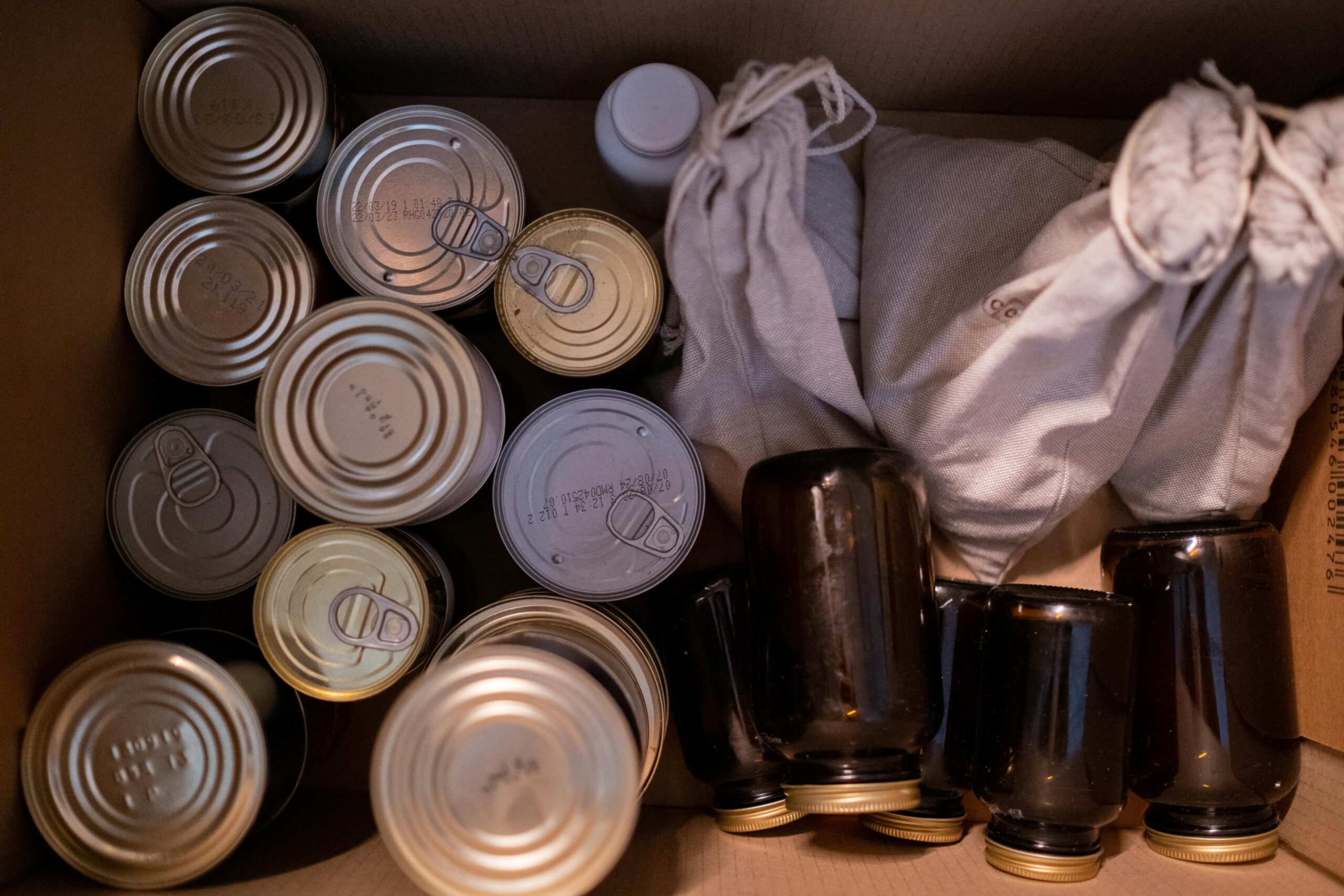
A soup dinner needs more than broth and vegetables if it is supposed to carry the meal. Beans, lentils, pasta, rice, barley, potatoes, and shredded chicken are common budget stretchers because they add body and help the soup feel like dinner. They also make leftovers more useful the next day.
Beans are especially practical. Canned beans are fast, while dry beans are cheaper if you have time to soak or cook them. Lentils cook faster than many beans and can thicken a soup naturally. Rice and pasta are useful, but they continue absorbing liquid, so add them carefully if the soup will be stored for later. The cooking routine works better when filling meatless budget meals give the next meal a practical base without adding more steps.
Use the ingredient that solves the real dinner problem. If the soup needs protein, beans or lentils are strong choices. If it needs to satisfy kids who like familiar textures, pasta or potatoes may be easier. If it needs to use leftover rice, add the rice near the end so it warms without becoming mushy.
| Filling ingredient | Budget advantage | Best soup match |
|---|---|---|
| Beans | Cheap protein and fiber | Tomato, vegetable, and chili-style soups |
| Lentils | Cook quickly and thicken broth | Carrot, tomato, curry, and herb soups |
| Rice | Uses leftovers well | Chicken, vegetable, and lemony broths |
| Pasta | Familiar and filling | Minestrone-style and simple tomato soups |
The best budget soup feels planned, not thin. Add the filling ingredient early enough to flavor the pot, but not so early that it turns soft before dinner.
Build flavor with pantry seasonings instead of pricey extras
Soup can taste flat when every ingredient is chosen only for price. Pantry seasonings fix that problem without adding much cost. Onion, garlic, dried herbs, chili flakes, curry powder, smoked paprika, cumin, bay leaf, vinegar, lemon juice, soy sauce, or a spoonful of mustard can shift the whole pot. Soup can still be a weeknight option when 30-minute dinner ideas keep the rest of dinner quick and manageable.
Start by cooking aromatics in a little oil before adding liquid. Even a few minutes with onion, garlic, celery, carrot, or tomato paste can make the soup taste more deliberate. Dried spices also benefit from a short moment in oil because the flavor spreads through the base instead of sitting on top.
Useful pantry flavor moves include:
- adding tomato paste before broth for a deeper red soup;
- using smoked paprika with beans, potatoes, or lentils;
- finishing vegetable soup with lemon juice or vinegar;
- adding chili flakes only after tasting the base;
- using dried herbs early and fresh herbs at the end.
Season in layers. Salt near the beginning, taste after the soup simmers, then finish with acid or herbs if the flavor still feels dull. If the soup tastes salty but still flat, add brightness instead of more salt. A small splash of vinegar or lemon can make inexpensive ingredients taste clearer.
Turn leftovers and small vegetables into soup recipes
Budget soup dinners are useful because they welcome small leftovers that might not make a full meal on their own. A cup of cooked rice, half a can of beans, roasted vegetables, shredded chicken, a few spoonfuls of tomato sauce, or the last handful of spinach can all become part of the pot.
The trick is adding leftovers at the right time. Raw carrots, potatoes, celery, and onions need time to soften. Cooked vegetables, cooked grains, and leftover meats usually need only enough time to heat through. Delicate greens can go in at the end so they wilt without turning dull. The weeknight choice also connects to quick cheap dinner ideas for a family, where a short ingredient list still has to feel like a complete meal.
Think in small groups instead of random dumping. Tomato base plus beans plus pasta becomes a minestrone-style dinner. Broth plus rice plus chicken becomes a simple chicken rice soup. Potato plus onion plus milk becomes a soft, filling soup. Lentils plus carrots plus curry powder create a cheap, warm dinner with very little effort.
Leftover soup improves when every addition has a job: body, flavor, texture, or freshness.
Skip leftovers that smell off, look questionable, or have already been reheated several times. Budget cooking still needs clear food safety boundaries.
Add inexpensive toppings that make soup feel like dinner
A topping can make a simple soup feel complete without turning the meal expensive. Toasted bread, crackers, leftover rice, a small amount of cheese, chopped herbs, yogurt, sour cream, seeds, chili oil, or crisped tortilla strips can add texture and help the bowl feel more satisfying.
Use toppings to solve what the soup lacks. A smooth blended soup may need crunch. A thin broth may need bread, rice, or noodles. A bean soup may need something bright, such as lime, vinegar, herbs, or a spoonful of yogurt. A spicy soup may need something creamy to balance the heat.
Affordable soup toppings to keep in mind:
- day-old bread toasted with oil and a little salt;
- plain yogurt or sour cream for creamy contrast;
- leftover cooked rice added to each bowl;
- green onions, parsley, cilantro, or celery leaves;
- crushed crackers, tortilla chips, or toasted seeds.
Do not add all toppings to the whole pot if you plan to store leftovers. Keep crunchy or creamy toppings separate so the soup reheats better the next day. This also lets each person adjust the bowl without changing the whole batch.
Plan one budget soup night that creates useful leftovers
A soup night can do more than cover one dinner. If you make a large enough pot, it can become lunch, a freezer meal, or a base for another dinner. The key is planning before the pot is full. Some soups freeze well, while soups with pasta, rice, or dairy may need small adjustments.
If you want leftovers, stop cooking pasta or rice slightly early, or store them separately and add them to bowls later. Cool soup in shallow containers before refrigerating. Label the container with the date so it does not become a mystery meal in the back of the fridge.
Use this simple soup night routine:
- Check the fridge for vegetables, cooked grains, and leftovers.
- Choose one cheap base: broth, tomato, bean, or potato.
- Add one filling ingredient such as beans, lentils, pasta, or rice.
- Season with one main flavor direction.
- Simmer until the firmest ingredient is tender.
- Finish with acid, herbs, or a simple topping.
- Store leftovers in shallow labeled containers.
A flexible soup plan lets the kitchen lead. Start with a base, add something filling, season carefully, and use toppings only where they help. A simple pot can cover dinner tonight and make tomorrow’s meal easier.