How to Plan a Weekly Budget Meal Plan
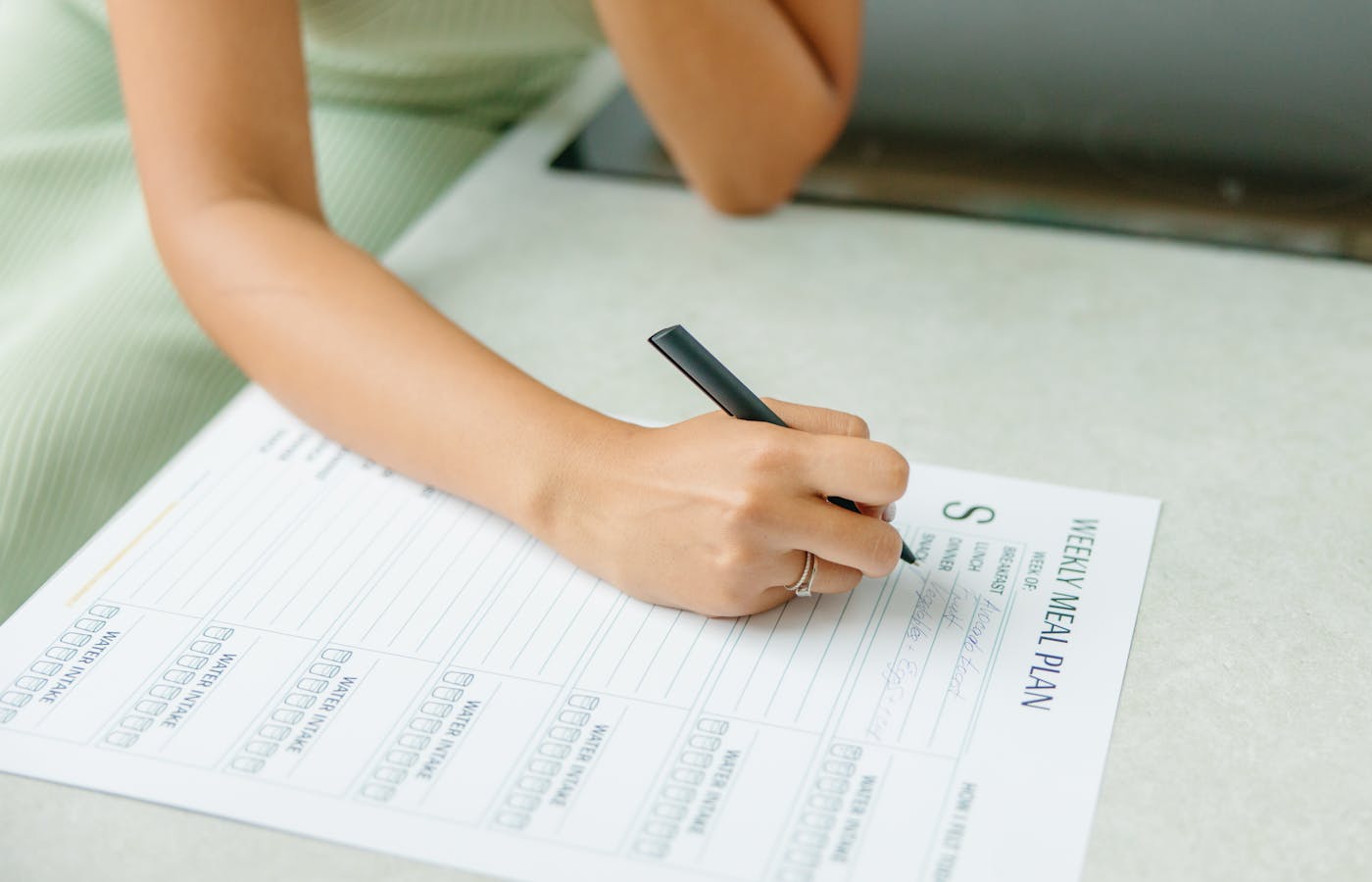
A weekly food budget can disappear quickly when every meal is decided at the last minute. One extra grocery trip, one forgotten ingredient, and one night of takeout can turn a reasonable week into a scattered one. A plan gives the week a shape before hunger makes the decisions.
Learning how to plan a weekly budget meal plan does not mean eating the same meal every day. It means choosing affordable anchors, using what is already in the kitchen, and leaving enough flexibility for real schedules.
A good budget meal plan should answer three simple questions: what needs to be used, what meals can share ingredients, and what backup dinner will save the week when the plan gets interrupted.
Start the weekly budget meal plan with what you already have
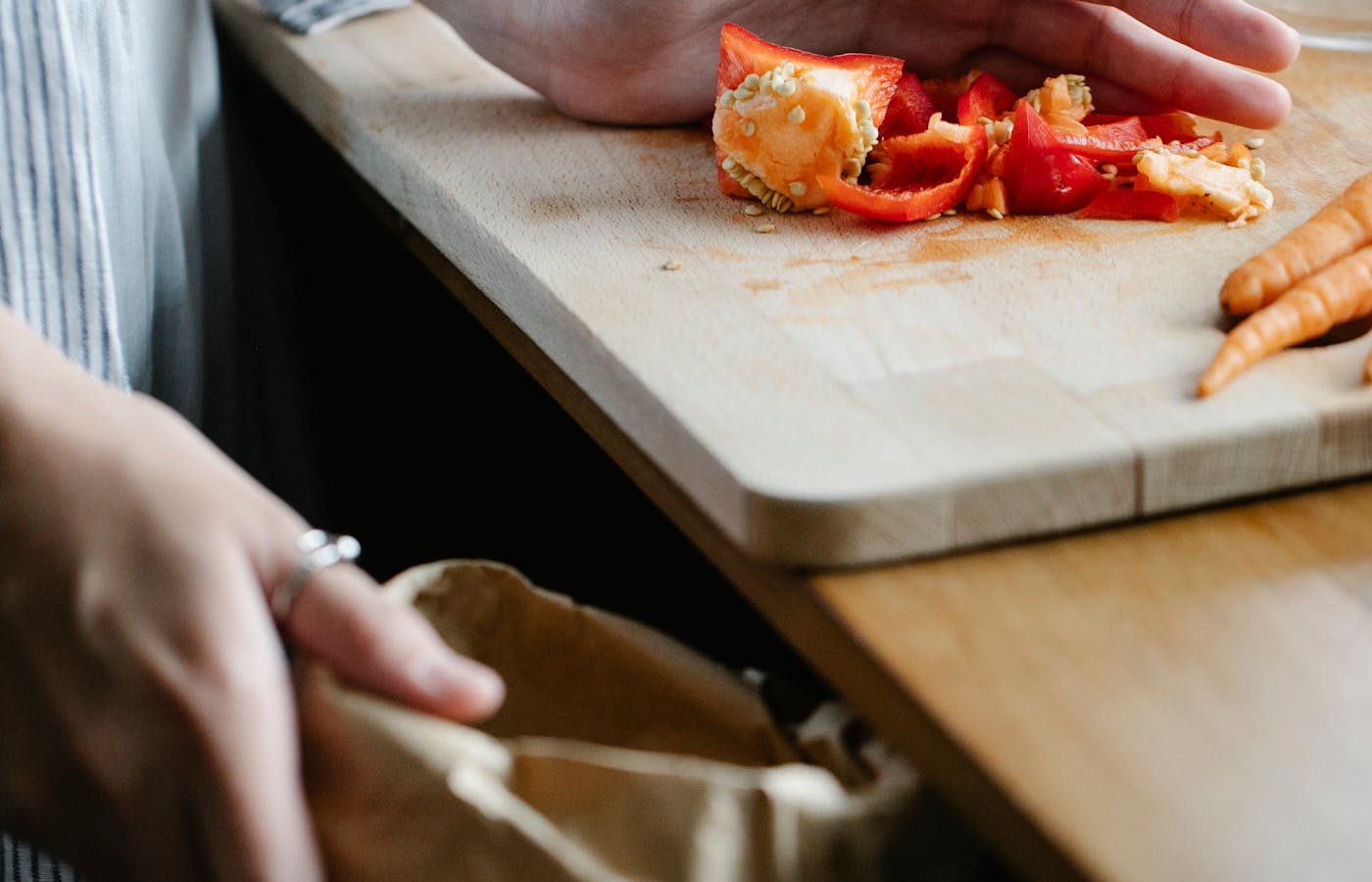
The cheapest groceries are often the ones already in the pantry, freezer, or fridge. Before writing a meal plan, check rice, pasta, beans, lentils, oats, tortillas, canned tomatoes, frozen vegetables, eggs, cheese, sauces, and any produce that needs to be used soon. These items can become the base of the week.
Write down ingredients that are close to expiring first. A bag of spinach, half a jar of sauce, cooked rice, or frozen vegetables should influence the first meals on the plan. This prevents the grocery list from ignoring food that has already been paid for.
Group what you find into meal starters. Rice plus beans can become bowls, burritos, or soup. Pasta plus vegetables can become a quick dinner or lunch leftovers. Eggs plus potatoes can cover breakfast, dinner, or a low-cost backup meal. Even small amounts matter because a few half-used ingredients can shape two or three meals.
A budget meal plan starts with inventory, not with a blank shopping list. Once the kitchen check is done, the grocery list becomes shorter, more intentional, and easier to keep inside the weekly spending limit.
Choose low-cost meal anchors before choosing recipes
Recipes can be helpful, but a weekly budget plan works better when it starts with meal anchors. A meal anchor is the affordable base that several meals can build around: rice, pasta, potatoes, tortillas, beans, lentils, oats, eggs, soup, roasted vegetables, or a simple protein.
Anchors keep the week flexible. Instead of buying separate ingredients for seven unrelated recipes, choose two or three bases that can support different meals. A pot of rice can become stir-fry, burrito bowls, fried rice, or soup. A tray of roasted vegetables can support pasta, wraps, eggs, and grain bowls.
This approach also makes substitutions easier. If peppers are expensive, use carrots or frozen mixed vegetables. If chicken costs too much that week, use beans, eggs, tuna, lentils, or a smaller portion of meat stretched through a larger dish.
| Meal anchor | Budget-friendly meals | Helpful add-ons |
|---|---|---|
| Rice | Bowls, fried rice, soup | Beans, eggs, frozen vegetables |
| Pasta | Skillet pasta, pasta salad | Tomato sauce, greens, canned tuna |
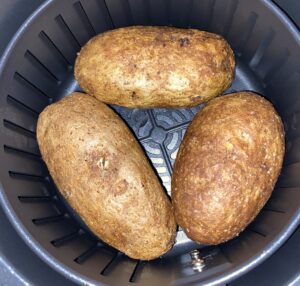
| Potatoes | Hash, baked potatoes, soup | Cheese, beans, leftover vegetables |
| Eggs | Omelets, breakfast bowls, sandwiches | Toast, potatoes, herbs |
When anchors are clear, the plan feels less fragile because several meals can shift without wasting groceries.
Plan dinners first and let lunches follow
Dinner usually drives the grocery budget because it uses the largest portions and the most ingredients. Plan dinners first, then decide which leftovers can become lunches. This keeps lunch from becoming a separate grocery category with its own extra spending.
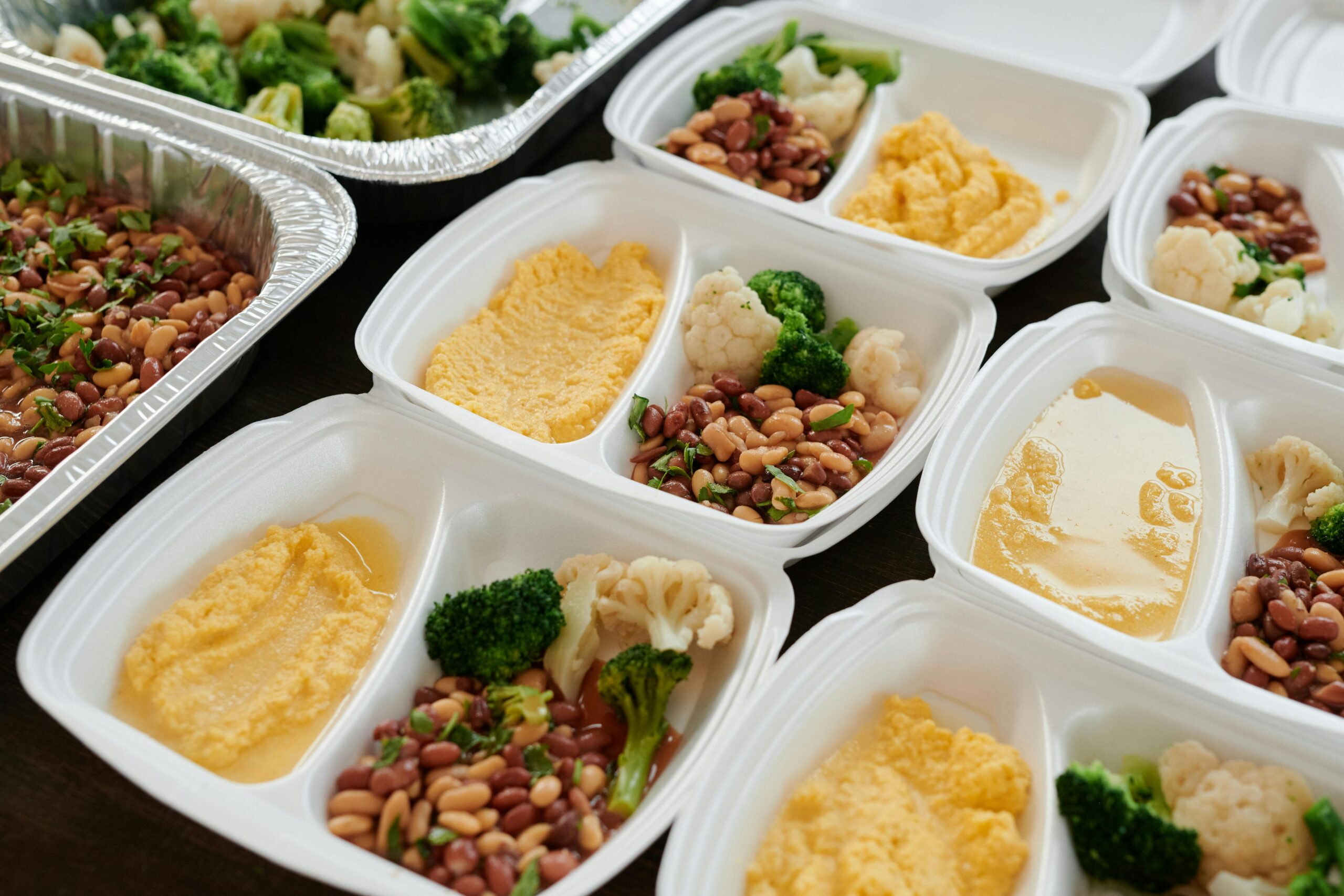
Not every dinner needs leftovers, but two or three planned leftover meals can lower the cost of the week. Cook extra rice, roast a larger tray of vegetables, make a bigger pot of soup, or prepare more beans than one dinner needs. Then assign those leftovers to lunches before they disappear into the fridge.
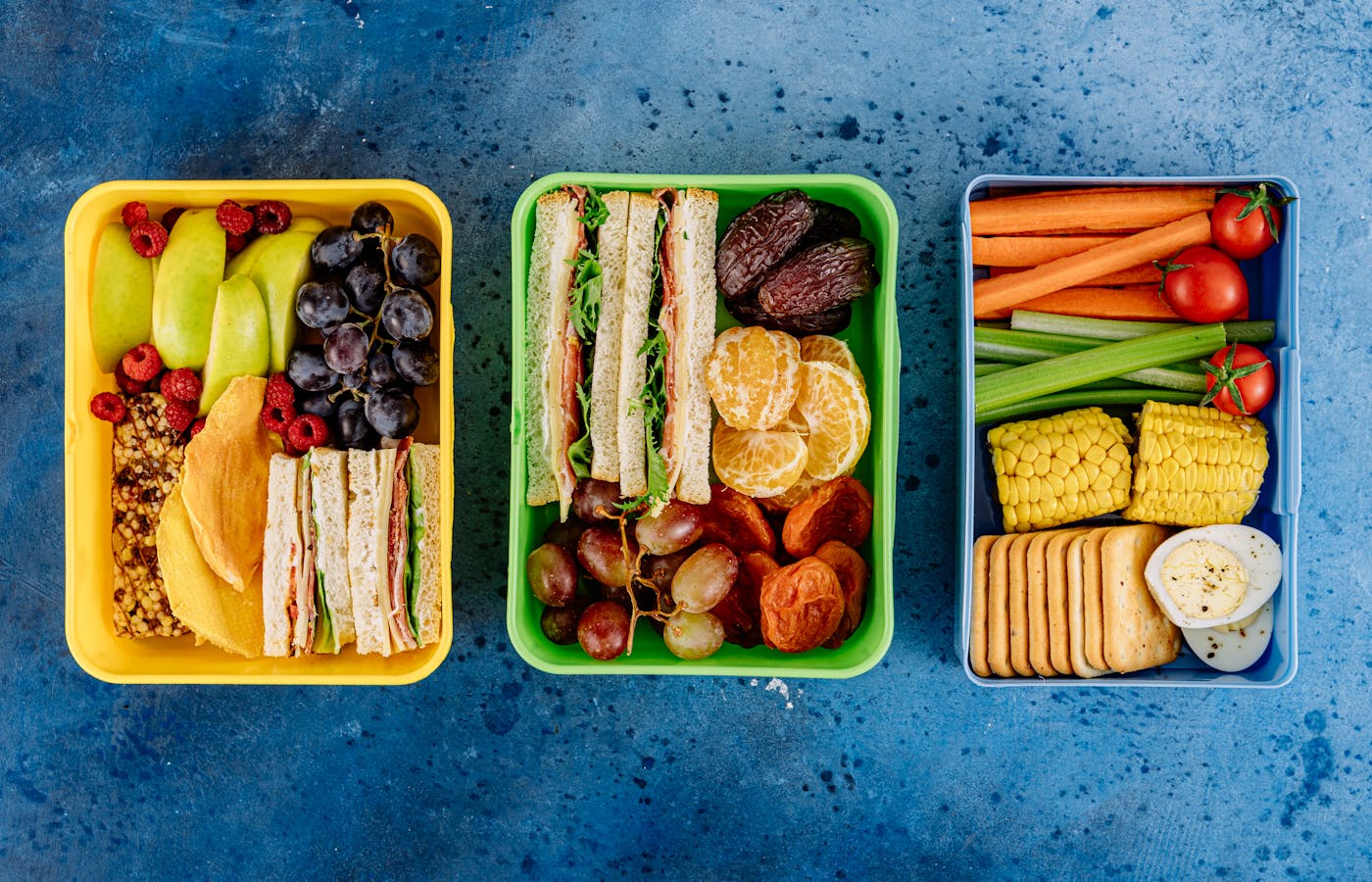
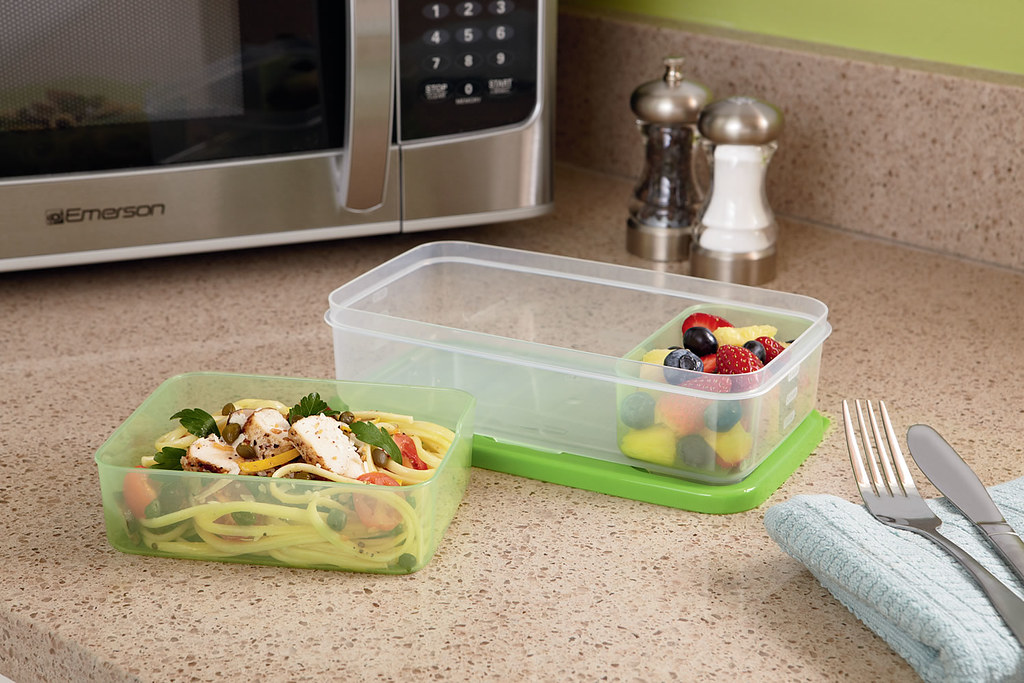
Budget lunches do not have to look identical. Leftover rice can become a bowl one day and soup filler another day. Cooked vegetables can go into wraps, eggs, pasta, or salads. The goal is to reuse ingredients without making the week feel repetitive. That kitchen rhythm is easier to keep a budget meal prep grocery list for beginners plan is especially useful when leftovers and prep containers need a clear purpose.
Helpful lunch planning habits include:
- Choose two dinners that intentionally make leftovers.
- Pack lunch portions before storing the rest.
- Use sauces or toppings to change the flavor.
- Keep one no-cook lunch option for busy days.
- Label leftovers if several containers look similar.
When lunches follow dinners, the grocery list stays tighter and fewer ingredients get stranded.
Build the grocery list by category, not by aisle wandering
A grocery list should protect the meal plan from impulse decisions. Organize it by categories such as produce, protein, grains, dairy, canned goods, frozen items, and pantry extras. This makes it easier to see whether the list is balanced or whether one section is quietly taking over the budget.
Write quantities when possible. Instead of listing vegetables, write three onions, one bag of carrots, frozen broccoli, or two bell peppers if the price is reasonable. Instead of listing snacks, decide what role they play in the week. Vague categories are where extra spending often slips in. That kitchen rhythm is easier to keep a simple weekly meal prep plan is especially useful when leftovers and prep containers need a clear purpose.
Leave room for price swaps. A budget meal plan should not collapse if one ingredient costs more than expected. Write flexible notes like green vegetable, fruit for lunches, or low-cost protein. This allows you to choose the best option in the store without abandoning the plan.
A budget grocery list should guide choices while still leaving room for better prices.
Before shopping, mark anything that is optional. If the total looks high, optional items are the first to pause. This keeps the main meals protected.
Leave one flexible meal for the week you actually have
A plan with seven exact dinners can look organized but fail quickly. Schedules change, leftovers stretch further than expected, and someone may not want the planned meal that night. One flexible meal gives the week a release valve.
The flexible meal should use pantry or freezer ingredients rather than requiring a special grocery run. It might be eggs and toast, pasta with sauce, rice and beans, baked potatoes, soup from leftovers, quesadillas, or a freezer meal. The point is to have a low-cost answer ready before the week gets messy.
Use the flexible meal when a planned dinner gets skipped, when leftovers need attention, or when cooking energy is low. If the week goes smoothly, the flexible meal can stay in the pantry for next week. That means it still protects the budget even when it is not used immediately.
Good flexible meals usually have:
- A shelf-stable or freezer-friendly base.
- Ingredients that last longer than fresh produce.
- A short cooking time.
- Room for leftover vegetables or protein.
- Enough familiarity that nobody needs instructions.
This one meal can prevent a rushed takeout order from replacing the entire budget plan.
Use a short planning routine before the week begins
A weekly meal plan should be short enough to repeat. If planning takes too long, it becomes another chore that gets skipped. Set aside a small window before grocery shopping and use the same order each time.
Use this planning routine:
- Check the fridge, freezer, and pantry for ingredients to use first.
- Choose two or three low-cost meal anchors.
- Plan dinners around the busiest nights first.
- Assign leftovers to lunches where they make sense.
- Add one flexible pantry or freezer meal.
- Write the grocery list by category and quantity.
- Remove optional items if the list is over budget.
After the week ends, keep one note about what worked. Maybe rice bowls were easy, soup made too many leftovers, or fresh herbs spoiled before they were used. Those small notes make the next plan faster because the best budget habits are the ones that can be repeated without starting over.
A weekly budget meal plan is not a promise that every dinner will happen exactly as written. It is a practical map for spending less, using more of what you buy, and keeping easy meals available when the week changes.