Easy Air Fryer Recipes for Beginners
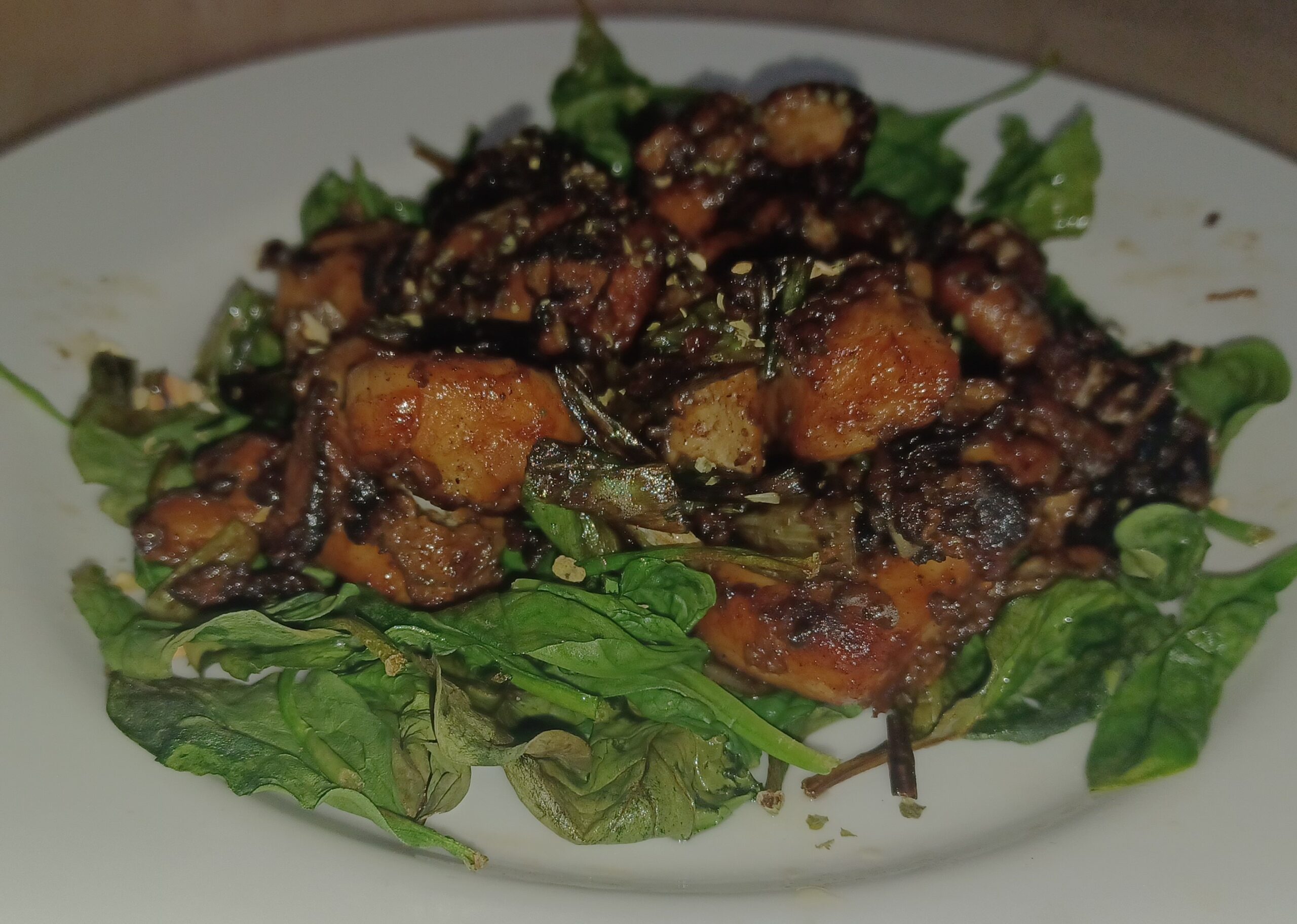
An air fryer can make beginner cooking feel faster, but it still rewards simple choices. The easiest recipes use similar-size pieces, enough basket space, and clear doneness checks instead of guessing from the timer alone.
Start with foods that teach one skill at a time: browning potatoes, cooking chicken safely, crisping vegetables, reheating leftovers, and managing frozen items. Those basics make later recipes less confusing.
The air fryer is not magic; it is a small, powerful oven with fast airflow. That means thickness, spacing, moisture, and shaking matter more than a perfect recipe title. Once a beginner understands those variables, the same appliance becomes easier to use for many different meals.
Potatoes teach timing and shaking
Potatoes are a friendly first air fryer recipe because they show visible progress. Cubes, wedges, or small baby potatoes brown at the edges when they have enough space and a light coating of oil. If they sit piled together, they steam instead.
Cut pieces close to the same size and shake the basket during cooking. The shake exposes new surfaces to hot air. Beginners learn quickly that color, texture, and spacing matter as much as the number on the dial.
| Choice | Beginner check | Why it matters |
|---|---|---|
| Potato cubes | Even pieces and one shake | Good first lesson in browning |
| Chicken pieces | Single layer and doneness check | Teaches safety and timing |
| Frozen foods | Space and shorter checks | Shows how brands vary |
Chicken needs space and a real doneness check
Chicken can be easy in an air fryer, but it should never be treated casually. Use pieces of similar thickness, leave room around them, and check doneness with a thermometer when possible. Brown edges do not always mean the center is ready.
Vegetables become better with dry surfaces
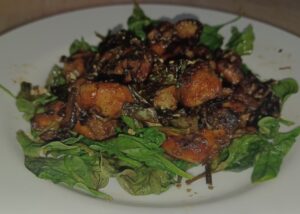
Vegetables brown better when they are not wet. Pat washed vegetables dry, cut them evenly, and use a small amount of oil. Broccoli, cauliflower, carrots, zucchini, green beans, and peppers all respond well when they have room.
Choose vegetables with similar cooking times for the same basket. Broccoli florets, zucchini slices, carrots, and peppers do not all finish at the same speed. If one vegetable burns before another softens, cook them in stages or cut the slower one smaller next time.
Season lightly at first so you can taste what the air fryer does. If vegetables turn soft before browning, the pieces may be too crowded or too wet. The next batch should be smaller, drier, or cut differently.
Beginner checks: Dry vegetables before seasoning. Keep pieces similar in size. Shake or turn once during cooking. Salt after cooking if moisture is a problem.
Frozen foods still need attention
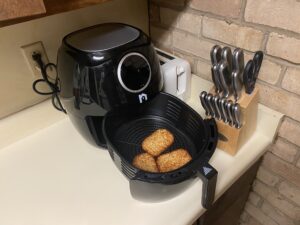
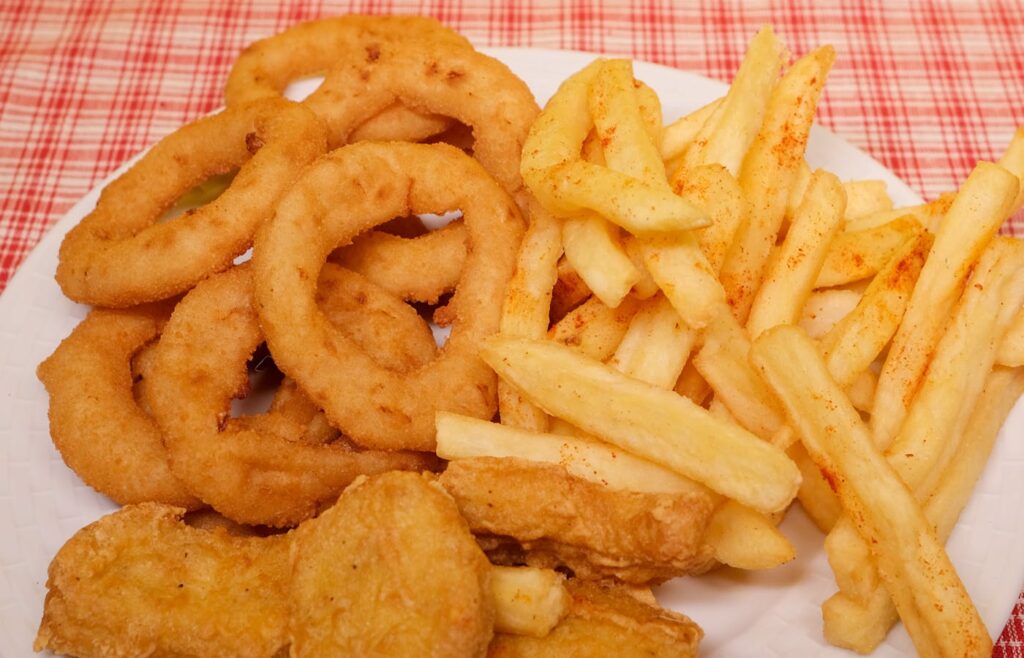
Frozen foods are convenient, but they are not all the same. Fries, nuggets, fish sticks, dumplings, and frozen vegetables can vary widely by brand and thickness. Start checking earlier than the package suggests until you know your appliance. If the air fryer is already busy, simple pasta dinners gives another fast option that does not depend on the same appliance.
Do not assume more minutes are always better. If the outside gets hard while the inside stays cool, lower the temperature slightly or use a smaller batch. Frozen recipes are easiest when you adjust one variable at a time.
Leftovers can become quick meals
The air fryer is useful for leftovers that should regain texture: roasted potatoes, pizza, breaded chicken, vegetables, and sandwiches. Use lower heat than a fresh recipe and check often, because leftovers are already cooked.
Food safety still matters. Reheat leftovers until they are hot enough, and do not use the air fryer to rescue food that has been stored too long. Texture is helpful, but safe storage comes first. For leftovers or prep containers, FoodSafety.gov’s cold-storage chart helps keep storage decisions tied to safety instead of guesswork.
- Preheat only when the recipe benefits from it.
- Use a single layer for crisp foods.
- Check early during the first attempt.
- Record the time that worked.
- Clean crumbs before the next batch.
Simple seasoning beats complicated sauces
Dry seasonings are easier for beginners than sticky sauces. Garlic powder, paprika, pepper, dried herbs, and a small amount of oil create flavor without coating the basket in sugar or thick residue.
Cleanup is part of the recipe
Beginner recipes feel easier when cleanup is planned from the start. Loose crumbs, oil puddles, and sticky marinade can smoke or affect the next batch. Let the basket cool, remove debris, and wash it before residue hardens.
A simple weekly routine to keep progress steady
When to adjust the plan instead of pushing harder
For beginners, the best air fryer recipes are the ones that teach one variable at a time. Thickness, basket spacing, oil amount, and temperature all affect the result. If the first batch is dry, crowded, or uneven, adjust one part before changing the whole recipe.
Keep a small note about time and texture for foods you repeat often. Chicken breast, potatoes, vegetables, and frozen snacks all behave differently depending on size and moisture. A few notes make the next attempt faster and help you avoid treating every air fryer meal like a brand-new experiment.
Easy air fryer recipes are not about doing everything fast. They are about choosing foods that show clear cooking clues and help you learn your basket.
For the first few weeks, repeat a few reliable foods instead of chasing a new recipe every day. Potatoes, chicken pieces, vegetables, and reheated leftovers will teach more when you adjust them gradually. Confidence comes from noticing what changed, not from filling the basket with complicated combinations too soon.