Air Fryer Vegetables for Beginners
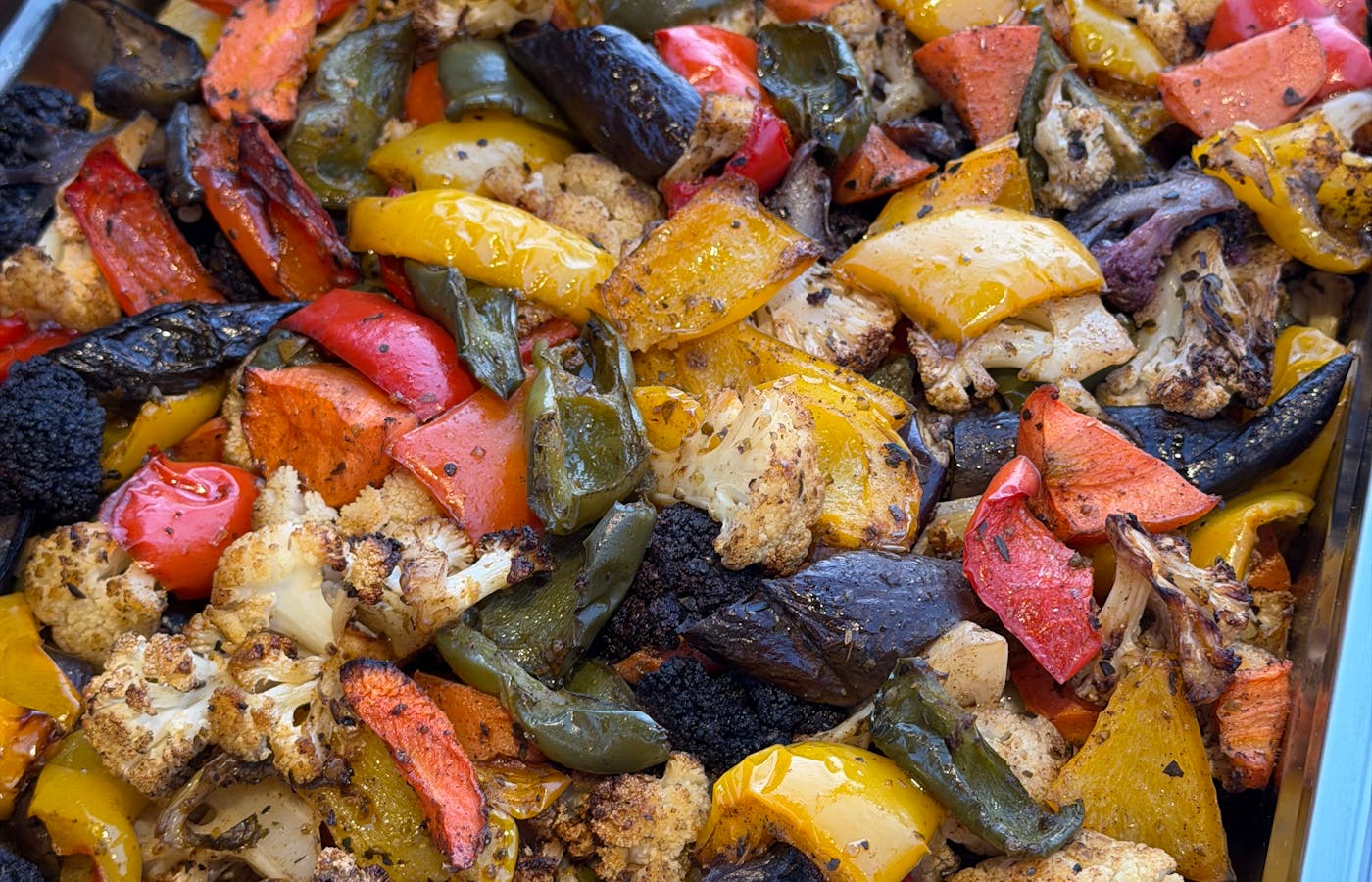
Air fryer vegetables sound simple until the first batch comes out half crisp, half pale, and oddly dry. The machine can make vegetables faster, but it still needs the same basic decisions as oven roasting: what to cut, how much oil to use, how crowded the basket is, and when the vegetables are actually done.
This guide to air fryer vegetables for beginners keeps the process practical. You do not need a long recipe list or a special seasoning blend. You need a few reliable habits that work across carrots, cauliflower, peppers, zucchini, potatoes, broccoli, and whatever else is sitting in the drawer.
The air fryer is best when vegetables have room for hot air to move. Once you understand that, most beginner mistakes become easier to fix.
Choose vegetables that cook well in moving hot air
Some vegetables are naturally easier in an air fryer than others. Firm vegetables such as potatoes, carrots, cauliflower, broccoli, Brussels sprouts, sweet potatoes, and green beans usually handle the heat well. They can brown at the edges while staying tender inside. Softer vegetables such as zucchini, tomatoes, and mushrooms can work too, but they release more moisture and may need a little more space.
Start with one or two vegetables at a time instead of mixing everything in the kitchen. A basket with carrots and cauliflower is easier to manage than a basket with carrots, zucchini, mushrooms, onions, broccoli, and potatoes all cut different sizes. When ingredients cook at different speeds, beginners often blame the air fryer even though the problem started on the cutting board.
If you want a mixed vegetable batch, pair ingredients with similar firmness or cut the denser vegetable smaller. Potatoes need more time than peppers. Carrots need more time than zucchini. That small adjustment makes the whole basket finish closer together.
Cut vegetables so they finish at the same time
Cut size matters more than exact temperature for many beginner batches. Large chunks may stay firm in the middle while thin pieces darken too quickly. Tiny pieces can dry out before they taste roasted. Aim for pieces that are similar enough to cook together, even if they are not perfectly identical.
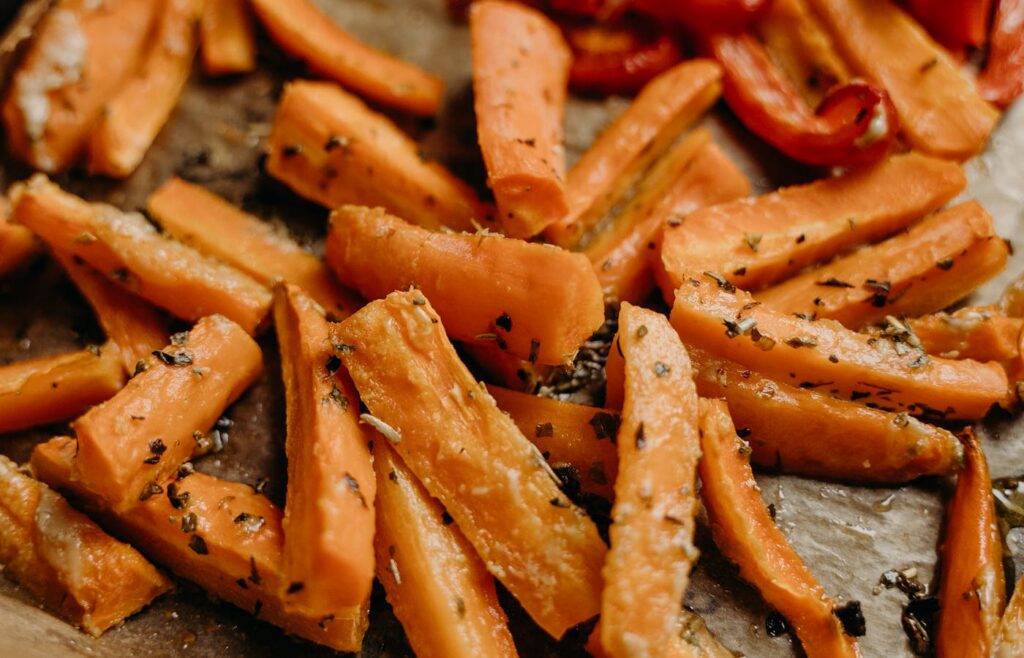
For carrots, sweet potatoes, and potatoes, wedges or thick sticks are easier than tiny cubes. For broccoli and cauliflower, use florets that are close in size and split very large pieces. For peppers and onions, wider strips hold up better than paper-thin slices. Zucchini should be cut thicker than you think because it softens fast.
- Cut dense vegetables smaller than soft vegetables when mixing them.
- Pat wet vegetables dry before adding oil and seasoning.
- Keep loose leaves and tiny crumbs out of the basket when possible.
- Use similar shapes for the same vegetable so browning is even.
- Cook watery vegetables in smaller batches so steam can escape.
When the pieces look like they belong in the same bite, they are usually easier to cook in the same basket.
Use enough oil to coat, not enough to soak
Air fryer vegetables need a little oil because dry surfaces can turn leathery before they brown. The oil helps seasoning stick, encourages color, and keeps edges from tasting dusty. Too much oil, however, can drip into the basket, smoke, or make vegetables feel heavy instead of crisp.
For most small batches, start with a light drizzle and toss well. The vegetables should look lightly glossy, not slick. If seasoning collects in the bottom of the bowl, toss again before adding more. It is easier to add a little oil next time than to rescue vegetables that are already greasy.
Season simply while you learn. Salt, pepper, garlic powder, paprika, Italian seasoning, or a little chili powder are enough for a first pass. Save sticky sauces, honey, and sugary glazes for the last few minutes or after cooking, because they can darken faster than the vegetables soften.
If you are cooking a very dry vegetable, such as carrots or sweet potatoes, a tiny splash of lemon juice or vinegar after cooking can make the flavor brighter. If the batch is watery, wait until the end before adding anything acidic or saucy. That keeps the air fryer focused on browning instead of steaming.
Leave space in the basket for browning
Crowding is the classic reason air fryer vegetables disappoint. If the basket is packed tight, vegetables steam against each other instead of roasting. The outside may soften, but the edges do not brown much. Beginners often respond by adding more time, which can make the outer pieces dry while the center pieces remain pale.
Use a single loose layer when you can. A little overlap is fine, especially with larger florets or wedges, but the basket should not look like a sealed pile. If you are cooking for more than one or two people, two smaller batches often taste better than one overloaded batch. The first batch can rest while the second cooks.
Basket shape matters too. A wide basket gives vegetables more surface area, while a narrow basket may need more shaking and smaller batches. If your first batch looks uneven, do not assume the vegetable is wrong. Make a note of how full the basket was, then reduce the amount next time before changing the temperature.
| Vegetable style | Beginner starting point | What to watch |
|---|---|---|
| Broccoli or cauliflower florets | 8 to 12 minutes | Brown tips before dry stems |
| Carrot or sweet potato sticks | 12 to 16 minutes | Tender centers and browned edges |
| Peppers and onions | 7 to 10 minutes | Soft strips with light char |
| Zucchini slices | 6 to 9 minutes | Soft centers without collapse |
These times are starting points, not promises. Air fryer size, basket shape, cut size, and vegetable moisture all change the result.
Shake, check, and finish by texture
Shaking the basket helps vegetables cook more evenly, but it should not be random. Check around the halfway point, shake or turn the pieces, then look for signs of progress. You want browning at the edges, steam escaping from the vegetables, and a texture that matches how you plan to serve them.
Use a fork for denser vegetables. Carrots, potatoes, and sweet potatoes should be tender enough to pierce without force. Broccoli and cauliflower should feel cooked but not limp. Peppers can be soft with a few browned spots. Zucchini should still hold its shape when lifted from the basket.
Here is a simple beginner routine:
- Preheat only if your air fryer model recommends it or if you want faster browning.
- Toss cut vegetables with a small amount of oil and dry seasoning.
- Spread them in a loose layer in the basket.
- Cook for the shorter end of the expected time range.
- Shake once, then check tenderness and browning.
- Add two or three minutes at a time until the texture is right.
This approach keeps you from overcooking a good batch just because a timer said it needed more minutes.
Make air fryer vegetables easier to serve
The easiest air fryer vegetables are the ones that have somewhere to go after cooking. They can become a side dish with rice, a filling for wraps, a topping for bowls, or a quick add-on for eggs, pasta, soup, or leftovers. Thinking about the meal before you cook helps you choose the cut and seasoning.
For dinner bowls, use vegetables that can sit for a few minutes without losing all their texture, such as carrots, cauliflower, peppers, onions, or sweet potatoes. For tacos or wraps, cut vegetables smaller and season more boldly. For a simple side, keep the pieces larger and finish with lemon juice, grated cheese, herbs, or a spoonful of yogurt sauce after cooking.
Leftovers can be useful, but they usually soften in the fridge. Reheat them briefly in the air fryer only until warm, not until they roast all over again. If they are already tender, they may be better folded into scrambled eggs, rice, pasta, or soup than reheated as a crisp side dish.
If a vegetable tastes flat from the air fryer, it often needs a finishing touch, not a complete recipe change.
Once you get comfortable with air fryer vegetables for beginners, the method becomes flexible. Keep the basket loose, cut similar pieces, season lightly, and check texture before the timer makes the decision for you. Those few habits are enough to turn a drawer of vegetables into something useful on busy nights.