How to Store Fresh Herbs in the Fridge
Fresh herbs are one of those small groceries that can make a simple meal taste finished. They also have an annoying habit of turning limp, dark, or slimy before you remember to use them. The difference is rarely luck. Most herb waste comes from too much moisture, too little moisture, crushed leaves, or storage that ignores the type of herb.
Learning how to store fresh herbs in the fridge starts with noticing what kind of herb you bought. Parsley and cilantro do not behave exactly like basil. Dill does not last like rosemary. Mint can look sturdy and still bruise quickly. A single storage method can help, but it should not be treated like a law for every bunch.
Sort herbs by tenderness before storing them
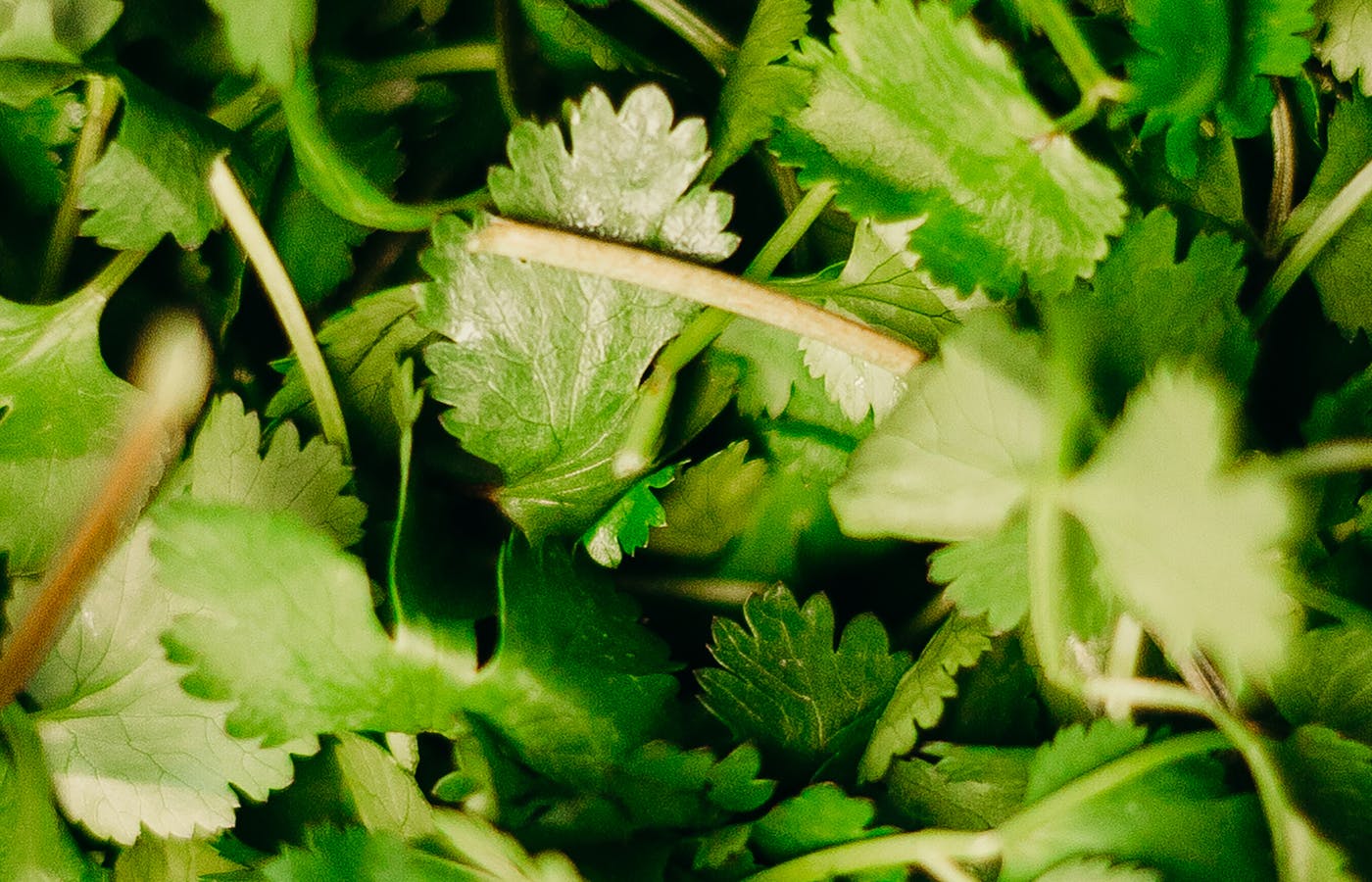
The first useful split is tender herbs versus sturdier herbs. Tender herbs have soft stems and delicate leaves. Cilantro, parsley, dill, mint, chives, tarragon, and basil fall into this group, though basil needs a little extra care. Sturdier herbs have firmer stems and smaller or tougher leaves, such as rosemary, thyme, sage, and oregano.
This matters because tender herbs often need either a jar method or a loose towel wrap to keep them from collapsing. Sturdy herbs usually prefer a drier wrap with enough airflow. If rosemary is stored like wet cilantro, it can get musty. If cilantro is stored like dry rosemary, it can wilt fast.
Sort the herbs as soon as you unpack groceries. Remove rubber bands, twist ties, and tight plastic that crush leaves. Shake off loose moisture and check for any dark or slimy pieces. One bad stem can spread moisture through the whole bunch, so a quick trim is worth the minute it takes.
I do this before putting groceries away because herbs are easy to forget once they disappear into the fridge. A small decision at the start usually saves several days of freshness.
Decide whether to wash herbs now or later
Washing herbs before storage can be helpful, but only if you dry them well. Wet leaves trapped in a bag or container are one of the fastest ways to create slimy spots. If you know you will not take time to dry the herbs properly, it is better to store them unwashed and rinse only what you need later.
For gritty herbs, especially cilantro or parsley with dirt near the stems, washing early may make sense. Swish the bunch in cold water, lift it out instead of pouring dirt back over it, and repeat if needed. Then dry the herbs with a salad spinner, clean towel, or plenty of air time on the counter.
The goal is not bone-dry leaves. The goal is no visible water pooling between leaves and stems. Herbs need a little humidity, but they do not need to sit in droplets. If a towel becomes soaked during drying, switch to a dry section before wrapping or placing the herbs in a jar.
When I am tired after shopping, I store herbs unwashed and make a note to rinse them before cooking. That is better than doing a rushed wash that leaves the whole bunch damp inside the fridge.
Use the jar method for parsley and cilantro
The jar method works well for many leafy, soft-stemmed herbs. Trim the stem ends, place the bunch upright in a glass or jar with a small amount of water, and cover the leaves loosely with a produce bag or reusable bag. The stems drink a little moisture while the loose cover keeps the leaves from drying out in cold air.
Do not fill the jar too high. Only the stem ends need water. Leaves sitting below the waterline will break down quickly, and crowded stems can smell stale. If the bunch is large, split it into two jars rather than forcing everything into one tight glass.
Change the water when it looks cloudy, usually every couple of days. While you are there, remove yellowing leaves and trim any soft stem ends. This small reset keeps the jar from turning into a forgotten science project at the back of the fridge.
For cilantro and parsley, this method often keeps the herbs useful much longer than leaving them in the store bag. It also keeps them visible, which makes you more likely to add them to eggs, rice bowls, soups, salads, and leftovers.
Wrap delicate herbs when jars take too much space
Not every fridge has room for jars of herbs. A towel wrap can work well when shelves are crowded or when the herb bunch is small. Lay the herbs on a barely damp paper towel or clean kitchen towel, roll them loosely, and place the roll in a bag or container that is not sealed too tightly.
The wrap should cushion the leaves and manage moisture, not squeeze the herbs flat. If the towel is dripping wet, it will cause problems. If it is completely dry and the fridge air is harsh, tender leaves may wilt. Aim for lightly damp around tender herbs and closer to dry around sturdier herbs.
This method is especially useful for dill, chives, tarragon, and smaller bunches of parsley or cilantro. It also helps when the herbs are already trimmed or partly used. Keep the roll near the front of the fridge so it does not get buried under heavier containers.
Use a shallow container if your fridge crushes bags easily. Herbs that are technically stored correctly can still bruise if a carton, jar, or leftovers container presses into them for two days.
Treat basil as the fridge exception
Basil is the herb that breaks the fridge rule most often. Cold temperatures can make basil leaves darken, especially when the leaves are wet or pressed against cold plastic. If your kitchen is not too hot, basil often does better at room temperature in a glass with the stems in water, loosely covered, and kept away from direct sun.
If you must refrigerate basil, protect it from the coldest parts of the fridge. Keep it loosely wrapped, dry on the leaves, and away from the back wall where freezing spots can happen. Use it sooner than parsley or cilantro, because basil rarely forgives long storage.
Check the leaves before storing. Bruised basil turns dark quickly, so remove damaged leaves and use them first if they still smell fresh. A few torn leaves can go into sauce, eggs, sandwiches, or a quick dressing instead of being saved for garnish.
Basil is better treated as a short-term ingredient than a long-term fridge project. Buy smaller bunches when possible, and plan one meal that uses most of it within a day or two.
Keep sturdy herbs drier and loosely wrapped
Rosemary, thyme, sage, and oregano usually need less moisture than tender herbs. They still should not dry out completely, but they do not need stems sitting in water. A loose wrap in a dry or barely damp towel usually keeps them in better shape than a wet container.
Place sturdy herbs in a bag or container with a little airflow. If condensation builds up inside, open the bag, change the towel, or move the herbs to a drier spot. Condensation is a warning sign, especially for small-leaved herbs where moisture can hide between stems.
These herbs are also easier to freeze or dry if you realize you will not use them soon. Rosemary and thyme can be stripped from stems after washing and drying, then frozen in small portions. That is not the same as fresh garnish, but it is useful for soups, roasted vegetables, beans, and sauces.
Use sturdy herbs earlier if the stems turn black, leaves feel sticky, or the smell changes from fresh to musty. Freshness is not only about appearance. Aroma tells you a lot about whether the herb still deserves space in dinner.
Place herbs where you will actually see them
Storage fails when herbs are technically protected but practically invisible. A jar behind milk, a wrapped bunch under leftovers, or a container in the deepest drawer can survive for a while and still be forgotten. Visibility is part of freshness because it changes whether you use the herbs before they decline.
Choose one fridge zone for herbs. A front shelf, door bin that is not too warm, or a clear produce container can work. Avoid the coldest back corner, especially for delicate leaves. Also avoid placing herbs under heavy items or next to produce that releases a lot of moisture into a closed drawer.
A quick herb zone can include:
- One jar for parsley or cilantro with trimmed stems in water.
- One loose towel wrap for dill, chives, or mint.
- One small container for sturdy herbs like rosemary or thyme.
- A front-row spot for herbs that need to be used first.
This does not need to look perfect. It needs to make the herbs easy to notice when you open the fridge and easy to grab while cooking. Visibility also reminds you which bunch should be used first.
Reset herbs every few days before they fail
Fresh herbs do not need a long maintenance routine, but they do need small checks. Every two or three days, look for yellowing leaves, cloudy jar water, wet towels, condensation, and crushed stems. Fixing those problems early is much easier than rescuing a slimy bunch later.
Use this simple fridge reset:
- Open each herb bag, jar, or container.
- Remove wilted, yellow, or slimy leaves.
- Change jar water if it looks cloudy.
- Swap any wet towel for a fresh one.
- Move older herbs to the front of the fridge.
- Plan one meal, sauce, garnish, or freezer portion for herbs that are fading.
That last step keeps the reset from becoming only inspection. If cilantro is fading, chop it into rice, soup, eggs, or a quick sauce. If parsley is still fresh but abundant, use a larger handful in salad or grain bowls. If rosemary is lingering, freeze it for cooked dishes.
Fresh herbs last longer when storage matches the herb, moisture is controlled, and the bunch stays visible. Sort them first, dry them well, choose jars or wraps based on texture, and do a small reset before the leaves collapse. That turns herbs from a fragile grocery gamble into something you can actually use all week.