Meal Prep Ideas with Chicken and Rice
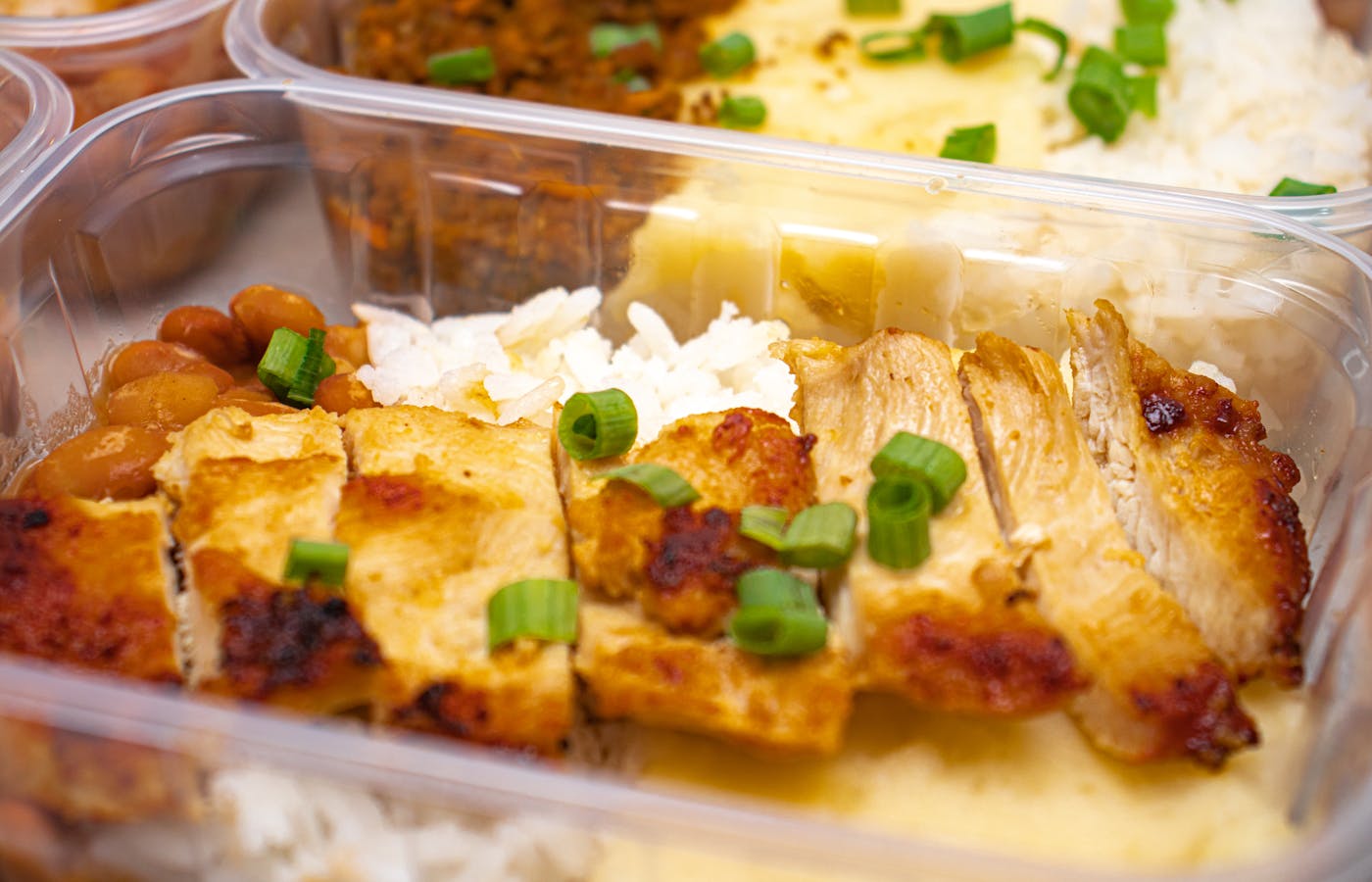
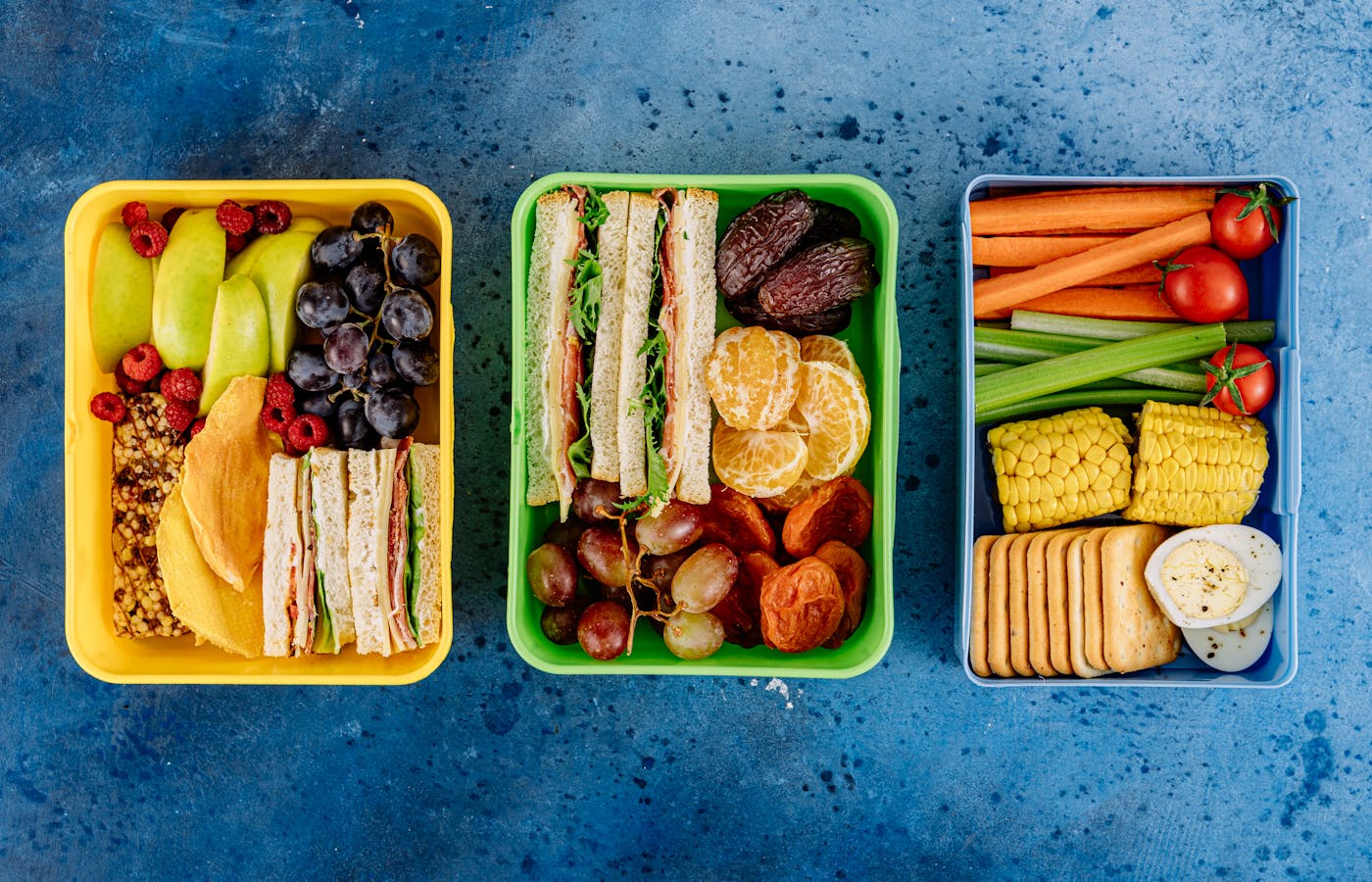
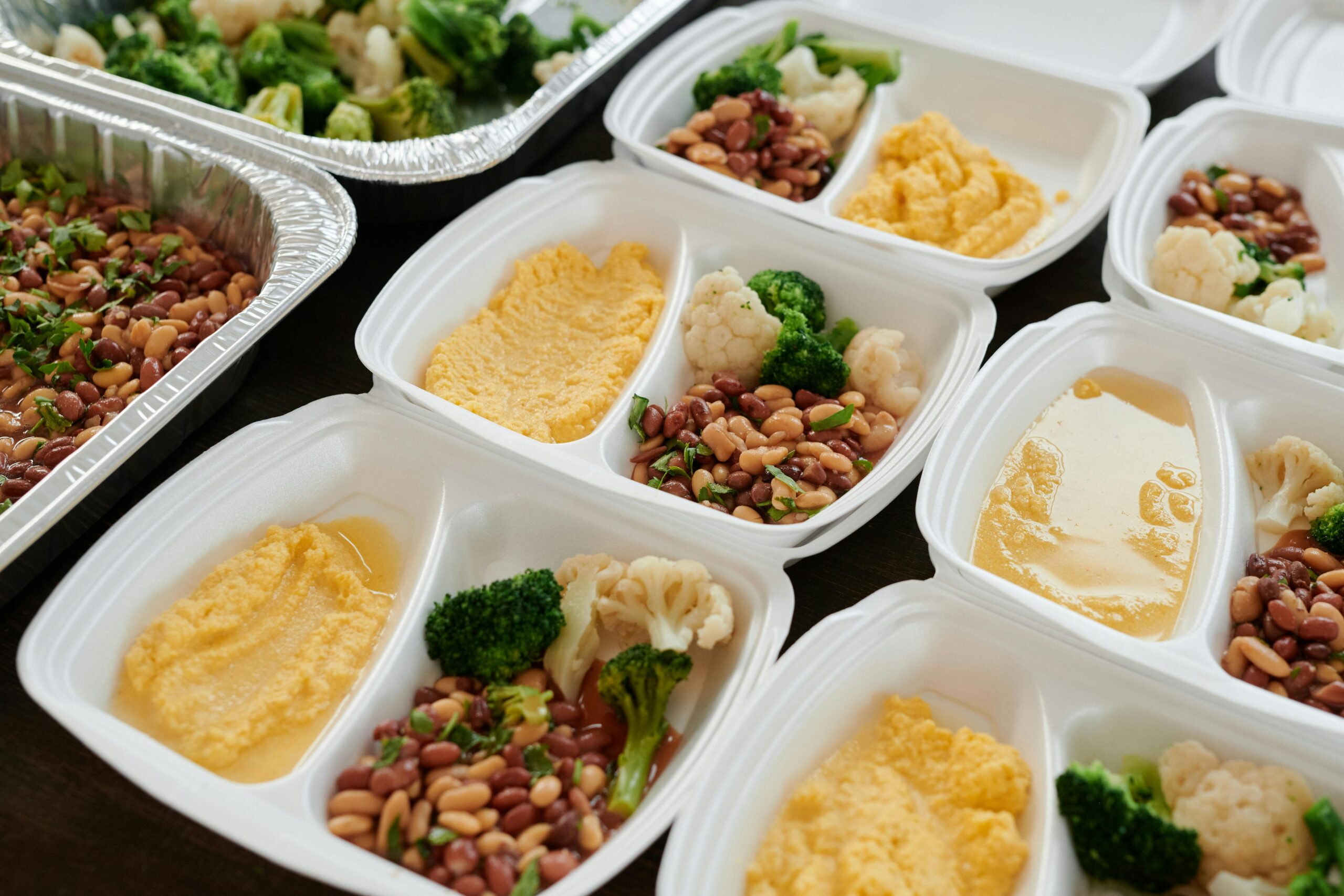
A row of lunch containers can look organized on Sunday and feel boring by Wednesday. If every container tastes like plain chicken breast, plain rice, and steamed vegetables, the problem is not meal prep itself. The problem is building every box the same way.
Good meal prep ideas with chicken and rice start with a repeatable base, then change the flavor, texture, vegetable, and sauce. That keeps the cooking session manageable without making lunch feel like punishment by Wednesday. You do not need ten recipes. You need two or three reliable combinations that share ingredients.
The useful goal is not perfect containers. It is food you will actually want to reheat and eat.
Start with the rice style before choosing flavors
Rice is the base, so it sets the tone for the whole meal prep. White rice works well when you want a neutral bowl for saucy chicken. Brown rice brings more chew and can feel better with roasted vegetables. Jasmine rice fits sweeter sauces, while plain long-grain rice works with almost anything. The best choice is the one you will eat without feeling stuck.
Cook the rice slightly firm rather than mushy if it will be reheated later. Rice that is already soft can turn heavy after a few days in containers. Let it steam off before portioning so the lid does not trap too much moisture. A little separation in the grains makes reheated bowls feel fresher.
It also helps to decide whether rice is the main base or just one part of the bowl. If the chicken will have a rich sauce, a little more rice can make sense. If the vegetables are the main volume, a smaller rice portion may feel better.
Cook chicken so it stays useful all week
Chicken for meal prep should be cooked through, seasoned clearly, and cut in a way that reheats evenly. Sliced chicken breast looks neat, but diced chicken is often easier to mix with rice, vegetables, and sauce. Shredded chicken works well when the sauce is the main flavor. Chicken thighs can be more forgiving if you dislike dry leftovers.
Keep one part of the seasoning flexible. Salt, pepper, garlic, paprika, lemon, soy sauce, chili powder, or herb blends can all work, but going too specific on the first cook can trap every container in the same flavor. I like making the chicken savory but not overloaded, then changing the sauce in each serving.
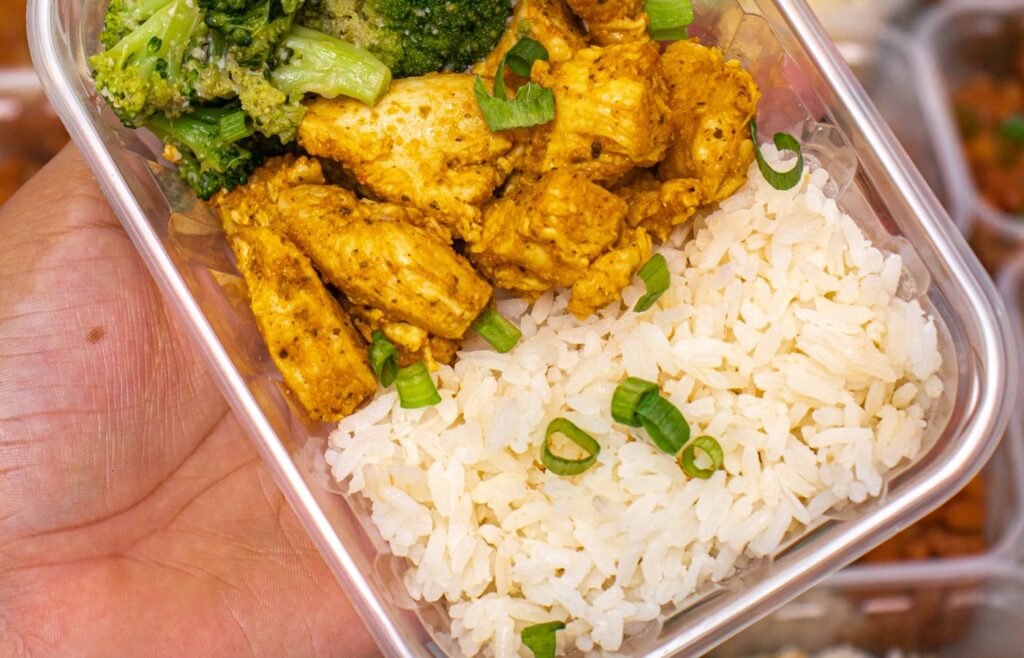
- Slice chicken when you want neat portions over rice.
- Dice chicken when you want bowl-style meals that mix easily.
- Shred chicken when sauce, salsa, or broth will carry the flavor.
- Keep extra sauce separate if it would make the rice soggy.
Pick vegetables by reheating behavior
Vegetables matter because they decide whether the container feels balanced or heavy. Broccoli, carrots, green beans, peas, zucchini, cabbage, peppers, and corn can all work with chicken and rice, but they do not reheat the same way. Some stay firm. Some soften quickly. Some release water into the rice.
For beginner meal prep, choose vegetables that can handle a few days in the fridge. Broccoli, carrots, peas, corn, and green beans are usually easier than delicate greens. If you want fresh crunch, add cucumber, lettuce, herbs, or cabbage after reheating instead of storing them in the hot-food container. The cooking routine works better when a practical meal plan for beginners keeps the next meal useful without adding more steps.
Frozen vegetables can be useful because they reduce prep time. The trick is to avoid adding them wet and unseasoned. Warm them, drain extra moisture, and season lightly before they go into the containers.
Create flavor lanes instead of separate recipes
A flavor lane is a simple direction for the whole container. It keeps meal prep flexible without requiring a new recipe every time. For example, the same rice and chicken can become a lemon herb bowl, a teriyaki-style bowl, a taco-inspired bowl, or a garlic butter bowl depending on the sauce, garnish, and vegetable.
This is where chicken and rice stop feeling repetitive. One cooking session can produce several lunches if the base stays simple and the finish changes. Keep the strongest flavors in sauces, toppings, or small add-ins so you can adjust each container instead of committing the whole batch to one taste.
- Lemon herb: chicken, rice, broccoli, parsley, lemon, and a light yogurt or olive oil sauce.
- Teriyaki-style: chicken, rice, carrots, broccoli, green onion, and a sweet-savory sauce.
- Taco-inspired: chicken, rice, corn, peppers, salsa, lime, and a little cheese after reheating.
- Garlic butter: chicken, rice, green beans, garlic, herbs, and a small buttery finish.
Portion containers around real appetite
Meal prep fails when portions are copied from someone else’s routine. A container that is too small turns into extra snacking. A container that is too large feels heavy and may be wasted. Start with portions you already eat at a normal meal, then adjust after the first week.
A simple container can use one rice portion, one chicken portion, and one or two vegetable portions. If you need more staying power, add beans, avocado after reheating, extra vegetables, or a sauce with healthy fat. If the meal feels too dense, reduce the rice slightly and increase vegetables.
Do not pack every container identically if your week is not identical. A lighter lunch may make sense before a dinner out. A larger container may help on a long workday. Meal prep should support the week you actually have.
Keep sauces and toppings from ruining texture
Sauce can make chicken and rice meal prep taste fresh, but it can also make rice gummy if everything sits together for days. Thin sauces, salsa, lemon juice, and watery vegetables can soak into the rice more than expected. This is not always bad, but it should be intentional.
Store some sauces separately when possible. Add crunchy toppings after reheating. Keep herbs, fresh lime, chopped greens, and creamy sauces in small containers if they do not hold well in the microwave. The small extra step can make a repeated meal feel more like something cooked today.
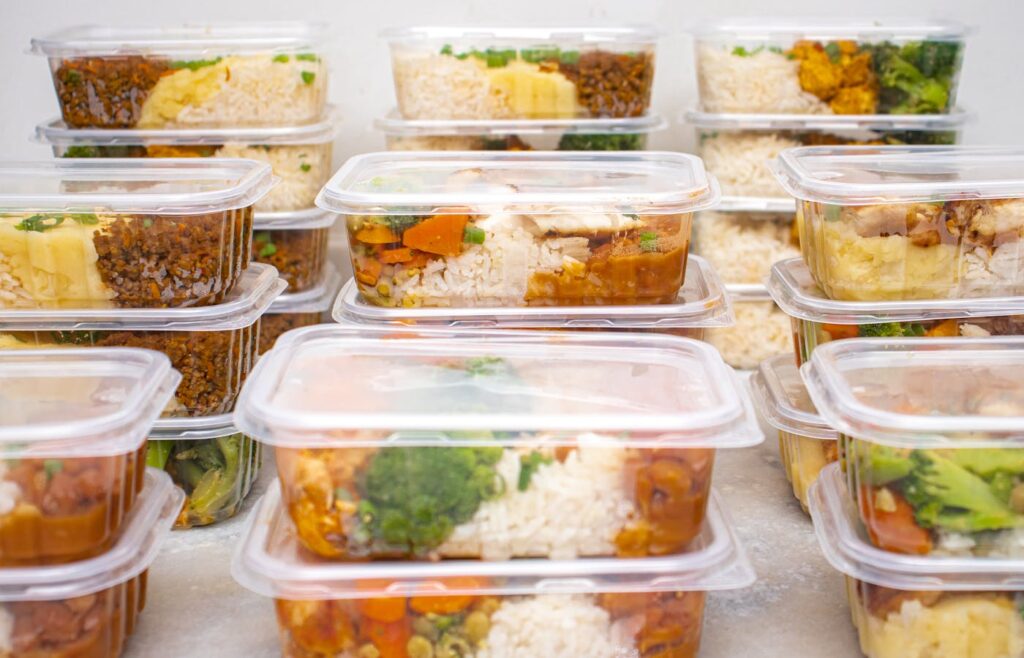
For food safety, plan refrigerated cooked chicken and rice meals for a short window, usually about three to four days, and freeze extra portions if you cooked more than you can eat in that time.
Run one prep session without overloading the kitchen
The easiest chicken and rice meal prep session has a clear order. Start the rice first, because it can cook while you season and cook the chicken. Prepare vegetables while the chicken rests. Portion once the hot foods have had a little time to stop steaming heavily, then cool and store the containers properly.
Use this simple prep flow:
- Start rice and set out containers before cooking the chicken.
- Season and cook chicken in the format you want: sliced, diced, or shredded.
- Cook or warm vegetables and drain extra moisture.
- Portion rice first, then chicken, then vegetables.
- Add dry toppings now and store wet sauces separately when needed.
- Label containers with the cooking date before they go into the fridge or freezer.
Change one piece next week, not everything
The best meal prep ideas with chicken and rice are easy to repeat with small changes. Keep the same rice and chicken method next week, then change the vegetable. Or keep the same vegetables and change the sauce. That kind of repetition saves energy while still giving you variety.
If one batch felt dry, adjust sauce or chicken cut. If the rice felt heavy, try a firmer cook or smaller portion. If vegetables got watery, pick sturdier ones or store fresh toppings separately. Small fixes teach you more than abandoning the whole system.
This kind of meal prep works because it gives you a steady base. Build that base with rice that reheats well, chicken that stays flexible, vegetables that hold up, sauces that do not ruin texture, and portions that match real appetite. Then let each week change one detail so the containers stay useful instead of becoming background food you avoid.