Make-Ahead Breakfast Sandwiches for Busy Weeks
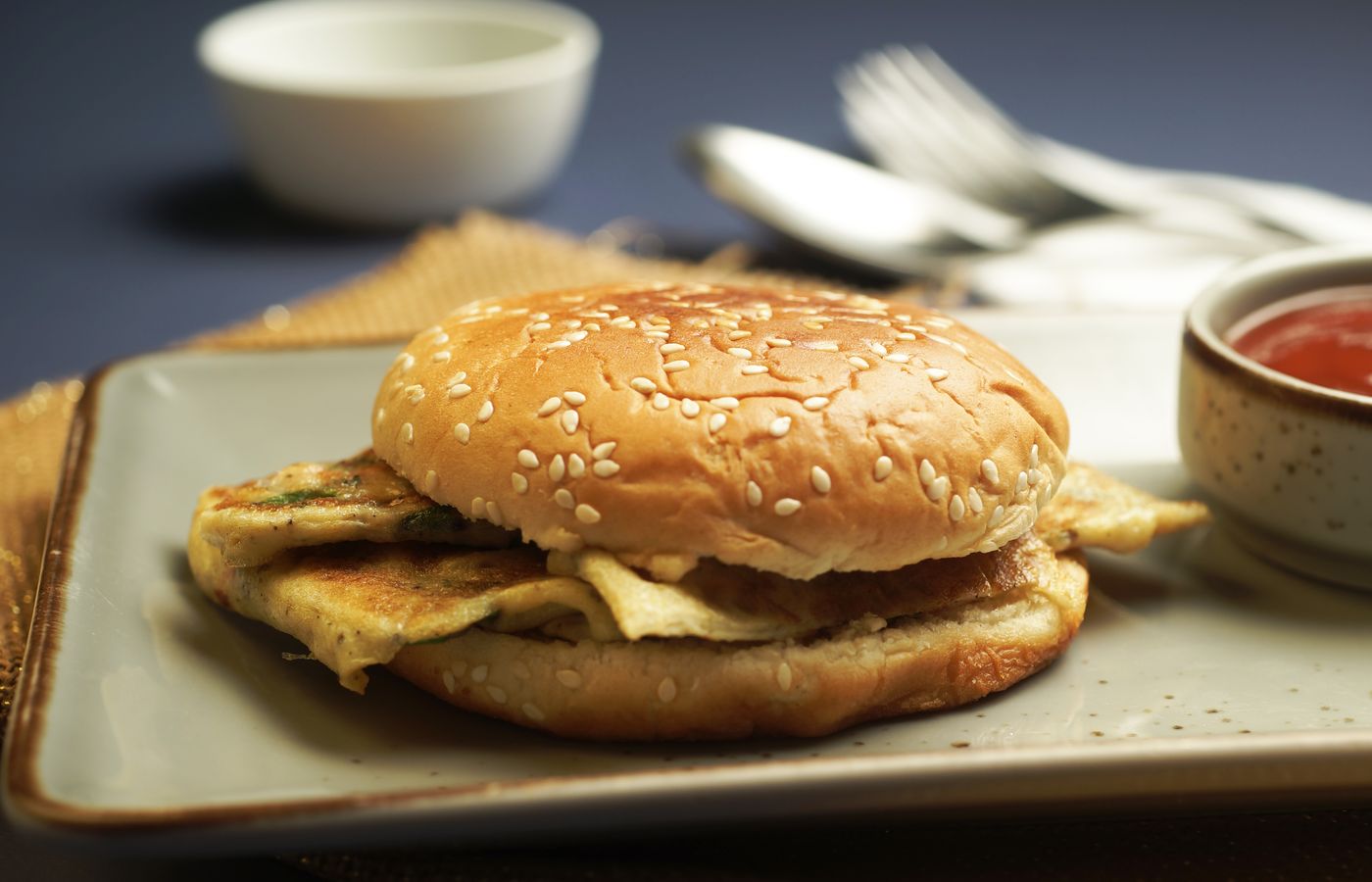
Busy weeks have a way of turning breakfast into whatever is closest to the coffee. A make-ahead plan helps only if the food still tastes like breakfast after the fridge, freezer, wrapper, and microwave have all had their say.
Make ahead breakfast sandwiches work because they are familiar, portable, and easy to repeat. The trick is not making a fancy sandwich. The trick is building one that reheats without becoming wet in the middle, hard at the edges, or messy enough to regret.
A good breakfast sandwich is really a texture plan. Cook the filling, cool it before wrapping, protect the bread, and reheat it gently enough that the egg and cheese come back together.
Pick bread that can handle breakfast sandwich storage
Soft bread can work for a fresh sandwich, but it is not always the strongest choice for a make-ahead version. English muffins, bagels, sturdy rolls, biscuits, and thicker sandwich bread usually hold up better because they have structure. Thin bread can turn damp quickly once egg, cheese, and steam sit inside a wrapper.
Toast the bread lightly before assembling if you want extra protection. It does not need to become crunchy. A little surface firmness helps the bread stand up to egg moisture and reheating. If the bread is already dense, skip heavy toasting so the finished sandwich does not become tough.
Think about how the sandwich will be eaten. A wide bagel may be satisfying at home but awkward in a car. A compact English muffin or small roll is easier to wrap, freeze, and hold. The bread should fit the morning, not only the recipe idea.
For the first batch, use one bread type across all the sandwiches. That makes reheating easier to judge because every sandwich warms at about the same pace. After one successful batch, change the bread if you want more variety.
Cook the eggs in shapes that fit the sandwich
Eggs are easier to manage when they match the bread size. A sheet of baked eggs can be cut into squares. Scrambled eggs can be cooked a little firmer and folded. Individual egg rounds can be cooked in a ring or muffin tin. The shape matters because loose egg pieces fall out and make the sandwich feel less prepared.
Do not overcook the eggs just because they are going into storage. They will be reheated later, so a dry egg at the beginning usually becomes drier by the time breakfast happens. Cook until set, then let the eggs cool before they touch the bread. Steam trapped inside a hot sandwich is one of the fastest paths to soggy bread.
I prefer baked egg squares for a batch because they are even, easy to portion, and less fussy than making one small omelet at a time. Add spinach, peppers, or cooked meat only if the pieces are chopped small and not watery.
Use cheese, sauce, and vegetables with a light hand
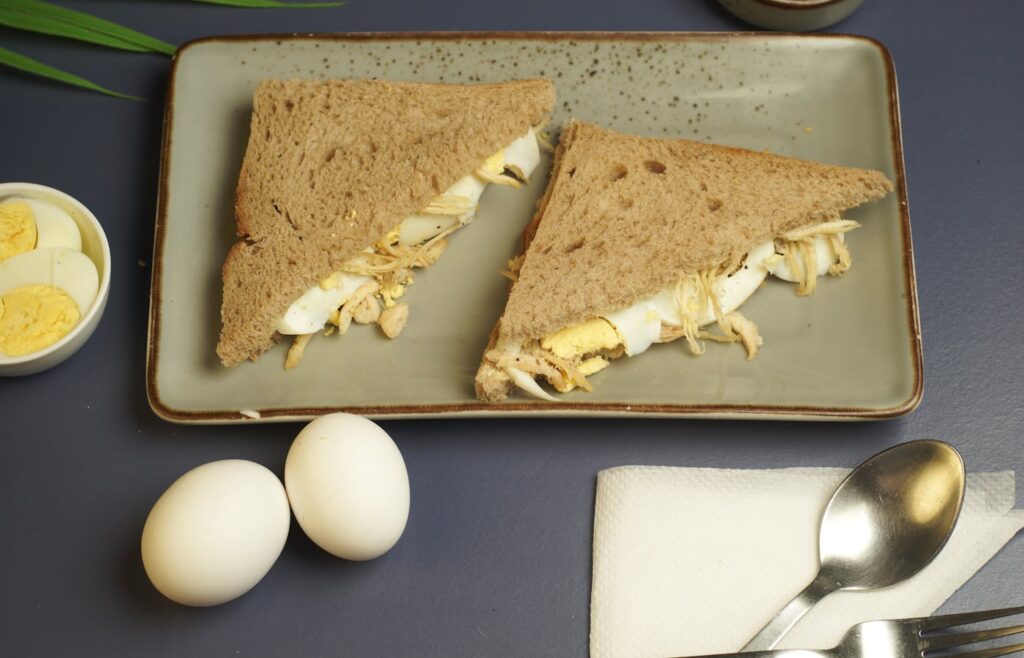
Cheese can help the sandwich feel complete, and it can also act like a small barrier between bread and egg. One slice is usually enough. Too much cheese can melt out during reheating or make the sandwich heavy before the morning has even started.
Sauce needs more caution. A little butter, cream cheese, pesto, or hot sauce can be useful, but wet spreads should often be added after reheating. Tomatoes, watery greens, and juicy vegetables can taste great in a fresh sandwich and disappointing after freezing. If you want vegetables, use cooked peppers, spinach squeezed dry, roasted mushrooms, or a thin layer of greens added fresh.
- Put cheese between egg and bread when the filling is moist.
- Keep wet sauce separate until serving when possible.
- Cool cooked vegetables before assembling.
- Avoid thick tomato slices in freezer sandwiches.
- Use cooked bacon, sausage, or ham sparingly so the sandwich still reheats evenly.
The sandwich should feel finished, but not overloaded. Heavy fillings make wrapping harder and reheating less predictable.
Cool every cooked part before wrapping
Cooling is the step that makes the difference between a useful freezer breakfast and a damp one. Hot eggs, meat, or vegetables release steam. If that steam is sealed inside foil, parchment, or plastic wrap, it turns into moisture on the bread. Let cooked pieces sit until they are no longer giving off heat before assembling.
Use a clean rack or plate so air can move around the egg pieces. If you baked one large sheet of eggs, cut it after it cools enough to hold its shape. If you cooked sausage or bacon, drain it well. If you used vegetables, blot away extra moisture. None of this needs to be precious, but it does need to happen before wrapping.
Assemble the sandwiches in a simple order: bread, cheese, egg, cooked protein if using it, then bread. Wrap each one individually. Parchment helps keep the surface tidy, while foil or a freezer bag protects against drying. Label the bag with the date so breakfast does not become a freezer mystery.
- Cook the eggs and any meat or vegetables.
- Let every hot part cool until steam stops rising.
- Build sandwiches with cheese near the moist filling.
- Wrap each sandwich tightly but gently.
- Freeze flat, then store together in a labeled bag.
Reheat make-ahead breakfast sandwiches slowly
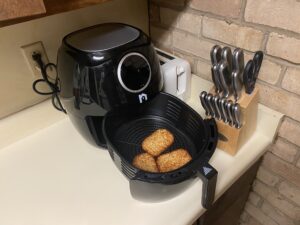
A make-ahead breakfast sandwich can go from cold center to tough bread if it is blasted at full power. The gentler method is to thaw overnight in the fridge, then reheat in a microwave at partial power and finish in a toaster oven, skillet, or air fryer if you want the bread firmer. That extra finish is optional, but it improves texture.
If reheating from frozen, unwrap any foil before microwaving and use short intervals. Let the sandwich rest for a minute so heat can move through the center. If the bread feels wet, open the sandwich briefly after microwaving and let steam escape before crisping it in a dry pan or toaster oven.
The freezer saves the morning only when the reheating plan is as simple as the sandwich.
Write the reheating method on a note near the freezer if other people will use the sandwiches. A good breakfast system should not depend on one person remembering every detail while everyone else guesses.
Build variety from the same basic formula
Once the method works, variety can stay small. Change the cheese, bread, seasoning, or cooked vegetable without rebuilding the whole routine. Egg and cheddar on an English muffin, egg and spinach on a roll, egg and pepper jack on a bagel, or egg and roasted peppers on thick toast can all use the same storage method.
Keep two versions at most in the freezer if your household gets bored. More than that can create decision fatigue and forgotten bags. One mild option and one slightly more flavorful option usually cover the week without turning breakfast prep into a production.
- Use English muffins for compact weekday sandwiches.
- Choose bagels when you want a larger breakfast.
- Add cooked peppers or spinach for a vegetable version.
- Keep hot sauce separate if spice preferences vary.
- Make fewer sandwiches the first time so you can test reheating.
Make-ahead breakfast sandwiches are worth repeating when they solve the actual morning problem. Choose sturdy bread, shape the eggs neatly, cool the filling, wrap each sandwich well, and reheat with enough patience to keep the texture pleasant. That is enough to make breakfast feel handled before the day starts asking for more.