Cheap Chicken Recipes for Busy Weeknights
Chicken can be one of the easiest proteins to stretch, but it can also drain the grocery budget when every dinner starts with a full package, a long ingredient list, and no plan for leftovers. Busy nights need a calmer approach.
Cheap chicken recipes for busy weeknights work better when the chicken is treated as the anchor, not the whole meal. Rice, pasta, potatoes, beans, frozen vegetables, broth, eggs, tortillas, and simple sauces can turn a modest amount of chicken into a dinner that still feels complete.
The goal is not to make chicken taste expensive. The goal is to make a simple dinner feel planned, filling, and repeatable when time and budget are both tight.
Choose the chicken cut around price and timing
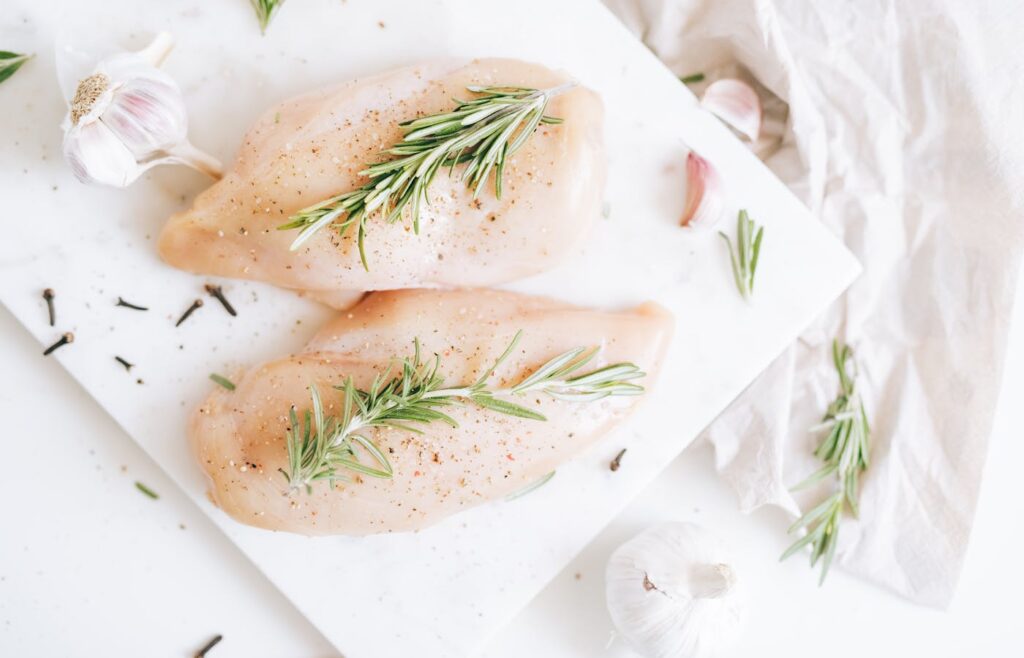
The cheapest chicken cut is not always the easiest cut for a weeknight. Bone-in thighs may cost less per pound, but they need more cooking time. Boneless thighs cost more, yet they stay juicy and cook quickly. Chicken breast is familiar and lean, but it can dry out when rushed.
Start by matching the cut to the night. If dinner has to be on the table quickly, thin pieces, diced chicken, or leftovers from a larger cook are easier than thick whole pieces. If you have more time earlier in the week, cook bone-in pieces once and use the meat across several meals.
Price also changes by store and sale cycle. A family pack can be useful if you divide it before freezing. One large tray should not become one large dinner by accident. Portion it into meal-sized bags so future weeknights begin with a realistic amount of chicken.
When I am watching the budget closely, I would rather buy one useful cut and plan three meals around it than buy several small packages with no purpose. The savings often come from using every piece well.
Stretch chicken with a filling base
Chicken feels more affordable when it is paired with a base that carries flavor and volume. Rice, noodles, potatoes, tortillas, beans, couscous, and pasta all make a smaller amount of chicken feel like dinner. The base should match the sauce and the time you have.
A cup or two of shredded chicken can fill quesadillas, top rice bowls, mix into fried rice, or turn leftover pasta into a skillet meal. Diced chicken can be stretched with beans and salsa for burrito bowls, or with potatoes and onions for a simple hash.
This is where many weeknight meals become cheaper without feeling thin. The chicken gives flavor and protein, while the base makes the plate satisfying. If the meal still feels light, add frozen vegetables, cabbage, carrots, canned corn, or a fried egg instead of opening another pack of meat.
- Rice works with soy sauce, salsa, curry powder, lemon, or broth.
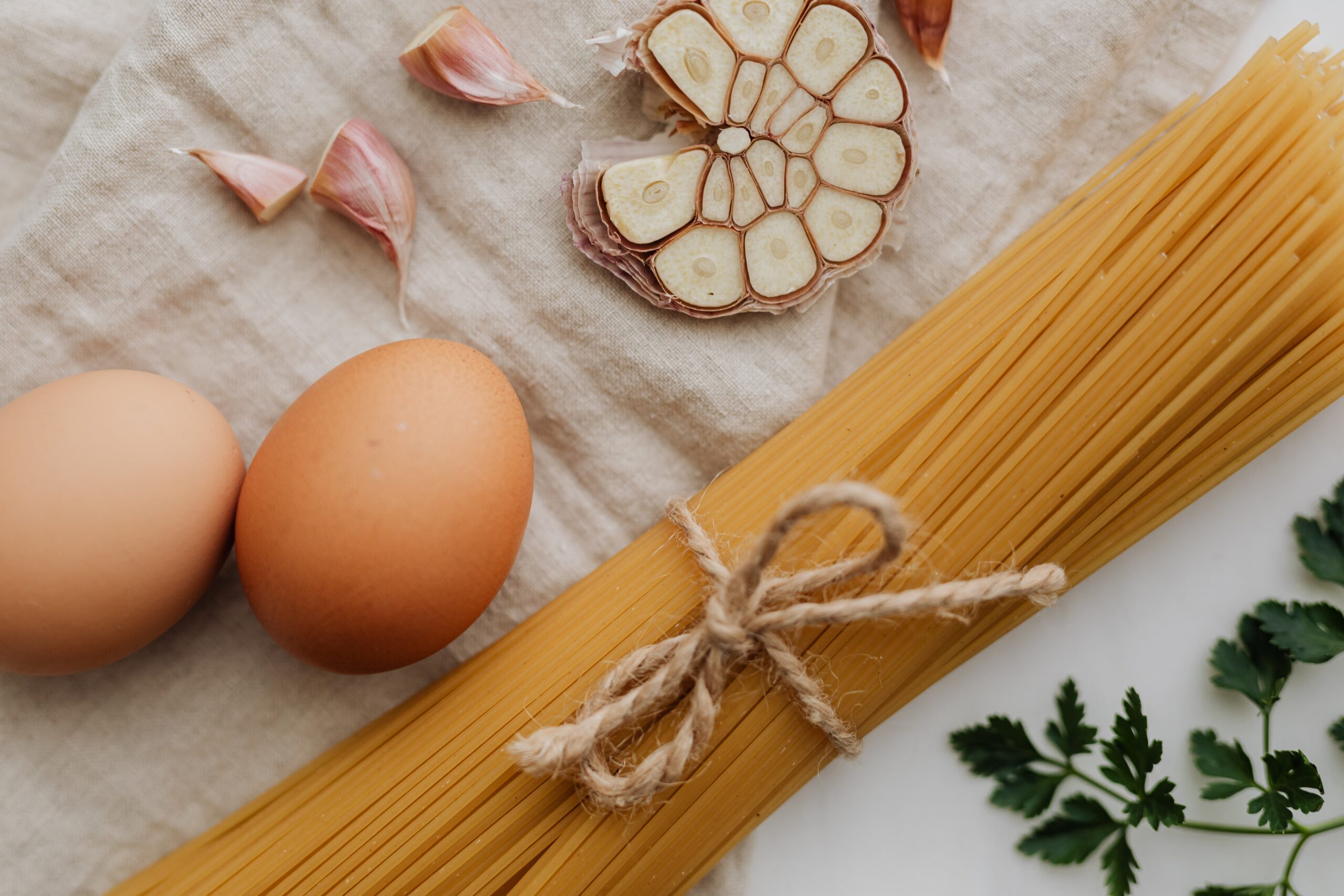
- Pasta works with chicken, garlic, vegetables, and a small amount of cheese.
- Potatoes make chicken feel hearty without many extra ingredients.
- Tortillas turn small amounts of chicken into tacos, wraps, or quesadillas.
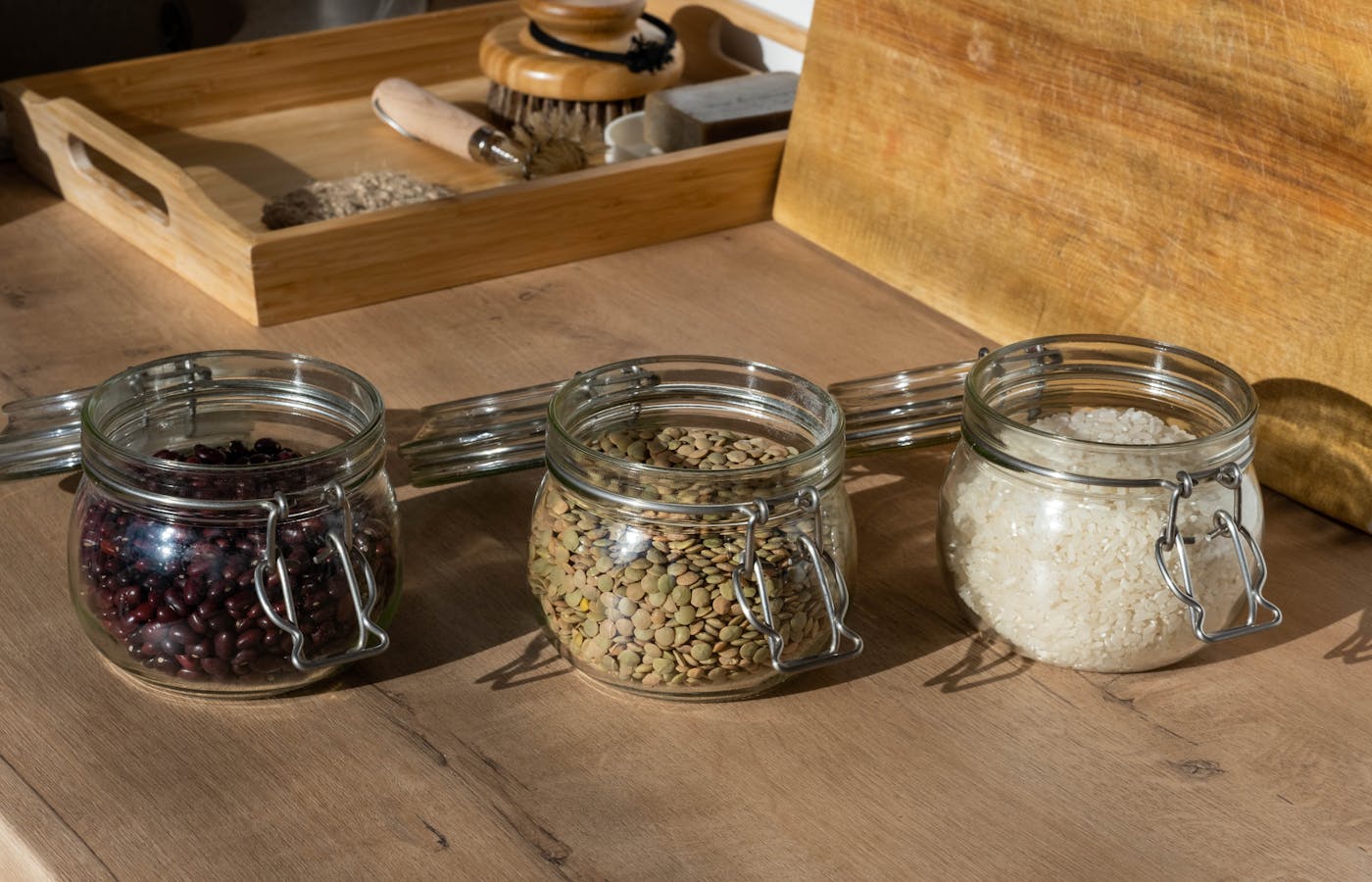
- Beans add protein and make saucy chicken meals more filling.
Keep the flavor plan short
A long seasoning list can make cheap chicken recipes harder than they need to be. On a busy night, choose one clear flavor direction and let pantry basics do the work. Garlic and lemon, salsa and cumin, soy sauce and ginger, broth and herbs, or tomato sauce and Italian seasoning can each carry a meal.
The flavor plan should also fit the side. Lemon garlic chicken works well with rice, potatoes, salad, or pasta. Salsa chicken fits tortillas, beans, rice, and eggs. Soy-style chicken works with rice, noodles, frozen vegetables, or cabbage. When the flavor lane is clear, the meal becomes easier to finish.
Do not ask one weeknight chicken dinner to use every seasoning in the cabinet. A simple direction makes it easier to taste and adjust. Salt, acid, heat, and a little fat often matter more than adding another jar.
If the chicken tastes flat, add a small splash of vinegar, lemon juice, pickle brine, hot sauce, or broth before adding more salt. If it tastes dry, a spoonful of sauce or pan liquid can rescue the plate faster than another seasoning blend.
Turn one pan of chicken into several meals
Cooking extra chicken can save money when the leftovers have jobs. The problem is not leftover chicken itself; the problem is cooking extra chicken and then expecting tomorrow’s dinner to feel exciting with no change in texture or flavor.
Plan the second use before you cook the first meal. Plain seasoned chicken can become bowls, wraps, soup, pasta, chicken salad, fried rice, or loaded potatoes. Heavily sauced chicken may still be useful, but it has fewer directions. A basic first cook gives you more options later. The weeknight choice also connects to cheap healthy meals with simple ingredients, where a short ingredient list still has to feel like a complete meal.
For example, cook diced chicken with salt, pepper, garlic, and a little oil. Serve part with rice and vegetables tonight. Save part for quesadillas tomorrow. Add the last portion to soup, pasta, or a potato hash. The same chicken does not feel repeated because the base and sauce change.
Leftovers are cheaper when they already have a next meal assigned.
Store cooked chicken in shallow containers so it cools quickly. Labeling is helpful if several containers look similar. A small note like “tacos” or “pasta” can protect the ingredient from being forgotten until it no longer feels appetizing. The cooking routine works better when a rice-and-beans budget meal can turn cooked chicken into another practical dinner.
Use frozen vegetables and pantry sauces wisely
Frozen vegetables are useful because they are already washed, cut, and waiting. They also prevent the budget leak that happens when fresh vegetables wilt before you cook them. For chicken dinners, peas, broccoli, spinach, peppers, corn, green beans, and mixed vegetables are especially flexible.
Add frozen vegetables at the right time. Small peas can go in near the end. Broccoli and green beans may need a few minutes longer. Frozen spinach should be squeezed or cooked down so it does not water out the pan. The point is to help the chicken, not turn the skillet soupy.
Pantry sauces can make a budget meal taste finished. Salsa, barbecue sauce, marinara, curry paste, mustard, broth, hot sauce, soy sauce, and canned tomatoes all work with chicken if you keep the rest of the meal simple.
- Salsa plus chicken works for rice bowls, tacos, eggs, or potatoes.
- Marinara plus chicken works for pasta, sandwiches, or baked potatoes.
- Broth plus chicken works for soup, noodles, rice, or gravy-style meals.
- Soy sauce plus chicken works for rice, cabbage, noodles, or frozen vegetables.
- Mustard plus chicken works with potatoes, carrots, cabbage, or simple salads.
Cook chicken safely without drying it out
Budget cooking should still be careful cooking. Chicken needs to be cooked through, and the most reliable way to know is with a food thermometer. Guessing by color alone can be misleading, especially with thick pieces, crowded pans, or uneven heat.
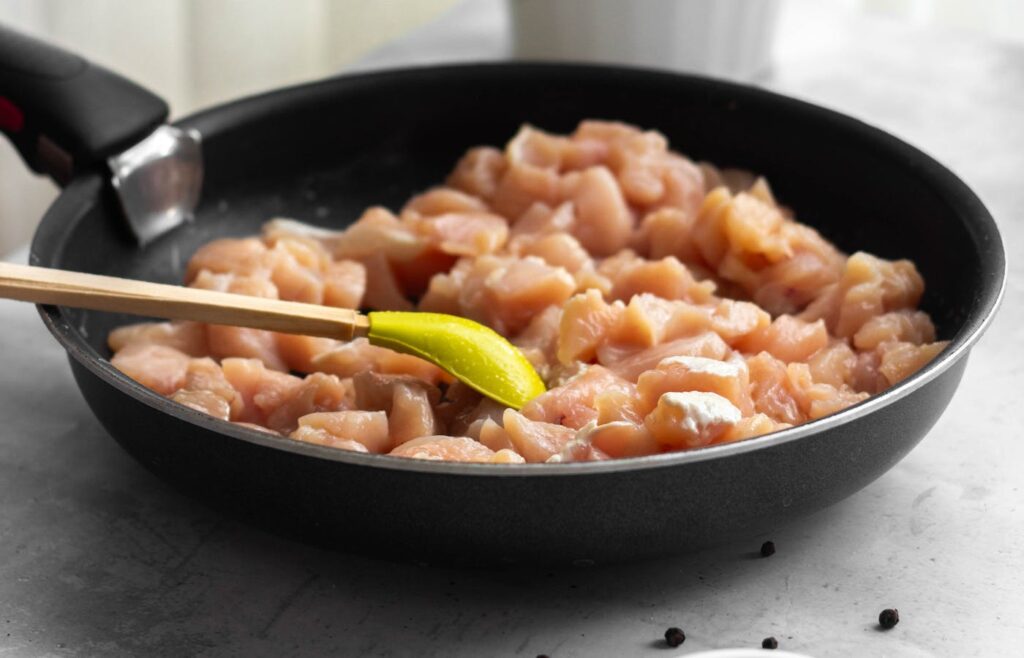
Dry chicken often comes from pieces that are too thick, heat that is too aggressive, or a pan that is crowded. Cut large pieces smaller when speed matters. Give the chicken room to brown. If the pan is packed, the pieces steam first and can turn rubbery before they develop flavor.
For diced chicken, let the pieces sit briefly before stirring so they can brown. For chicken breast, consider slicing it thinner or pounding it lightly so the center cooks before the outside dries. For thighs, give them enough time because they are more forgiving but still need proper cooking.
Rest cooked chicken for a few minutes before slicing when possible. The pause helps juices settle and gives you time to finish rice, vegetables, sauce, or plates. Even a short rest can make a simple meal taste less rushed.
Build a cheap chicken dinner formula
A formula is more useful than memorizing a new recipe every night. Once you know the parts, you can change the sauce, base, and vegetables without starting over. That helps when the fridge is half empty or the grocery budget is already tight.
- Choose a small amount of chicken for the number of servings you need.
- Pick one filling base, such as rice, pasta, potatoes, tortillas, or beans.
- Add one vegetable from the freezer, fridge, or pantry.
- Choose one sauce or seasoning direction.
- Cook the chicken safely and keep the pan juices if they taste good.
- Combine the base, chicken, vegetables, and sauce.
- Set aside leftovers with a clear plan for the next meal.
This formula can become chicken rice bowls, chicken pasta, chicken potato hash, chicken tacos, chicken soup, chicken fried rice, or chicken wraps. The meal changes because the supporting ingredients change, even when the cooking method stays familiar.
Use the formula to shop too. If you have chicken, rice, frozen vegetables, and salsa, you already have dinner. If you have chicken, pasta, spinach, and broth, you have another one. That kind of planning keeps cheap chicken recipes for busy weeknights from turning into emergency takeout.
Save leftovers before they become boring
Leftover chicken loses appeal when it sits in a container with no texture, sauce, or plan. Save it in portions that match real future meals. A small container for lunch wraps, a larger one for soup, and a few pieces for a quick rice bowl are easier to use than one vague pile.
Change the form if you want the second meal to feel different. Shred cooked chicken for tacos, dice it for fried rice, slice it for sandwiches, or simmer it briefly in broth for soup. Texture changes make leftovers feel more intentional.
Be honest about how much leftover chicken your household will eat. If everyone avoids reheated chicken breast, do not cook a huge amount and hope enthusiasm appears later. Cook enough for one planned repeat meal, then freeze extra portions before they sit too long.
Cheap chicken dinners are not only about buying the lowest-priced package. They are about choosing the right cut, stretching it with pantry staples, cooking it safely, and giving leftovers a real job. That is what makes chicken useful on busy nights instead of just familiar.