How to Meal Prep Without Getting Overwhelmed
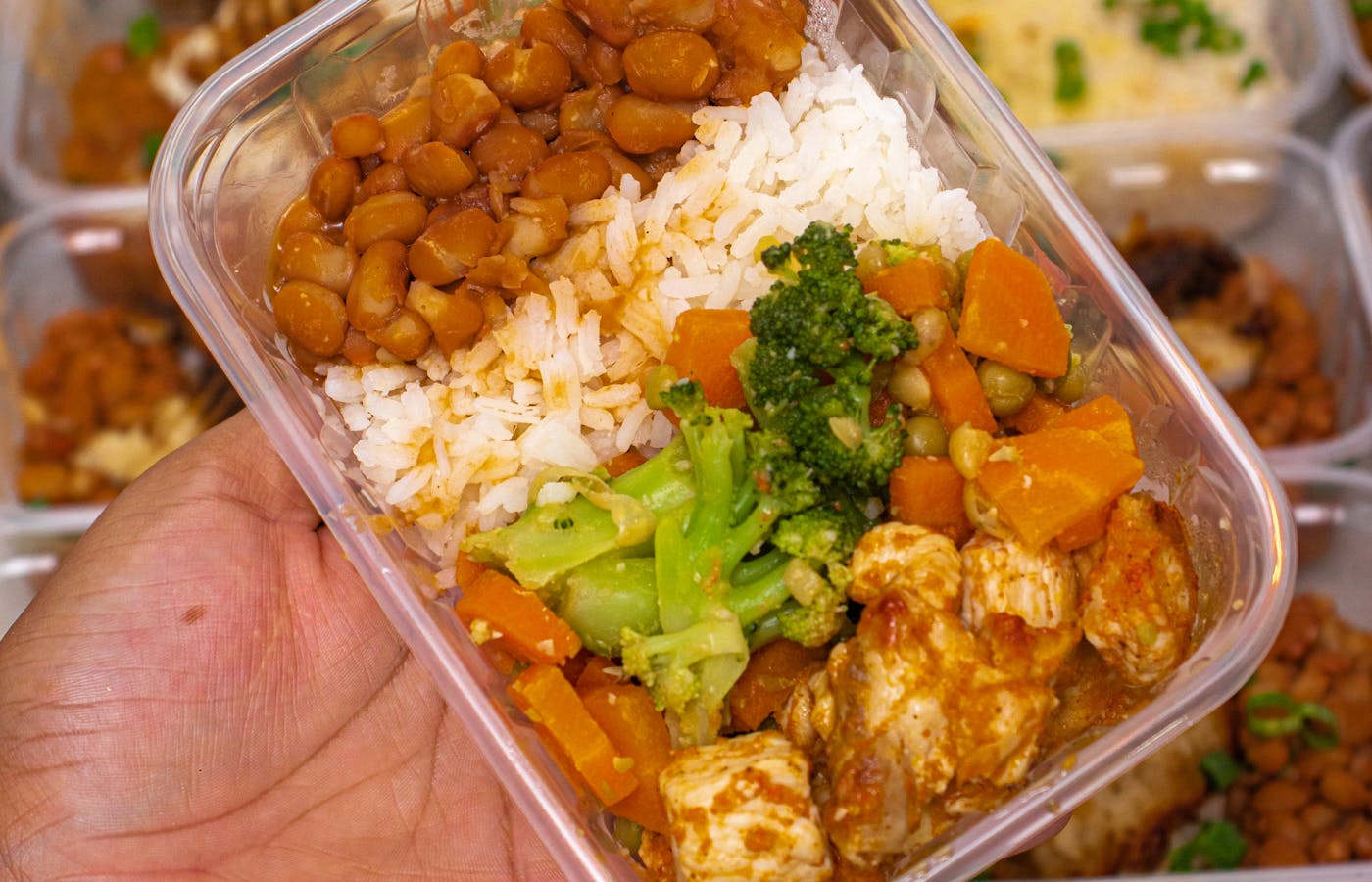
Meal prep gets overwhelming when it turns into a second job before it ever solves dinner. A beginner does not need twenty containers, four sauces, three proteins, and a full Sunday blocked off. That version looks efficient online, but it can make a normal kitchen feel like a production line.
The easier way is to prep one part of the week on purpose. That might be lunches, chopped vegetables, cooked rice, a protein, or two dinners that can become leftovers. The point is to reduce decisions later, not to create a fridge full of food you are tired of by Wednesday.
A good meal prep routine should make future-you calmer without punishing present-you. Start small, repeat what works, and let the system grow only after it proves it can survive a real week.
Choose one meal prep problem first
Before cooking anything, decide which problem you are trying to solve. Meal prep for work lunches is different from meal prep for busy dinners. Breakfast prep is different from having cooked ingredients ready for flexible meals. If you try to solve every meal at once, the planning becomes the hard part.
Pick the meal that causes the most stress or wasted money. If lunch out is draining your budget, prep lunches. If evenings fall apart, prep dinner components. If mornings are chaotic, prep breakfast pieces. One clear target helps you buy the right ingredients and stop before the work expands.
I like choosing the smallest useful version: two or three servings, not seven days of food. That gives you feedback without trapping you in a week of meals you may not want.
This first choice also protects your grocery list. When the goal is “lunch for three workdays,” you can ignore breakfast oats, freezer burritos, chopped snack boxes, and every other idea that looks useful but belongs to a different project.
Use repeatable bases instead of full recipes
Full recipes can be helpful, but beginners often do better with bases. A base is something you can combine in different ways: rice, potatoes, pasta, roasted vegetables, beans, eggs, chicken, tofu, chopped greens, or a simple sauce. Bases are flexible, so one cooking session can become several meals.
This approach also makes grocery shopping easier. Instead of buying ingredients for five unrelated recipes, buy a few ingredients that work together. Rice can become a bowl, side dish, soup addition, or fried rice. Roasted vegetables can go into wraps, eggs, salads, or dinner plates.
Repeatable bases also reduce the mental load while cooking. You can cook one pot of rice, roast one tray of vegetables, and season one protein without stopping to read several recipe steps. That matters when the goal is a calmer week, not a complicated menu.
Good starter bases include:
- One grain or starch, such as rice, potatoes, pasta, or quinoa.
- One protein, such as chicken, beans, eggs, tofu, or ground meat.
- One vegetable that reheats well.
- One fresh topping or crunchy item to add later.
- One sauce, seasoning blend, or dressing that keeps meals from tasting flat.
Prep fewer containers than you think
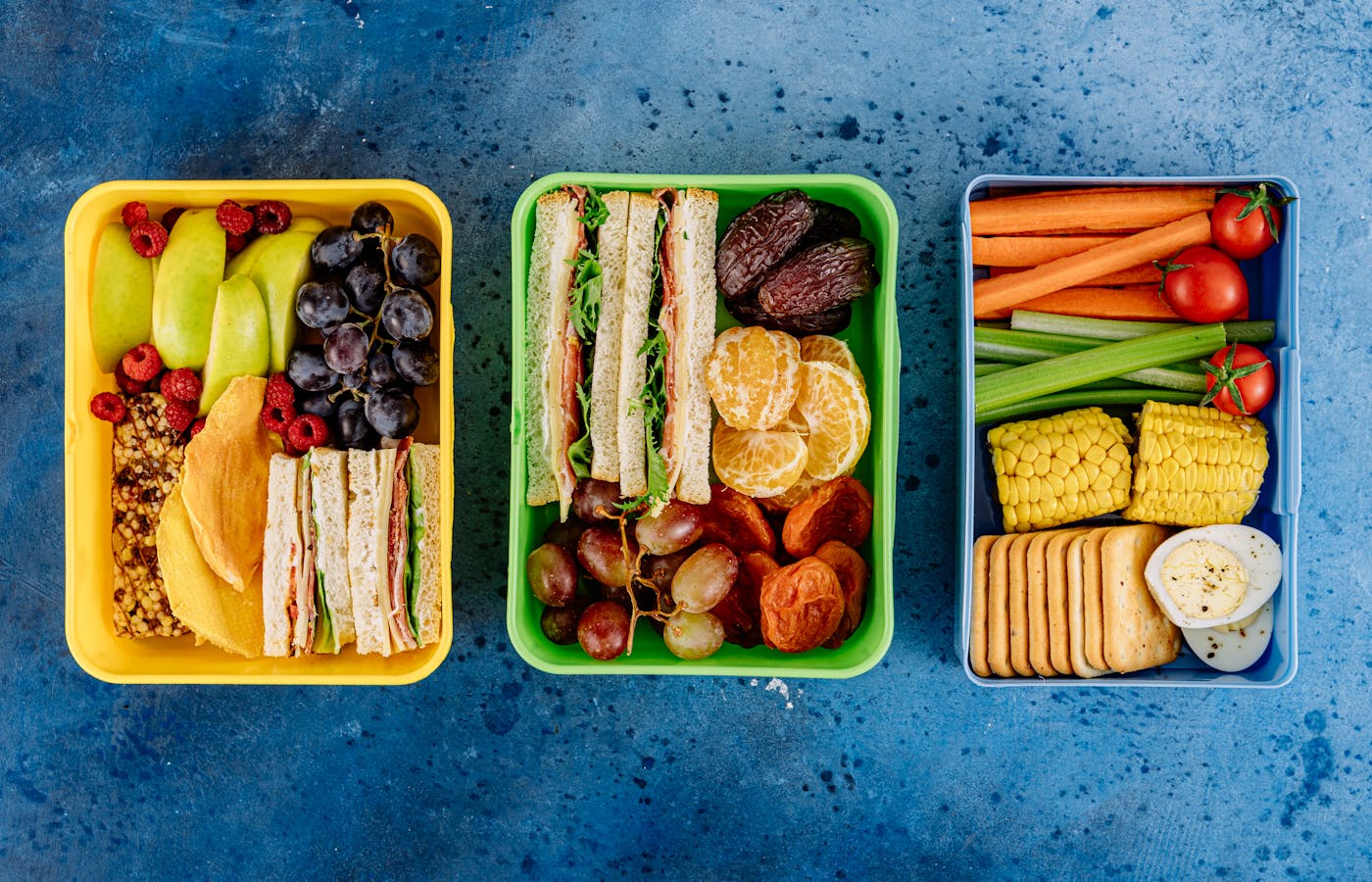
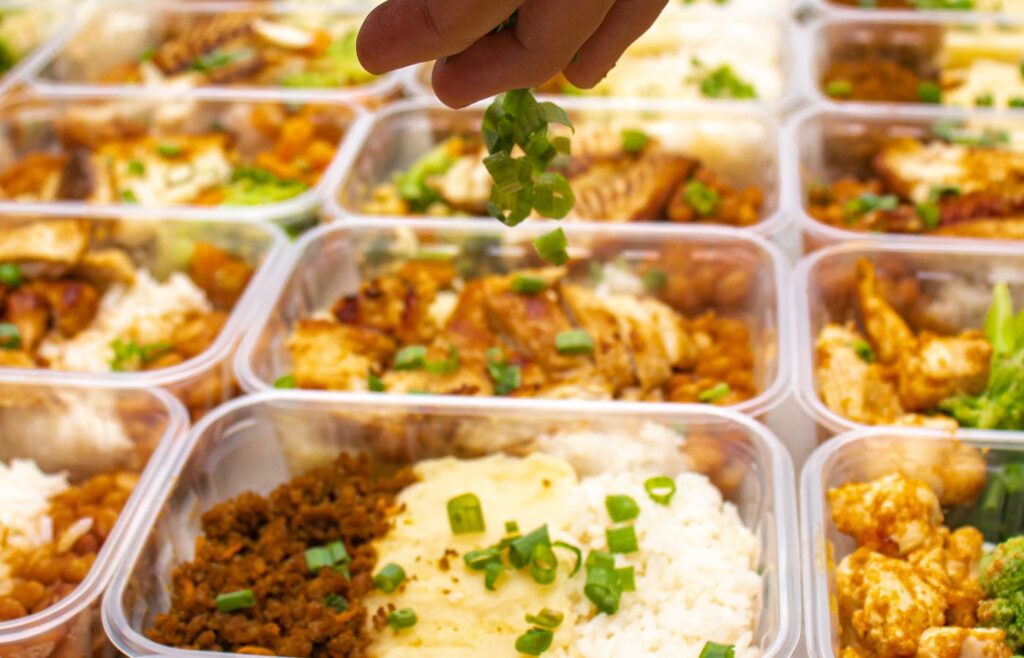
Too many containers can create a new problem: a fridge packed with meals that all need to be eaten on schedule. Start with two or three containers, plus one batch of a base ingredient. That is enough to make the week easier without turning freshness, storage, and boredom into a puzzle.
Think about your real appetite and schedule. If you often change plans, eat out once, or skip a prepared meal, do not prep five identical lunches. Prep two reliable meals and keep extra cooked ingredients separate. Separate ingredients give you more ways to adapt when the week changes.
Use containers that match the food. Saucy meals need lids that seal well. Crispy toppings should stay separate. Salads need enough space so greens do not get crushed. A good container is not fancy; it keeps the food useful until you actually eat it. Meal prep also works better when beginner kitchen tips keep basic cooking choices from multiplying during the week.
Leave at least one container empty if your week is unpredictable. That gives you room for leftovers from a dinner, chopped fruit, or a half portion that needs a home. A little extra container space can prevent the fridge from turning into stacked foil and mystery bowls.
Meal prep works better when it removes one daily decision instead of trying to control the entire week.
Keep flavor flexible until serving
One reason meal prep becomes boring is that everything is fully finished too early. If every container has the same sauce, texture, and seasoning, you may feel done with it after the first meal. Keep some flavor decisions for the day you eat. Feeling less overwhelmed starts a simple weekly meal prep plan is useful where the weekly plan stays small enough to actually finish.
Cook the plain base well, then change the finish. Rice with chicken and vegetables can become a soy-style bowl, a spicy bowl, a lemony bowl, or a wrap filling depending on sauce and toppings. The same roasted vegetables can feel different with yogurt sauce, salsa, vinaigrette, or a fried egg.
Flexibility is what keeps simple meal prep from feeling like leftovers on repeat. Store wet sauces separately when possible, add herbs or crunchy toppings late, and avoid mixing delicate ingredients into hot food too early.
If you know you get bored quickly, make one container fully finished and keep the rest as components. That way you have one grab-and-go meal plus ingredients that can still become something slightly different.
Plan cleanup before you start cooking
Meal prep fails fast when cleanup becomes bigger than the food. Before you start, clear the sink, empty the dishwasher if needed, and set out the containers. This sounds basic, but it prevents the end of the session from becoming a pile of pans, cutting boards, and open containers.
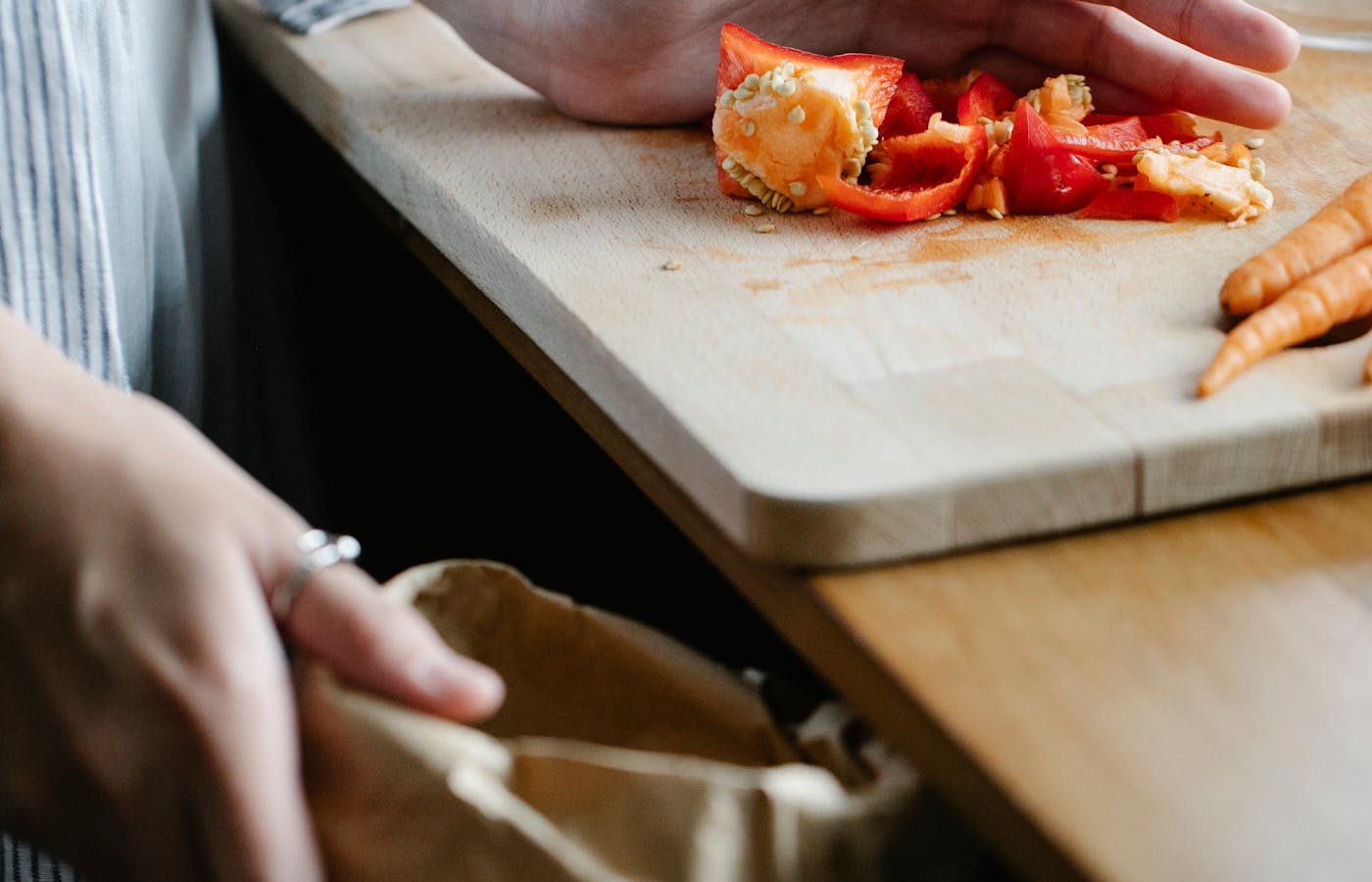
Choose cooking methods that share tools. If the oven is already on, roast the vegetables and protein together on separate sections of a sheet pan. If a pot is cooking rice, use that time to cut toppings or wash produce. You do not need more complexity; you need fewer loose ends.
Useful cleanup limits:
- Use one cutting board order: vegetables first, raw meat last.
- Wash one tool while something cooks.
- Let hot food cool safely before sealing containers.
- Label containers if you might forget the date.
- Stop before starting an extra recipe you do not have energy to finish.
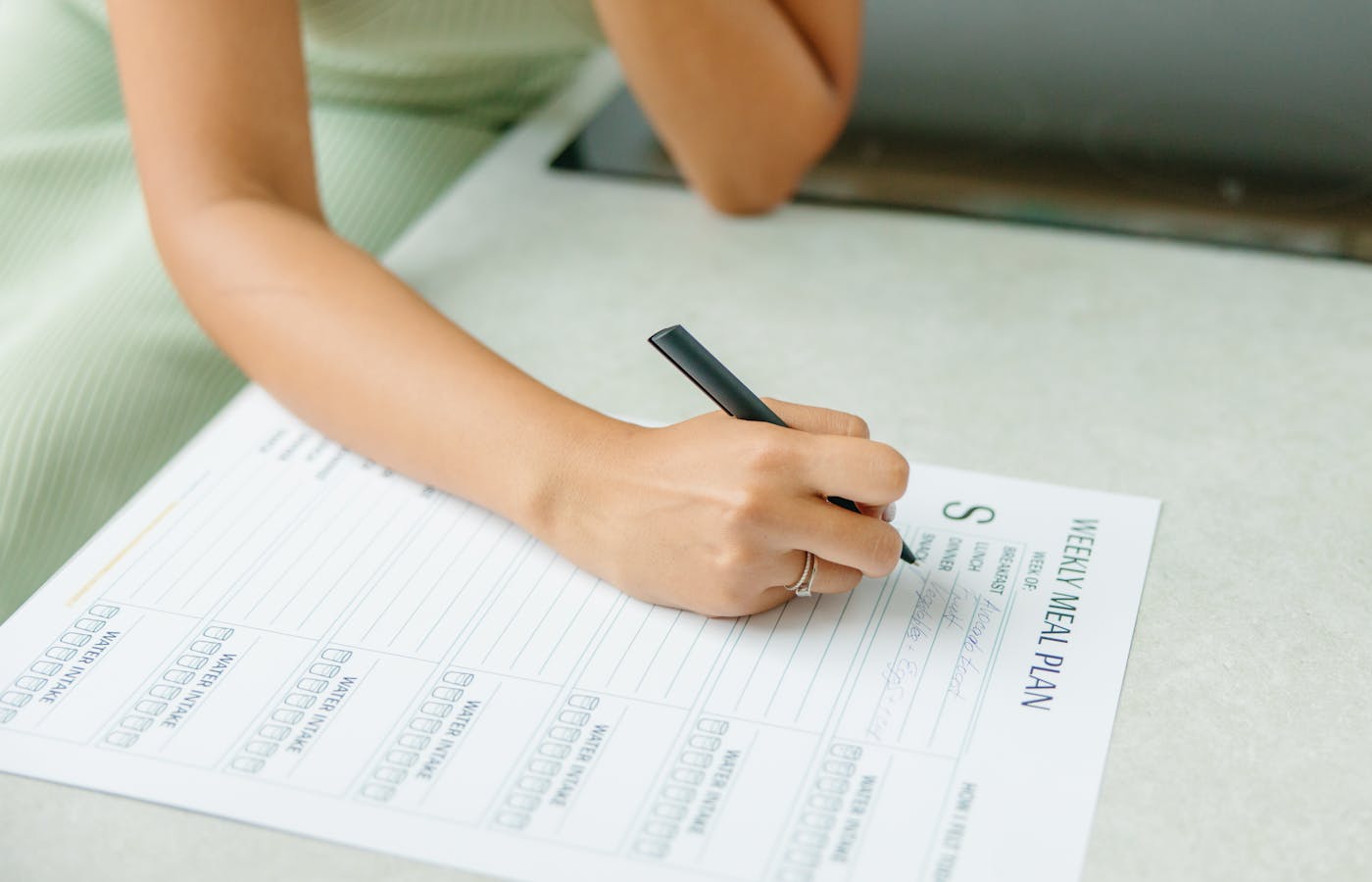
Build a small weekly meal prep routine
Once the first session works, repeat the same structure before adding more. A routine matters more than novelty. If Sunday afternoon is too crowded, prep one base after dinner on Monday. If cooking all at once feels tiring, split it into a chopping session and a cooking session.
Keep a short note after each prep session: what you ate, what you ignored, and what took too long. That tiny review makes the next week easier without turning meal prep into another planning chore.
Use this simple sequence:
- Choose one meal problem to solve this week.
- Pick one base, one protein, one vegetable, and one flavor finish.
- Cook enough for two or three meals, not the whole week.
- Store delicate toppings and sauces separately.
- Clean as you go and label anything that needs a date.
- Review what you actually ate before planning the next prep.
Learning how to meal prep without getting overwhelmed is mostly about shrinking the promise. Prep one useful piece of the week, make the food flexible, keep the containers realistic, and let the next session improve from what you learned.