Simple Pasta Dinners Ready in 20 Minutes
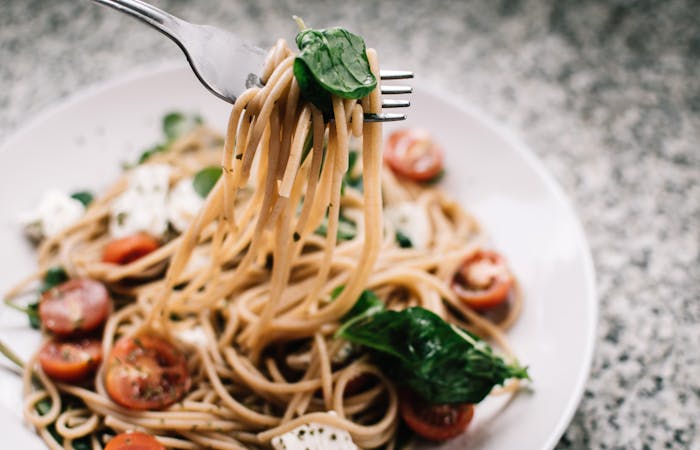
Pasta is one of the easiest weeknight dinners, but it can still run long when the sauce, toppings, and cleanup are treated like separate projects. A 20-minute pasta dinner needs a tighter plan: boil water early, choose quick ingredients, and build flavor while the pasta cooks. When the meal includes meat or poultry, FSIS safe-temperature guidance is the outside check to use before trusting color or texture alone.
I usually think of quick pasta as a timing exercise rather than a recipe category. If the sauce can be made in the same time as the noodles, dinner feels simple. If the sauce needs a long simmer, it belongs to a different night.
Start the water before you prep everything
The most common pasta delay is waiting too long to start the water. Fill the pot, salt it, cover it, and heat it first. While it comes to a boil, chop garlic, wash greens, open beans, grate cheese, or pull leftovers from the fridge. This small order change can save more time than any fancy shortcut.
Use the smallest pot that still gives the pasta room to move. A giant pot takes longer to heat. For short pasta, a wide pot or deep skillet can work well. Stir during the first minute so pieces do not stick, then use the cooking time to build the sauce instead of standing over the pot.
Keep one eye on the package timing, but taste near the end. Thin spaghetti, penne, shells, and fresh pasta all move at different speeds. A quick taste keeps the meal from turning soft while you finish the sauce.
Pick sauces that finish while the pasta cooks
A 20-minute pasta dinner needs sauce styles that move quickly: garlic and olive oil, butter and lemon, canned tomatoes with herbs, cream cheese loosened with pasta water, pesto, or a simple pan sauce made from vegetables. These do not need a long simmer to taste complete.
Avoid starting with raw meat, hard vegetables, or a sauce that needs reducing unless those ingredients are already cooked or cut very small. Quick pasta is not about doing less carelessly. It is about choosing ingredients that match the time available.
If you want a deeper flavor, use small concentrated ingredients instead of long cooking time. A spoon of tomato paste, a few olives, capers, garlic, chili flakes, or parmesan rind can add direction quickly without turning the recipe into a slow sauce.
| Sauce base | Fast add-ins |
|---|---|
| Olive oil and garlic | Spinach, chili flakes, parmesan |
| Canned tomatoes | Beans, basil, tuna, olives |
| Butter and lemon | Peas, herbs, leftover chicken |
| Pesto | Cherry tomatoes, mozzarella, greens |
Use vegetables that cook in the pan, not the oven
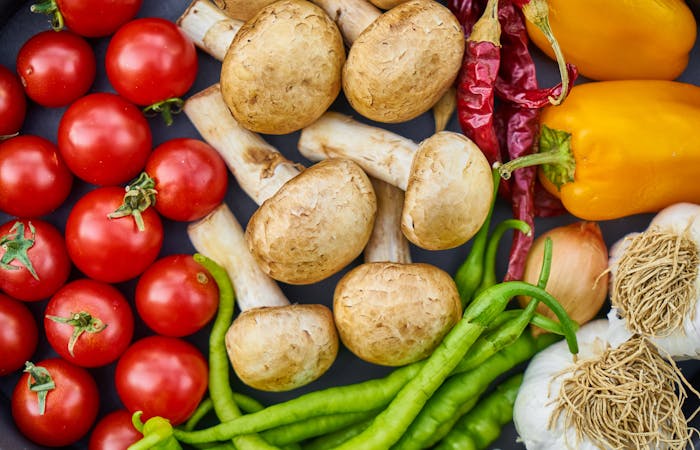
Vegetables can make pasta feel fresher, but they need to be chosen for speed. Cherry tomatoes, spinach, mushrooms, zucchini ribbons, peas, roasted peppers from a jar, and thinly sliced onions can all work quickly. Broccoli can work too if it is cut small or cooked briefly with the pasta.
I would save roasted vegetables for nights when they are already leftovers. Starting a sheet pan from scratch changes the promise of the meal. For a 20-minute dinner, the vegetable should soften in a skillet while the pasta boils or warm through in the final toss.
Cut size is the hidden speed trick. Mushrooms sliced thinly cook much faster than thick chunks. Zucchini ribbons soften faster than cubes. Spinach only needs the heat of the pan and pasta. The knife work should match the clock.
Quick pasta works better when the counter is ready before the water boils. Keep the cutting board, colander, pan, and serving bowl within reach, then clear wrappers or vegetable scraps as you go. The same small-kitchen habits from organizing a small kitchen for cooking can keep a fast dinner from turning into a crowded cleanup job.
Keep one protein option ready but optional
Protein can be simple without turning the meal into a separate recipe. Canned beans, tuna, rotisserie chicken, eggs, cottage cheese, mozzarella, or leftover cooked sausage can be added near the end. If you use raw shrimp or small chicken pieces, cook them first and keep the seasoning simple.
For vegetarian nights, beans and cheese are usually the easiest route. White beans with tomatoes, chickpeas with lemon, or lentils with garlic can make the bowl more filling without adding another pan. Rinse canned beans if the liquid tastes too salty or metallic.
Food safety still matters on fast nights. Reheat leftovers until hot, keep raw meat away from ready-to-eat ingredients, and do not let cooked pasta sit out for a long time after dinner. Speed should make the meal easier, not sloppy.
Keep portions modest so the pasta still tosses easily and stays hot.
Reserve pasta water before draining
Pasta water is the quiet tool that makes quick sauce work. Before draining, scoop out a mug of starchy water. Add a splash to the pan when tossing pasta with oil, tomatoes, pesto, cheese, or butter. The starch helps the sauce cling instead of sliding to the bottom of the bowl. This kind of early setup is also useful in a simple weekly meal prep plan, where the busy part works only when the next step is already clear.
Add water slowly. A little loosens the sauce; too much makes it watery. If the pan looks dry, add another spoonful. If it looks loose, keep tossing over gentle heat for a minute. This is easier than trying to fix a dry plate after serving.
This is easiest when the pasta is slightly under its final texture before it goes into the pan.
- Reserve water before draining.
- Add it in small splashes.
- Toss pasta in the pan, not only in the serving bowl.
- Finish with cheese, herbs, or lemon after the texture is right.
Build two reliable dinner formulas
Formula one is pantry tomato pasta: canned tomatoes, garlic, olive oil, beans or tuna, and short pasta. Formula two is green skillet pasta: olive oil or butter, spinach or peas, lemon, cheese, and any leftover protein. With those two patterns, you can change the details without learning a new recipe each time.
The point is repetition with variation. A few trusted formulas prevent the blank-stare moment at 6 p.m. You can swap pasta shapes, use a different cheese, add herbs, or change the vegetable while the cooking rhythm stays familiar.
Write the formulas somewhere visible if weeknights are chaotic. A short note on the fridge with sauce base, vegetable, protein, and finish can turn random pantry items into dinner faster than scrolling for a new recipe.
The formulas also help with shopping. If you always keep one pasta shape, one canned tomato option, one green vegetable, and one finishing cheese, a quick dinner is already halfway planned before the day gets busy.
Clean as the sauce comes together
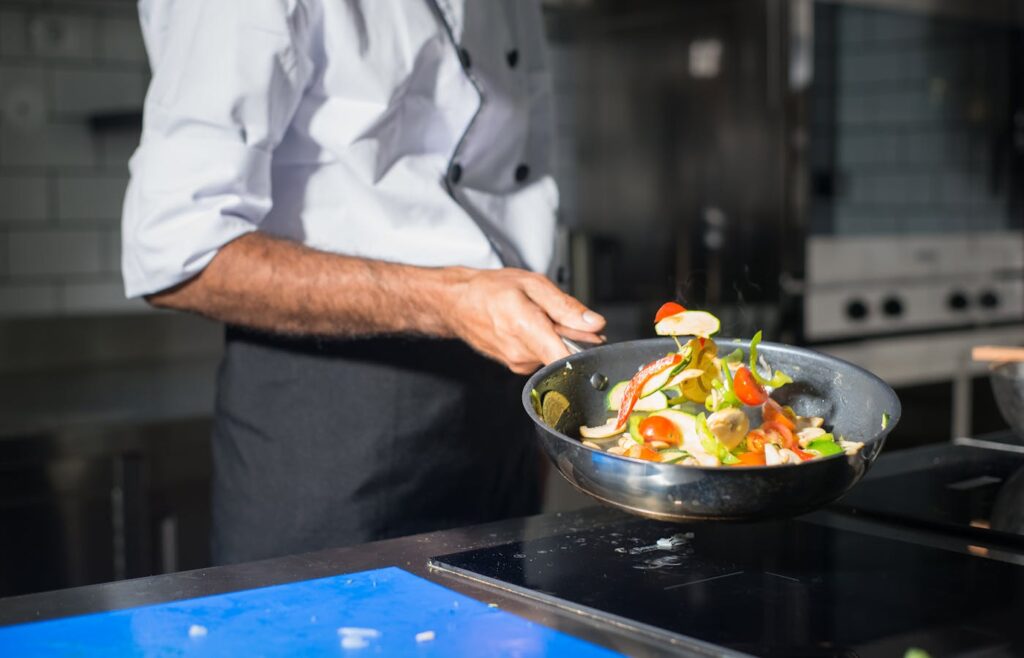
Fast dinners feel less fast when the sink is full afterward. Put packaging in the trash while the pasta boils. Rinse the cutting board after vegetables are in the pan. Wipe the counter before serving. If you used only a pot, skillet, board, and spoon, cleanup should not become a second dinner project.
A one-pan version is possible for some pasta shapes, but it needs enough liquid and regular stirring. I still prefer the pot-plus-skillet method for beginners because the pasta texture is easier to control. Once the timing feels natural, one-pan pasta can be a useful variation.
Put the colander in the sink before the pasta is ready. Set out serving bowls while the sauce is still loose. Tiny setup steps keep the final minute from feeling rushed, which is when pasta is easiest to overcook.
If the pan has sticky sauce bits, add a splash of hot water while it is still warm after serving. That small habit makes cleanup much easier than facing a dry skillet later.
Finish with contrast so it tastes intentional
Quick pasta can taste flat if everything is soft and mild. Add contrast at the end: lemon, black pepper, chili flakes, toasted breadcrumbs, fresh herbs, parmesan, olives, or a small drizzle of olive oil. The finish does not need to be expensive. It needs to wake up the bowl.
Taste before serving. If the pasta is bland, it may need salt, acid, cheese, or a brighter topping. If it is too heavy, add lemon or herbs. If it is too dry, add a splash of pasta water. A final thirty-second adjustment can make a simple dinner feel planned.
That last taste is worth the pause. It catches the small things that fast recipes often miss: not enough salt, too much richness, a dry pan, or a sauce that needs one fresh note before it reaches the table.
A 20-minute pasta dinner works when every step overlaps on purpose. Start the water, cook the sauce while the noodles boil, save pasta water, and finish with one bright detail. That is enough for a weeknight dinner that does not feel like a compromise.