Meatless Budget Meals That Are Filling
Meatless meals can be cheap and still feel complete, but they need more structure than a plain side dish on a plate. A bowl of lettuce or a spoonful of vegetables may technically be meatless, yet it will not carry a busy evening. Filling meatless budget meals usually combine protein, starch, fiber, fat, and enough flavor to make the meal feel finished.
The useful part is that many of the best meatless anchors are pantry-friendly. Beans, lentils, eggs, rice, oats, pasta, potatoes, tortillas, canned tomatoes, frozen vegetables, and cabbage can stretch a small grocery budget without making dinner feel thin. I like this kind of cooking because the meals are flexible. You can repeat the base and still change the flavor.
Do not measure these meals against restaurant vegetarian food. The aim is to build everyday meals that keep people full, use affordable ingredients, and avoid the feeling that something important is missing from the plate.
As a quick MyPlate-style check, meatless meals still need protein, grains or starches, vegetables or fruit, and enough variety to feel complete. Beans, lentils, eggs, dairy, tofu, grains, and vegetables work better together than as isolated sides.
Start with a filling anchor, not a side dish
The easiest mistake with meatless budget meals is starting with vegetables alone. Vegetables matter, but a pile of vegetables without an anchor can leave everyone hungry again an hour later. A filling anchor gives the meal weight. It can be beans, lentils, eggs, tofu, potatoes, pasta, rice, oats, tortillas, or bread.
Think of the anchor as the part that turns a snack into dinner. Black beans can carry tacos, bowls, soups, and baked potatoes. Lentils can become soup, curry, sloppy sandwiches, pasta sauce, or patties. Eggs can turn fried rice, toast, potatoes, or tortillas into something more satisfying. Potatoes can become a meal when they are topped with beans, vegetables, cheese, yogurt, or eggs.
This approach also makes grocery shopping calmer. Instead of buying random vegetables and hoping a meal appears, choose two or three anchors for the week. Then add vegetables and flavor around them. If rice and beans are already planned, dinner can become a bowl, burrito, soup, or skillet meal depending on what is left in the fridge. The meal has to carry real hunger, not just look colorful.
- Use beans when the meal needs fiber and protein.
- Use eggs when dinner needs speed and a little richness.
- Use potatoes when the plate needs comfort and bulk.
- Use lentils when soup, sauce, or curry needs body.
- Use pasta or rice when leftovers need a base.
Use beans and lentils as the main protein
Beans and lentils are the backbone of many cheap vegetarian meals because they are affordable, filling, and easy to season in different directions. Canned beans are faster. Dry beans usually cost less per serving if you have time to cook them. Lentils are especially useful because many types cook faster than dry beans and do not always need soaking.
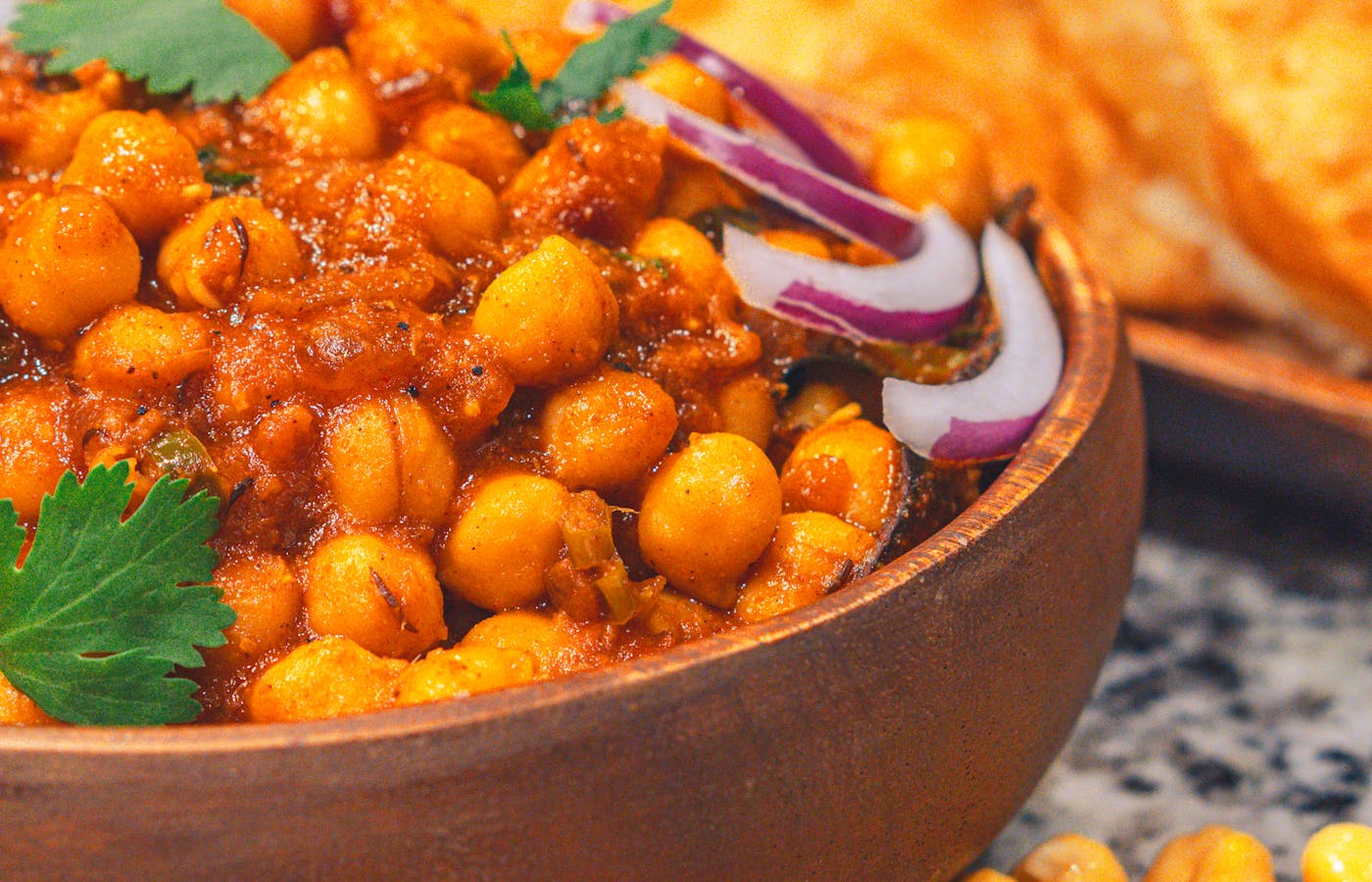
The key is to treat beans and lentils like the main event, not an afterthought. A pot of lentils with tomatoes, onions, garlic, and spices can become soup one night and a pasta topping the next. Black beans can become tacos, rice bowls, enchilada-style casseroles, or a quick skillet with corn and peppers. Chickpeas can go into curry, salad, mashed sandwich filling, or roasted bowls.
Texture makes a difference. If every bean meal is soft, it can feel repetitive. Mash some beans for creaminess, leave some whole for bite, and add a crisp topping when possible. Cabbage, toasted breadcrumbs, tortilla strips, roasted chickpeas, cucumber, or a spoonful of salsa can keep a low-cost meal from feeling flat.
Seasoning should happen early enough to matter. Beans cooked or warmed with onions, garlic, chili powder, cumin, smoked paprika, curry powder, bay leaf, or a little vinegar taste more intentional than plain beans dropped on top at the end. Salt carefully, taste, and finish with acid when the meal feels dull.
Pair cheap starches with protein and vegetables
Rice, pasta, potatoes, oats, bread, and tortillas help meatless meals feel filling, but they work better when they are paired with protein and vegetables. A starch alone can be cheap and quick, yet it often fades fast. A starch with beans, lentils, eggs, tofu, cheese, yogurt, or peanut sauce has more staying power.
Rice can stretch beans, frozen vegetables, eggs, and leftovers into bowls or fried rice. Pasta can carry lentil tomato sauce, chickpeas with greens, or a simple vegetable skillet. Potatoes can become dinner with black beans, broccoli, cottage cheese, salsa, or a fried egg. Tortillas can turn small amounts of leftovers into quesadillas, wraps, or tacos.
Starches also protect the budget because they make small amounts of more expensive ingredients go further. A little cheese can flavor a large potato. Two eggs can finish a skillet of rice and vegetables. A half cup of lentils can thicken a sauce that serves several people over pasta.
The practical trick is to cook extra starch on purpose when it saves time. Leftover rice becomes better fried rice when it is chilled. Extra potatoes can become breakfast hash or soup. Cooked pasta can become a quick lunch with beans, vegetables, and vinaigrette. That kind of planned leftover makes meatless cooking easier during the week.
Make vegetables stretch with smart cuts and cooking methods
Vegetables can be the expensive part of meatless cooking if every meal depends on pristine fresh produce. Budget meals work better when fresh, frozen, canned, and long-lasting vegetables all have a role. Cabbage, carrots, onions, potatoes, frozen spinach, frozen broccoli, canned tomatoes, corn, and peas can do a lot of work without a high grocery bill.
Cut size matters. Thinly sliced cabbage cooks quickly and adds volume to noodles, tacos, rice bowls, and soups. Shredded carrots disappear nicely into lentil sauce or fried rice. Diced onions and peppers can stretch across several meals when cooked as a flavor base. Frozen spinach can thicken soups, eggs, pasta, and curries without needing washing or chopping.
Roasting can make cheaper vegetables taste deeper, but it is not the only option. Sauteing with garlic, simmering in tomato sauce, steaming and seasoning, or adding vegetables to soup can all work. The best method is the one that fits the night. If roasting takes too long, a skillet meal is still useful. If fresh vegetables are running low, frozen vegetables can save dinner.
Try not to let vegetables sit on the plate without a job. They can add crunch, sweetness, color, sauce, or volume. When a vegetable has a purpose, the meal feels planned even if it is built from inexpensive ingredients. The weeknight choice also connects to 30-minute dinner ideas, where a short ingredient list still has to feel like a complete meal.
Change flavor so repeated ingredients do not feel repeated
Budget cooking often repeats ingredients. That is not a problem by itself. The problem starts when rice, beans, potatoes, and vegetables taste the same every time. Flavor is where a small pantry can make meatless meals feel more varied without adding much cost.
One week of beans can go several directions. Use cumin, chili powder, lime, and salsa for tacos or bowls. Use curry powder, ginger, garlic, and canned tomatoes for a stew. Use Italian seasoning, tomato paste, and pasta water for a sauce. Use soy sauce, vinegar, and a little sugar for a quick rice bowl flavor. The base stays affordable while the meal changes.
Acid is especially helpful in meatless food. Lemon juice, lime juice, vinegar, pickle brine, salsa, or tomatoes can wake up beans and lentils that taste heavy. Fat helps too, even in small amounts. Olive oil, butter, peanut butter, tahini, cheese, avocado, or yogurt can make a cheap meal feel more satisfying.
- Add lime and salsa to black bean rice bowls.
- Use vinegar and mustard in chickpea salad sandwiches.
- Finish lentil soup with lemon juice or a spoonful of yogurt.
- Add peanut butter or tahini to noodles, vegetables, and tofu.
- Use herbs, hot sauce, or pickles when a meal tastes too plain.
Plan meatless dinners that become lunch
Meatless budget meals save more money when they create useful leftovers. The goal is not to eat the exact same dinner again unless you want to. It is to cook a base that can shift into lunch without needing a new recipe from scratch.
A pot of lentils can become soup, pasta sauce, or a filling for toast. Beans and rice can become burritos, bowls, or stuffed peppers. Roasted vegetables can go into wraps, eggs, grain bowls, or pasta. Baked potatoes can become hash, soup, or a quick lunch with beans and salsa. Planning that second use before cooking helps avoid forgotten containers in the back of the fridge.
Pack lunch before the meal disappears. If the dinner is good, it is easy for everyone to take seconds and leave no planned leftover. Portion one container first, then serve dinner. That small habit can protect tomorrow’s budget without making anyone think about lunch in the morning.
- Choose one main anchor, such as lentils, beans, rice, pasta, or potatoes.
- Cook enough for dinner plus one or two lunch portions.
- Keep sauces or crisp toppings separate when texture matters.
- Change the format for lunch, such as bowl to wrap or soup to toast topping.
- Label anything that should be eaten within two days.
Keep emergency meatless meals ready
The budget usually breaks on the night when there is no plan, no energy, and no obvious dinner. Emergency meatless meals help because they rely on shelf-stable or freezer ingredients that can become food in a few minutes. They do not need to be impressive. They need to be available.
Good emergency options include pasta with canned tomatoes and lentils, eggs with toast and frozen spinach, bean quesadillas, rice with frozen vegetables and an egg, baked potatoes with canned beans, chickpea salad sandwiches, or instant oats with peanut butter and fruit. These meals are simple, but they can stop an expensive last-minute order.
Keep a short list on the fridge or inside a cabinet door. When people are tired, remembering options is harder than cooking them. A visible list turns pantry ingredients into decisions. It also helps with shopping because you can restock the emergency ingredients before they are gone.
Meatless budget meals that are filling come from repeatable combinations: an anchor, a protein, vegetables, flavor, and a plan for leftovers. Beans, lentils, eggs, potatoes, rice, pasta, tortillas, and frozen vegetables can do more than cover a meatless night. Used with intention, they can make affordable meals feel steady, generous, and easy to repeat.