Budget Meals with Rice and Beans
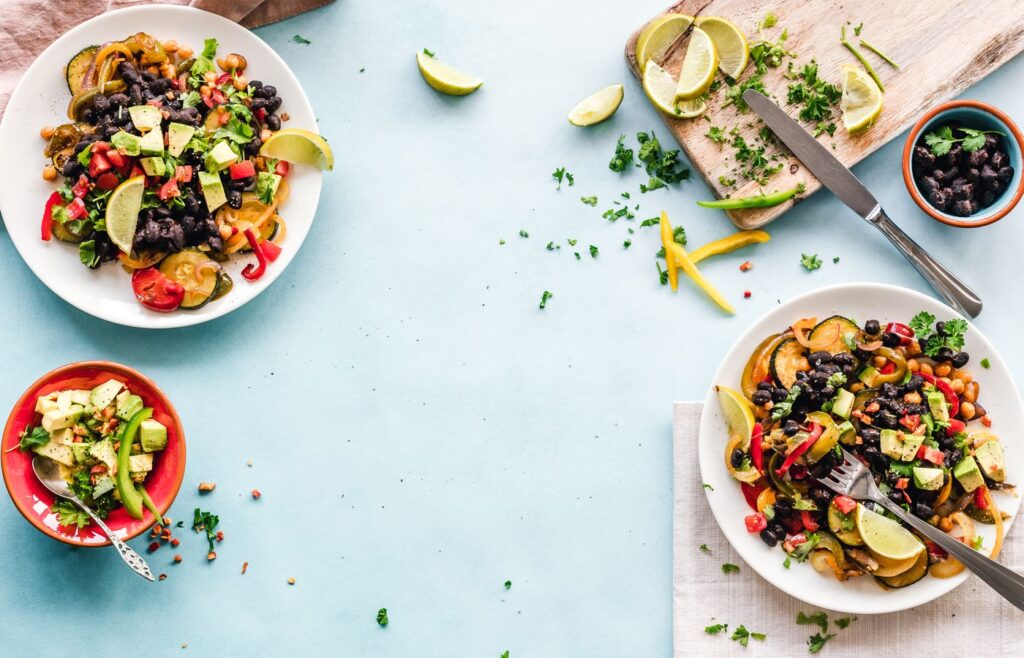
A small grocery budget goes further when rice and beans are planned as a flexible base instead of the same plate every day. With the right seasoning, vegetables, and protein add-ons, the combination can become several meals without feeling repetitive.
A good rice-and-beans plan uses seasoning, texture, toppings, and meal formats to create variety. Bowls, soups, burritos, skillet meals, and simple sides can all start from the same inexpensive base.
The goal is not to pretend every meal is completely different. The goal is to give the same base enough contrast that it stays useful. A crisp topping, a bright sauce, a fried egg, or a different vegetable can change the eating experience without changing the grocery list.
Cook the base so it can become several meals
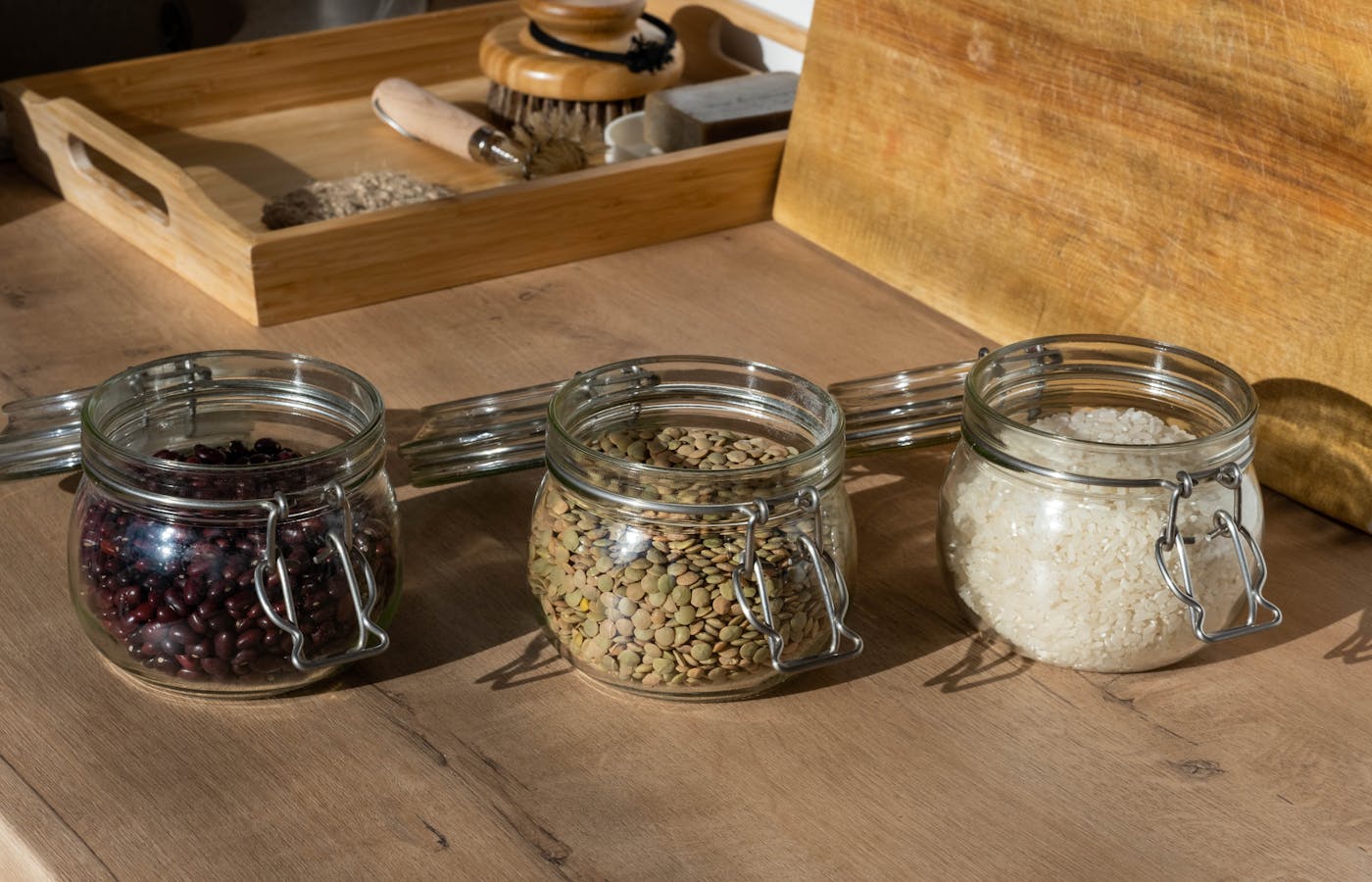
Plain rice and beans are useful because they can move in different directions. Keep the first batch simple enough to season later. If the base is already strongly flavored, every leftover meal may taste too similar.
Cook rice fluffy, not mushy, and keep beans tender but not watery. Store them separately when possible. Separate storage gives you more control when turning the base into bowls, soups, wraps, or quick skillet dinners.
| Choice | Beginner check | Why it matters |
|---|---|---|
| Rice bowl | Add vegetables, sauce, and protein | Fast lunch or dinner |
| Bean soup | Add broth, spices, and greens | Stretches leftovers |
| Tortilla meal | Add beans, rice, and toppings | Changes texture without much cost |
Seasoning blends change the direction
Seasoning is the cheapest way to make rice and beans feel new. Cumin, smoked paprika, chili powder, garlic, oregano, bay leaf, curry powder, or a little vinegar can shift the meal without changing the budget.
Add vegetables for color and texture
Vegetables keep rice and beans from feeling heavy. Onions, peppers, corn, tomatoes, cabbage, spinach, carrots, and frozen mixed vegetables can all work. Choose what is affordable and what you can use before it spoils.
Use the cheapest vegetable that fits the direction of the meal. Cabbage and carrots can make a bowl feel crisp, greens can make it softer and heartier, and tomatoes or peppers can add freshness. Buying one or two flexible vegetables is often better than buying many small ingredients that do not get used.
Texture matters. Crunchy cabbage, roasted peppers, fresh tomato, or sauteed onion can make the same base feel like a different meal. Even one vegetable can change the plate if it adds contrast.
Beginner checks: Use frozen vegetables when fresh prices are high. Add greens near the end so they do not disappear. Roast or saute vegetables for deeper flavor. Keep one fresh topping for contrast when possible.
Turn eggs into an inexpensive protein boost
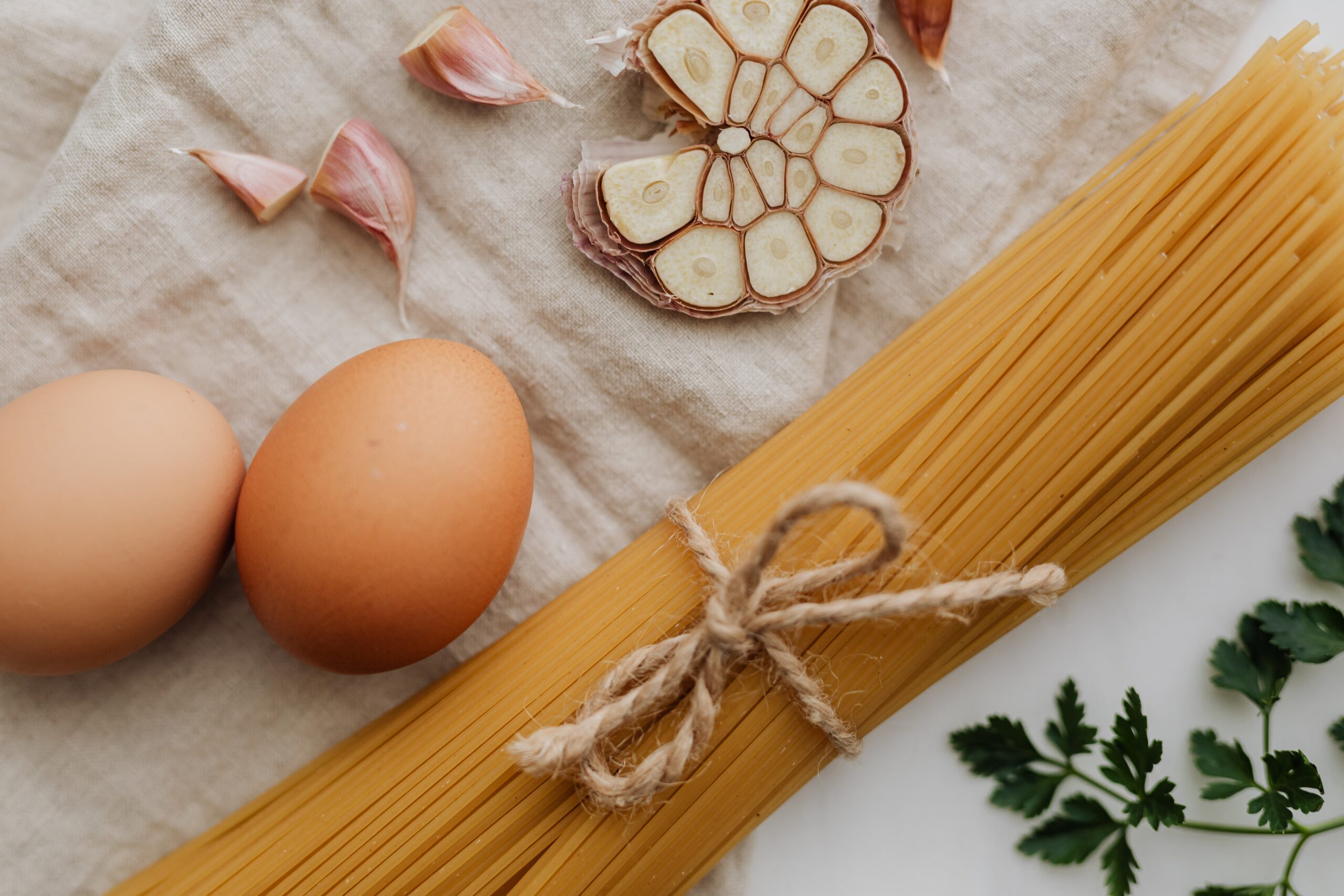
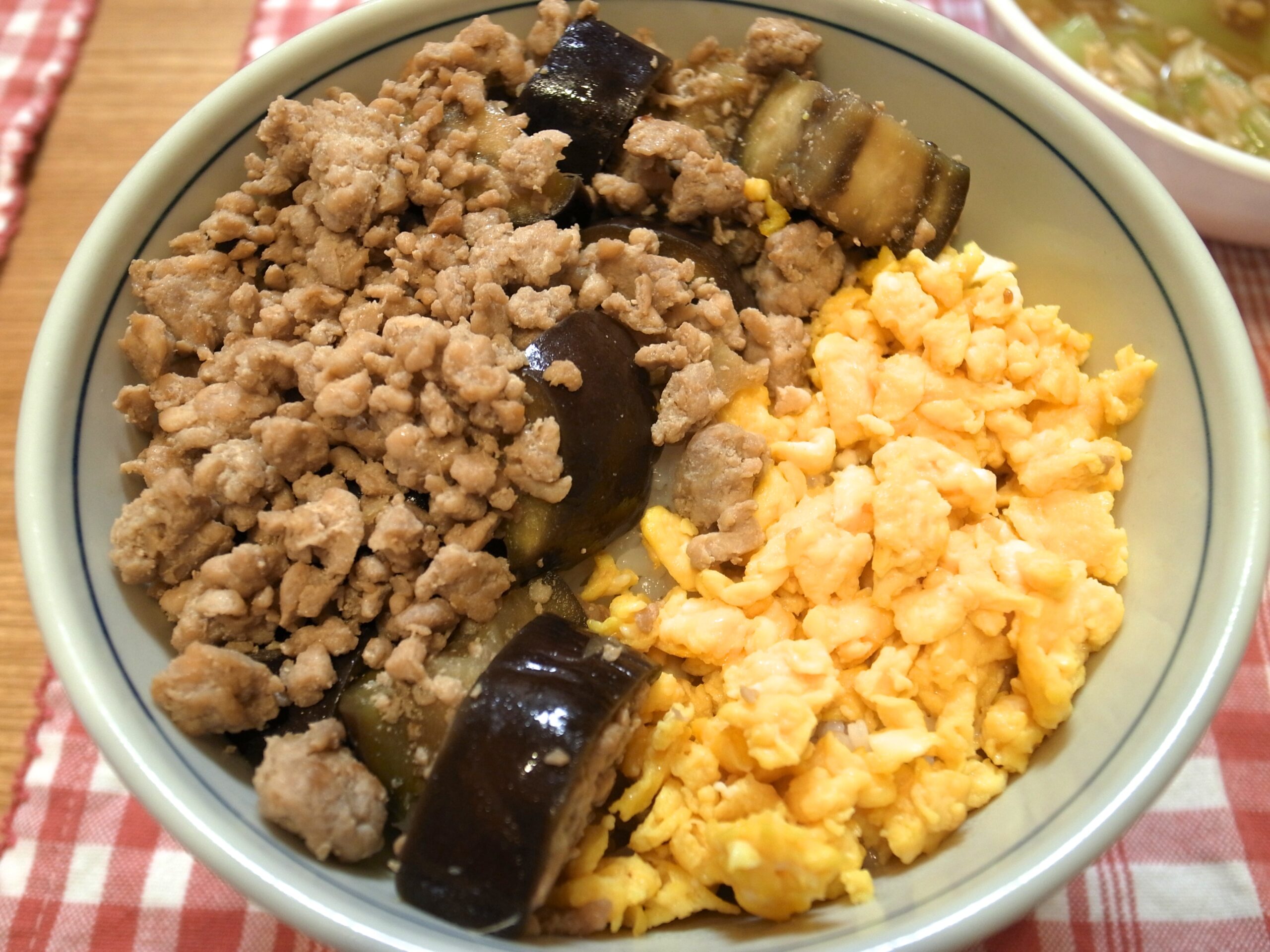
Eggs pair well with rice and beans because they cook quickly and add richness. A fried egg, scrambled eggs, or a chopped boiled egg can turn a simple bowl into a fuller meal without much extra planning. Rice and beans are not the only pantry-friendly base; simple pasta dinners uses the same low-stress idea with a different staple.
Use eggs when the meal needs protein but the budget is tight. Keep the rest of the plate simple: rice, beans, a vegetable, and one sauce or seasoning direction. Too many toppings can make the meal more expensive than intended.
Sauces keep the meal cheap when used carefully
Sauces add variety, but they can quietly raise the cost if every meal needs a special bottle. Start with pantry basics such as salsa, hot sauce, yogurt, lime, vinegar, soy sauce, or a quick garlic oil.
The best sauce is one that also works on other meals that week. If a sauce only fits one plate, it may not be worth buying for a budget plan. Reusable flavor keeps the grocery list smaller.
- Cook a neutral base.
- Choose one seasoning direction.
- Add one vegetable or topping.
- Use a sauce already in the kitchen.
- Store leftovers in portions.
Plan leftovers before they become boring
Leftovers need a purpose. If the first night is a bowl, the next meal might be soup, tacos, stuffed peppers, or a skillet with eggs. Changing the format matters more than adding many new ingredients.
Keep the plate balanced and realistic
Rice and beans can be filling, but the meal feels better with a little freshness, acidity, or crunch. A small salad, cabbage slaw, pickled onion, salsa, or lime can brighten the whole plate.
A simple weekly routine to keep progress steady
When to adjust the plan instead of pushing harder
Rice and beans stay useful because they can move in several directions without becoming a new recipe every time. One batch can become bowls, burritos, soup, skillet meals, or a simple side with eggs and vegetables. That flexibility is what makes the meal budget-friendly instead of just cheap.
Plan the next use before storing the leftovers. If tomorrow’s version needs extra salsa, a fried egg, a spoonful of yogurt, or a handful of greens, write that down while the meal is still fresh in your mind. That habit pairs well with other cheap meals with eggs because small additions can change the meal without raising the budget much.
Rice and beans work because they are not just one meal. Treat them as a base, then change seasoning, texture, and format through the week.
Store the base plainly when possible, then season smaller portions as you reheat them. That approach keeps leftovers flexible and prevents one strong flavor from taking over every lunch. It also makes the meal easier to share with people who prefer different heat levels, sauces, or toppings.