How to Keep Produce Fresh Longer

Fresh produce can disappear from the grocery budget twice: once when you buy it, and again when it wilts before anyone eats it. Learning how to keep produce fresh longer is less about buying special containers and more about giving each ingredient the conditions it needs.
Fruits, greens, herbs, roots, and berries do not age the same way. Some need cold air, some need a little humidity, some need dryness, and some should stay away from ripening fruit. A few small storage habits can protect texture, flavor, and money through the week.
The useful question is simple: does this produce need moisture, airflow, separation, or faster use? Once that is clear, the fridge becomes easier to manage.
Sort produce before it reaches the fridge
Produce lasts longer when sorting happens before everything is pushed into the refrigerator. A grocery bag can hide bruised fruit, damp herbs, crushed greens, and loose berries that are already starting to soften. If those pieces stay mixed with the rest, they can speed up spoilage and make the whole drawer harder to trust.
Set the produce on the counter for a few minutes after shopping. Pull out anything bruised, wet, torn, or ready to eat soon. Delicate items should not sit under heavy onions, apples, potatoes, or squash. Herbs and greens should not stay twisted in tight plastic if moisture is trapped inside.
This step also helps meal planning. Ready-to-eat fruit can move to the front. Fragile greens can become the first salad of the week. Sturdier vegetables can wait. When I skip this small sort, I usually find one sad cucumber or bag of herbs later and remember why the habit matters.
- Use bruised fruit first in smoothies, oatmeal, sauces, or snacks.
- Move delicate berries and herbs away from heavy produce.
- Remove rubber bands or tight packaging that crushes leafy tops.
- Keep wet produce separate until it can be dried or stored correctly.
Control moisture instead of washing everything at once
Washing produce right away feels efficient, but it can shorten storage life when water stays on the surface. Leafy greens, berries, mushrooms, herbs, and tender vegetables can break down faster when stored damp. The better habit is to wash based on how soon the food will be used.
For produce that will be eaten the same day, washing ahead is fine. For produce meant to last several days, keep it dry until closer to cooking or eating. If you do wash greens early, dry them thoroughly and store them with a towel that can absorb extra moisture. If berries are rinsed early, spread them out and let them dry before they go back into a container.
Moisture control does not mean everything should be bone dry. Some vegetables need humidity around them, but they still do poorly when water pools at the bottom of a bag or container. Damp is not the same as protected. A breathable bag, towel-lined box, or loose wrap often works better than a sealed wet package.
| Produce type | Storage move | Why it helps |
|---|---|---|
| Berries | Keep dry until use | Reduces soft spots and mold |
| Leafy greens | Store with a dry towel | Absorbs extra moisture |
| Herbs | Wrap or stand in water | Protects leaves from wilting |
| Mushrooms | Use paper or breathable packaging | Limits trapped condensation |
Use fridge zones to keep produce fresh
The refrigerator is not one even storage space. The door is warmer, the back can be colder, the lower drawers hold different humidity, and crowded shelves block airflow. Produce lasts longer when the location matches the ingredient instead of whatever empty spot is available.
Crisper drawers are useful because they slow air movement and help manage moisture. Leafy greens, herbs, broccoli, carrots, celery, and many vegetables usually do better in a drawer than on an exposed shelf. Some fruits can use a drawer too, but they should not always share space with delicate greens.
Cold-sensitive produce should stay out of the fridge unless it has already been cut or is very ripe. Tomatoes can lose texture in the cold. Bananas darken quickly. Potatoes, onions, and whole garlic usually belong in a cool, dry, dark place rather than a refrigerator drawer. Cut fruit and cut vegetables are different because food safety and moisture control become more important after cutting.
A crowded fridge creates another problem: you forget what is there. Leave enough space to see containers and bags. The freshest produce should not bury the produce that needs to be used first. Produce lasts longer when the kitchen routine is simple, and beginner kitchen tips help keep those small habits visible.
Separate ripening fruit from fragile vegetables
Some fruits release ethylene gas as they ripen, and that can make nearby produce soften or yellow faster. Apples, bananas, pears, peaches, avocados, and some tomatoes can affect delicate greens, herbs, cucumbers, broccoli, and other sensitive vegetables. Separation is one of the easiest ways to keep produce fresh longer without buying anything.
This does not require a complicated chart on the refrigerator door. Keep ripening fruit in one visible area and tender vegetables in another. If bananas or avocados are on the counter, avoid piling greens or herbs next to them. If apples are in the fridge, give them their own drawer or bag instead of storing them loose with lettuce.
Ethylene can also be useful when you want fruit to ripen. A firm avocado can sit near bananas for a short time. The mistake is leaving everything together after the fruit is ripe. Once fruit reaches the texture you want, move it, eat it, or chill it if appropriate.
Produce storage gets easier when ripening is treated as active, not random. Fruit that is ready today should not decide the future of the whole drawer.
Store herbs and greens for the way you cook
Herbs and greens are often the first things to look tired because they are thin, exposed, and easy to forget. They need storage that matches how you actually cook. If herbs are hidden in a damp bag, they may be gone before the recipe happens. If washed greens are stored wet, they can turn slimy before dinner.
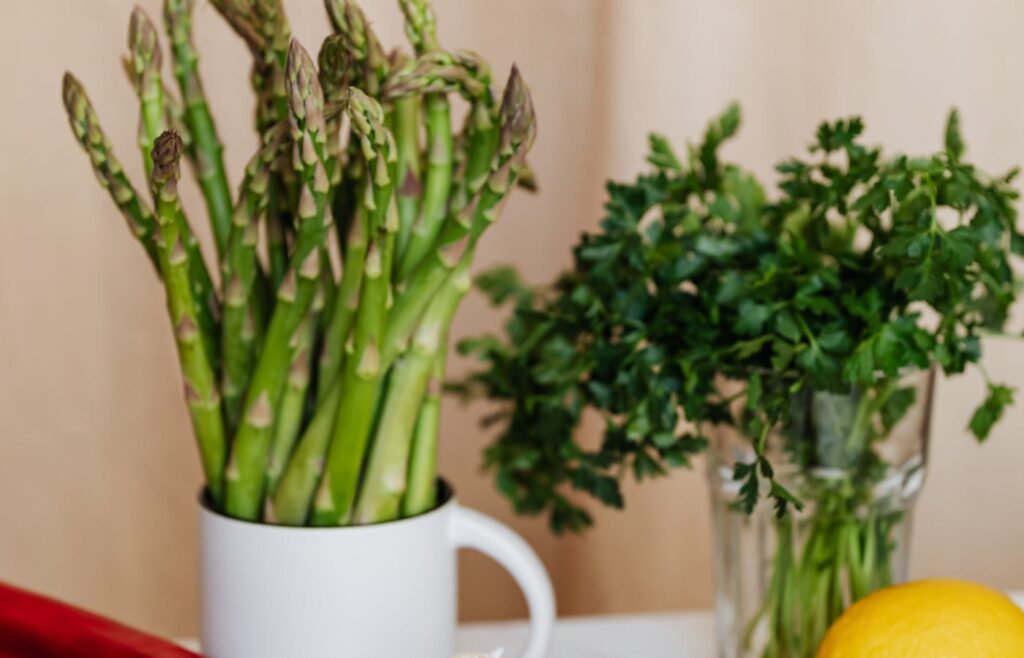
Hardy herbs such as rosemary and thyme can handle a loose wrap. Tender herbs such as parsley and cilantro often last better with stems in a small jar of water, loosely covered, and stored in the fridge. Basil is more sensitive to cold and often behaves better at room temperature with stems in water, away from harsh sun.
Leafy greens need enough moisture to avoid wilting, but not so much that leaves sit wet. A towel-lined container can help. Heads of lettuce often last longer when kept whole until needed. Chopped greens are convenient, but every cut edge dries or breaks down faster.
- Trim herb stem ends if they look dry before placing them in water.
- Replace slimy leaves immediately instead of leaving them in the bundle.
- Store washed greens only after they are thoroughly dried.
- Keep salad greens away from apples, bananas, and other ripening fruit.
Run a short produce freshness check twice a week
A short produce check prevents small problems from turning into a full drawer cleanout. It does not need to be a long kitchen project. Twice a week, open the fridge, pull the produce forward, and decide what should be eaten first, cooked soon, frozen, or discarded.
Start with the softest ingredients. Berries, herbs, salad greens, cut fruit, and chopped vegetables should get attention before roots, cabbage, apples, or squash. If something is almost past its best texture but still safe, move it into a meal where texture matters less. Soft tomatoes can become sauce. Tired herbs can become a quick dressing. Limp celery can go into soup stock.
This is also the moment to reset towels, remove excess moisture, and clear containers. A drawer with one forgotten leaking bag can damage produce that would otherwise last several more days. The check is small, but it protects the rest of the week.
- Move the oldest produce to the front of the fridge.
- Remove any spoiled pieces from bags or containers.
- Dry condensation from lids, drawers, and produce bags.
- Choose one meal that uses the most fragile item next.
- Freeze, cook, or prep anything that will not last two more days.
Knowing how to keep produce fresh longer comes down to a few repeatable decisions: sort early, avoid trapped water, use fridge zones, separate ripening fruit, and check the drawer before the week gets away from you. The food does not need a complicated system. It needs conditions that match how it naturally changes.