How to Store Leftovers Safely
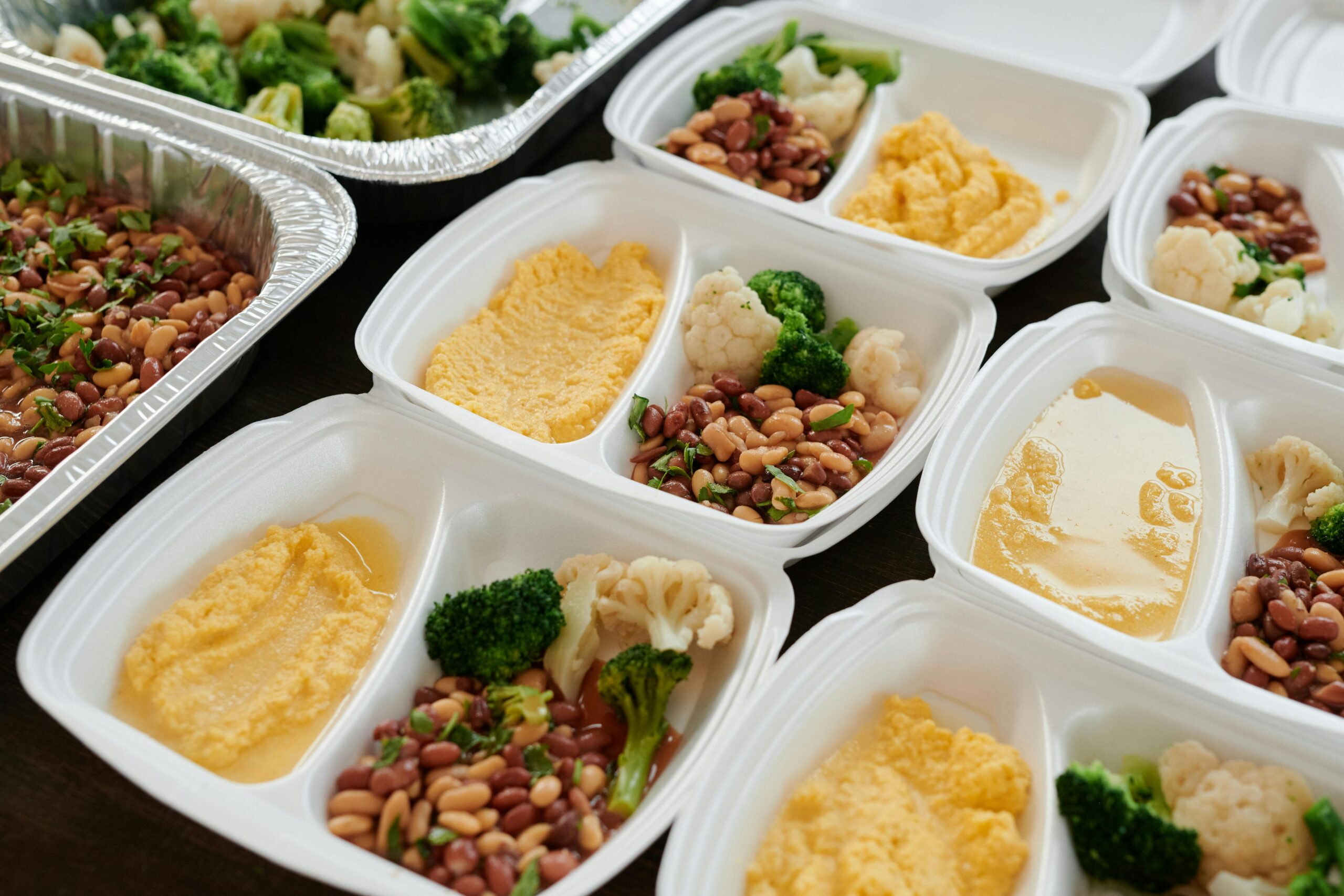
Leftovers can make the next meal easier, but they need a little structure before they go into the refrigerator. Food that sits out too long, cools slowly in a deep pot, or disappears into an unmarked container can become confusing by the time someone wants lunch the next day.
How to store leftovers safely starts with timing, container shape, labels, and a clear place in the refrigerator. The goal is not to make the kitchen feel complicated. It is to make the next decision obvious: what the food is, when it was cooked, how it should be reheated, and whether it still belongs in the fridge.
Cool leftovers quickly before storage
Leftovers should move from the serving stage to the storage stage while the meal is still fresh in your mind. Leaving a pot on the stove for hours makes it harder to know how long the food has been cooling and whether anyone already served from it again. A calm cleanup rhythm prevents that uncertainty.
Large batches cool slowly when they stay in a deep pot, especially soups, stews, rice dishes, beans, pasta, and casseroles. Divide them into smaller portions before placing them in the refrigerator. More surface area helps heat leave the food faster, and smaller containers are easier to use later without warming the whole batch again.
Do not seal very hot food so tightly that steam keeps building inside the container. Let the first burst of steam escape, then cover and refrigerate. If the food is still extremely hot, portion it into shallow containers first so the refrigerator is not asked to chill one heavy mass all at once.
This step also protects texture. Pasta that sits hot in sauce for too long can turn soft. Rice can clump. Vegetables can lose their color. Cooling quickly is partly about safety and partly about making tomorrow’s meal taste closer to what you cooked today.
Use shallow containers with tight lids
The container matters because leftovers need to cool, stack, and reheat predictably. Shallow containers are usually better than tall ones for cooked foods because the food is spread out instead of packed into a thick center. A shallow container of beans, soup, rice, or pasta is easier to chill and easier to portion later.
Tight lids keep refrigerator smells away from the food and stop small spills from turning into a shelf cleanup. They also make labels easier because the lid gives you a clear surface for tape, a marker, or a reusable label. Clear containers help even more because you can see what is inside without opening everything.
Useful leftover containers include:
- Shallow glass or plastic containers for rice, pasta, beans, soups, and cooked vegetables.
- Wide jars for sauces, broth, cooked grains, and small portions of soup.
- Divided containers for meals that should not mix before reheating.
- Freezer-safe containers for food you know will not be eaten soon.
- Small containers for toppings, dressings, chopped herbs, and sauces.
Avoid saving a tiny amount of food in a container so large that it gets pushed behind everything else. Match container size to the portion. When the container feels intentional, the leftover is more likely to be noticed, reheated, and eaten while it is still useful.
Label leftovers with dates and meal names
Labels are not only for people with perfect kitchen systems. They are for real refrigerators where three containers can look like the same stew after two days. A short label solves the two questions that make leftovers risky or wasteful: what is this, and when did it go in?
The label can be simple. Write the meal name and the storage date. If the food needs a special note, add it in a few words, such as “add broth,” “reheat covered,” “spicy,” or “for lunch.” This matters for mixed dishes that are hard to identify once cold, such as casseroles, curries, pasta bakes, beans, rice bowls, and sauces.
Use painter’s tape, masking tape, reusable labels, or a marker that works on the lid. The system does not need to be pretty. It needs to survive the refrigerator long enough for someone to make a safe decision without guessing.
A labeled container turns leftover storage from memory work into a visible kitchen cue.
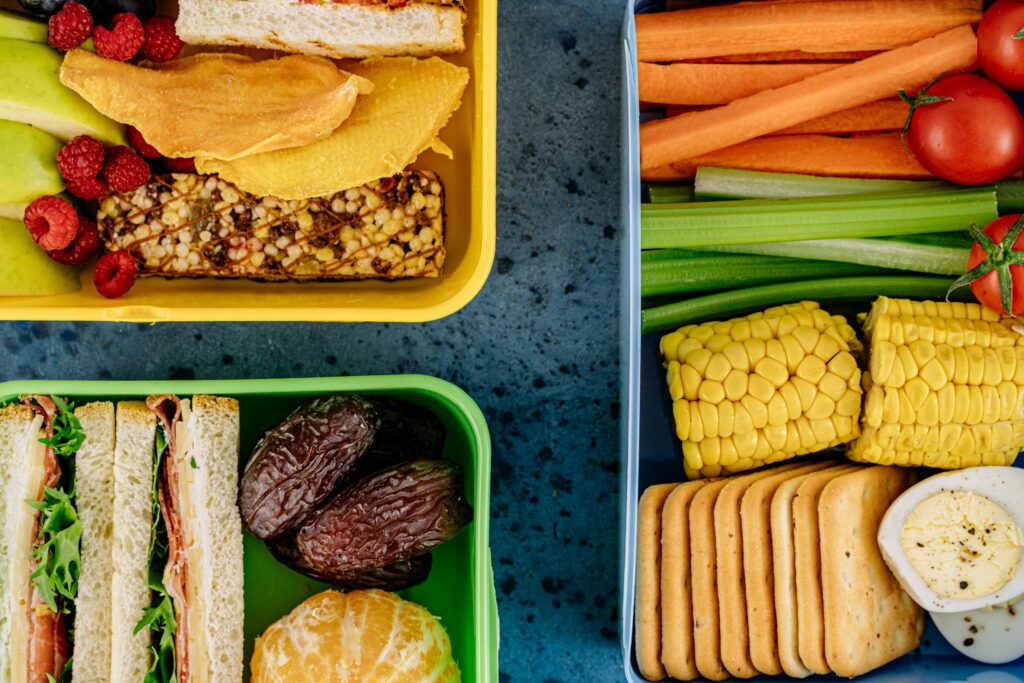
Labels also help with fairness in a shared kitchen. If one container is dinner for tomorrow and another is open for snacks, write that down. Clear notes reduce accidental eating, repeated opening, and the strange little mystery meals that sit untouched until cleanup day. That timing decision pairs well with a chicken-and-rice meal prep plan because a fast meal still needs texture, doneness, and cleanup to stay manageable.
Store leftovers in the right refrigerator zone
Where leftovers sit in the refrigerator affects how easy they are to find and how stable they stay. Keep cooked leftovers on a main shelf where the temperature is steady. The refrigerator door is better for condiments and drinks because it warms more often when the door opens.
Place newer leftovers behind older ones only if the older containers are still visible. Otherwise, use a simple first-in, first-out line: older food in front, newer food behind it. This makes the next meal easier and prevents a fresh container from hiding food that should be eaten first.
Keep raw meat, poultry, and seafood below ready-to-eat leftovers so drips cannot land on cooked food. Even when everything is wrapped, shelf order matters. Cooked rice, pasta, vegetables, beans, soups, and prepared lunches should not sit under raw packages that could leak.
A good refrigerator layout should answer the next-meal question quickly.
If your fridge is crowded, create one leftover zone rather than scattering containers across every shelf. A single zone is easier to scan before cooking something new. It also makes cleanup faster because you can check dates and portions in one pass.
Reheat leftovers until they are hot throughout
Reheating is not just warming the edges. Leftovers should be hot all the way through before they are served again, especially dense foods like casseroles, rice, beans, pasta, mashed potatoes, stews, and meat dishes. Stirring helps because cold spots can hide in the middle of a container.
Microwaves heat unevenly, so pause to stir or rotate the food. Add a small splash of water, broth, or sauce if the food is drying out. Cover the dish loosely so steam helps warm the center, but leave a vent so pressure does not build. Let the food stand briefly after microwaving so the heat can settle.
On the stovetop, use moderate heat and stir often. Soups and stews should bubble gently before serving. Rice, pasta, and beans may need a little liquid so they do not scorch. In the oven, spread food in an even layer when possible and cover it if the top browns before the center warms.
Only reheat the portion you plan to eat. Repeatedly warming and cooling the same large container makes the timeline harder to track and can damage texture. Portioning leftovers at storage time makes this much easier because tomorrow’s lunch is already separated from the rest.
Know when leftovers should be thrown out
Leftovers should not require debate every time the container opens. If the food smells sour, looks slimy, has visible mold, has changed color in a worrying way, or has been sitting too long for your household’s comfort, discard it. Saving a questionable portion is rarely worth the risk or the mental load.
Some foods are more delicate than others. Seafood, creamy sauces, cooked rice, poultry, eggs, and mixed dishes with several ingredients deserve extra attention. If a container was left out for a long time, was stored without a lid, or has no date and no one remembers when it was made, treat that uncertainty as useful information.
Common reasons to throw leftovers out include:
- The container has no date and nobody remembers when the food was cooked.
- The food smells sour, fermented, musty, or simply wrong for the dish.
- The surface is slimy, fuzzy, unusually wet, or visibly moldy.
- The lid was loose and the food absorbed strong refrigerator odors.
- The portion has already been reheated and cooled more than once.
Waste is frustrating, but old leftovers are not a savings plan. The better fix is upstream: smaller portions, clearer labels, a leftover zone, and a plan to eat the food before cooking another full meal.
Follow a simple leftover storage routine
A routine keeps safe storage from depending on memory after dinner. The steps should be short enough to repeat on a busy weeknight, because that is when leftovers often go wrong. The routine below works for soups, rice dishes, pasta, vegetables, casseroles, beans, cooked meats, and prepared lunches.
- Decide what should be saved before the food sits out too long.
- Move large batches into shallow containers instead of one deep pot.
- Let heavy steam escape briefly, then cover the containers.
- Write the meal name and storage date on the lid.
- Place the containers in a steady refrigerator zone, not the door.
- Put older leftovers in front so they are eaten first.
- Reheat only the portion needed and make sure it is hot throughout.
This routine also makes leftovers feel more useful. A dated container of rice, beans, pasta, soup, or cooked vegetables can become lunch, a side dish, or the base of a quick dinner. An unmarked container in the back of the fridge usually becomes a chore.
Safe leftover storage is mostly a chain of small decisions: cool food sooner, use shallow containers, label clearly, store it where it can be seen, reheat it fully, and discard it when the signs are poor. Once those decisions become automatic, leftovers stop feeling uncertain and start doing the job they were meant to do.