Easy Dinner Ideas with Few Ingredients
A short-ingredient dinner gets easier when the meal has a shape before the pan is hot. If the plan is only “something quick,” the kitchen can still feel crowded: one pan on the stove, three half-used sauces, a vegetable that needs trimming, and no clear finish line. A small formula solves that better than a long recipe list.
I like to think in combinations: one base, one protein, one vegetable, one sauce or seasoning, and one texture. That is enough for dinner on a normal night. It also makes substitutions easier when the fridge is not cooperating.
Build easy dinner ideas from a five-part formula
The easiest low-ingredient dinners usually follow a basic structure. Start with a base such as pasta, rice, tortillas, potatoes, bread, or salad greens. Add protein: eggs, beans, rotisserie chicken, canned tuna, tofu, ground meat, sausage, or cheese. Add one vegetable, fresh or frozen. Finish with a sauce, seasoning, or fat that makes the plate taste intentional.
That formula turns random ingredients into choices. Pasta plus eggs plus spinach plus parmesan becomes a fast skillet dinner. Rice plus beans plus salsa plus frozen corn becomes a bowl. Tortillas plus cheese plus leftover vegetables become quesadillas. Potatoes plus eggs plus onions become a simple hash. None of these need twelve ingredients to feel complete.
The trick is not minimalism for its own sake. It is choosing ingredients that do more than one job. Parmesan brings salt and richness. Salsa brings acid, spice, and moisture. Eggs bring protein and structure. Frozen vegetables bring color and speed. When every ingredient has a job, the dinner feels less like a compromise.
| Base | Add | Finish with |
|---|---|---|
| Pasta | Eggs or chicken | Olive oil, garlic, parmesan |
| Rice | Beans or tofu | Salsa, soy sauce, chili crisp |
| Tortillas | Cheese and vegetables | Hot sauce or yogurt |
| Potatoes | Eggs or sausage | Mustard, herbs, or butter |
Keep pasta, rice, and eggs ready for fast combinations
Pasta is the most forgiving low-ingredient dinner because it can carry a sauce, a vegetable, and a protein without much planning. Garlic and olive oil, tomato sauce and beans, butter and peas, tuna and lemon, or eggs and cheese can all work. Reserve a little pasta water before draining; it helps turn a dry mix into a glossy sauce without adding another product.
Rice works when you want a bowl rather than a plated recipe. Leftover rice can become fried rice with egg and frozen vegetables, a bean bowl with salsa, or a quick base for canned fish and cucumber. If you cook rice often, make extra on purpose. Cold rice is easier to turn into a skillet meal than fresh rice.
If rice is not ready, use the fastest base you have instead of waiting on the ideal one. Couscous, noodles, toast, tortillas, or microwave potatoes can carry the same toppings. The dinner does not fail because the base changed. It fails when every ingredient waits for a plan that no longer fits the night.
Eggs are the backup plan that still feels like dinner. A frittata, omelet, egg sandwich, rice bowl with a fried egg, or potato hash can use the small things left in the fridge. On tired nights, I would rather make eggs well than force a complicated dinner badly. Add toast, salad greens, or fruit if you need the plate to feel more complete, a practical kitchen habit supported by University of Minnesota food safety guidance.
Turn vegetables into dinner with one strong flavor
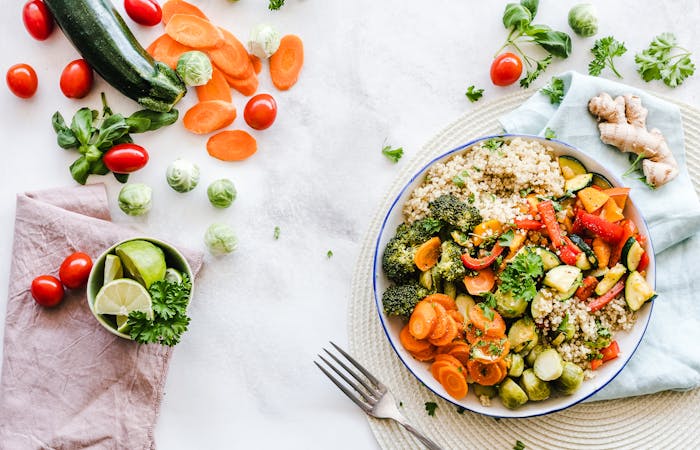
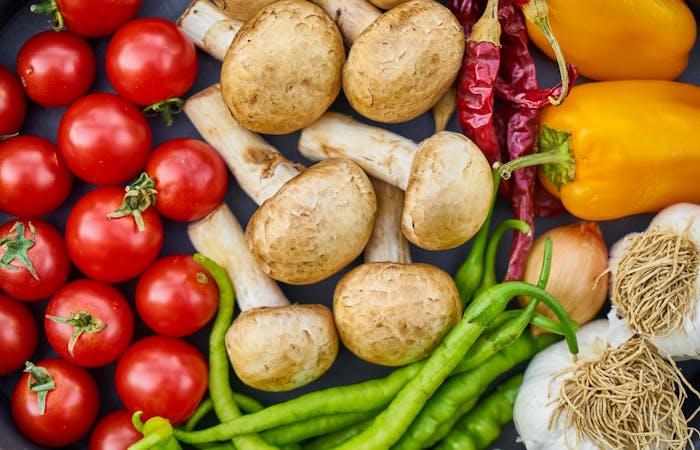
Vegetables become easier when you stop asking them to carry the meal alone. Pair them with one strong flavor: garlic butter, soy sauce, lemon, pesto, taco seasoning, curry paste, tomato sauce, sesame oil, or a spoonful of yogurt with herbs. A tray of roasted vegetables is fine; roasted vegetables with rice and a sharp sauce is dinner. Few-ingredient dinners are easier to stretch when a rice-and-beans budget meal shows how a cheap base can still feel complete.
Frozen vegetables are not a downgrade for weeknights. Peas, corn, spinach, broccoli, green beans, and mixed vegetables can go straight into skillets, soups, pasta, and rice. They are already washed and cut, which often matters more than culinary romance at 7 p.m. Just cook off extra water so the final dish is not soggy.
Choose one main flavor lane before adding ingredients: lemon and herbs, soy sauce and sesame, tomato and garlic, chili and lime, or butter and black pepper. That decision keeps a short ingredient list from tasting random and stops the habit of adding five sauces because dinner feels unfinished.
- Spinach wilts into pasta, eggs, soup, or rice.
- Frozen peas work with buttered noodles, tuna, or parmesan.
- Broccoli can become a sheet-pan side or a rice bowl topping.
- Tomatoes can turn eggs, beans, or pasta into a saucy meal.
If the plate tastes flat, check salt, acid, and fat before adding more ingredients. A squeeze of lemon, a little vinegar, olive oil, butter, or cheese may fix the meal faster than opening another package.
Texture helps too. A soft bowl of rice, beans, and vegetables feels better with toasted seeds, crushed chips, cucumber, scallions, or a fried egg edge. You do not need many toppings; one crunchy or fresh element can make a simple meal feel finished.
Stock a small pantry that creates many dinners
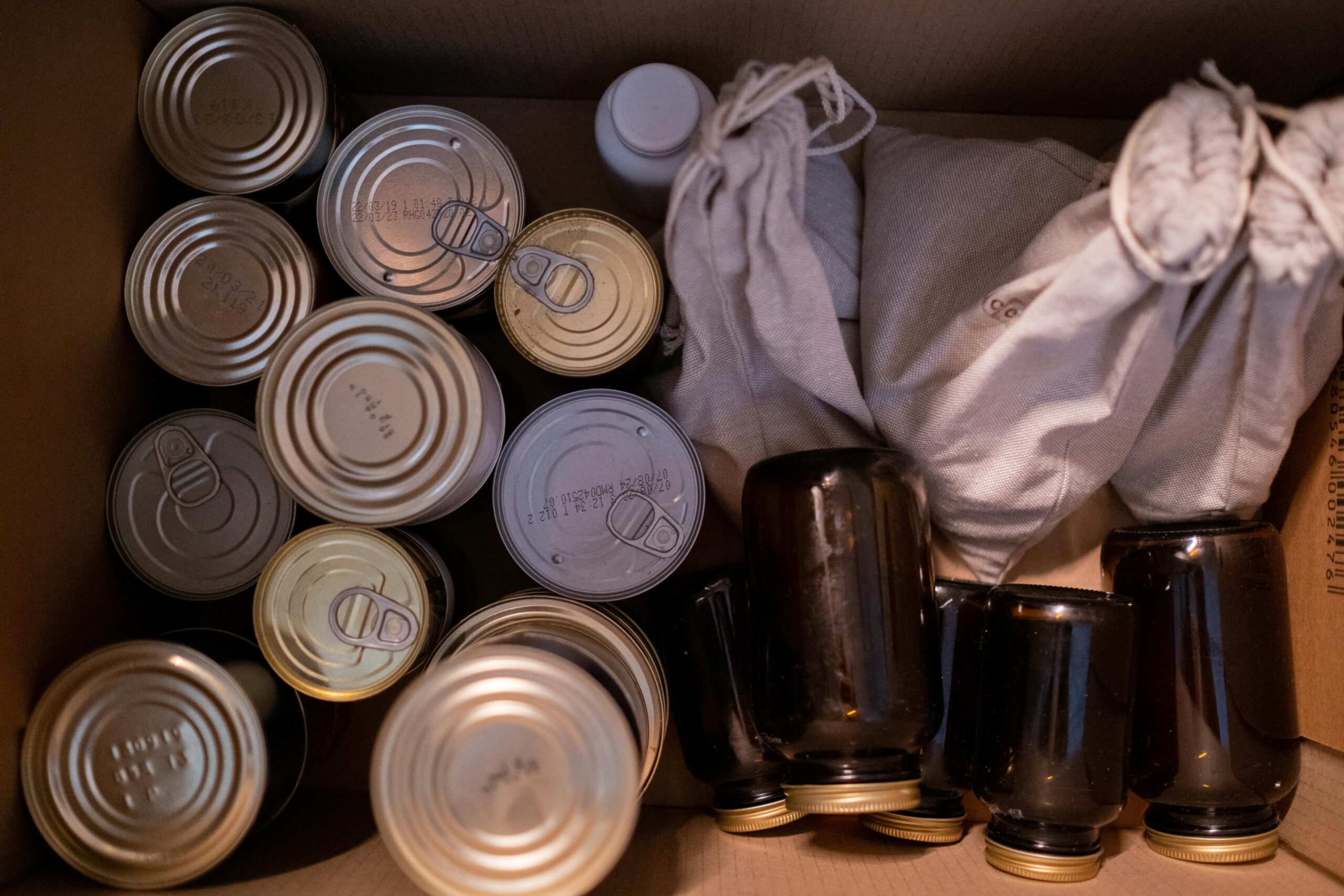
A useful pantry is not huge. For few-ingredient dinners, stock items that combine easily: pasta, rice, beans, canned tomatoes, canned tuna or salmon, tortillas, broth, peanut butter, soy sauce, olive oil, vinegar, and a few seasonings you actually use. Add freezer basics such as vegetables, bread, chicken pieces, or dumplings if they fit your routine.
Think in repeatable pairs. Beans and rice. Pasta and tomato. Eggs and tortillas. Tuna and bread. Chicken and frozen vegetables. Potatoes and cheese. These pairs are not full recipes yet, but they are halfway to dinner. When you shop, fill the missing side of the pair instead of buying random ingredients that do not connect.
Also keep one emergency dinner that uses only shelf-stable food. Pasta with canned tomatoes and beans, rice with canned tuna and soy sauce, or tortillas with beans and jarred salsa can save a night when produce is gone. It is not glamorous, but it keeps takeout from becoming the only option. A short dinner list works better when beginner kitchen tips keep the cooking method simple and predictable.
For sauces, choose three directions: one creamy, one bright, one savory. Yogurt or tahini can be creamy. Lemon, vinegar, salsa, or pickles can be bright. Soy sauce, pesto, bouillon, or parmesan can be savory. With those on hand, the same rice bowl or pasta can taste different enough to repeat without feeling stuck.
Use leftovers as ingredients, not as a second-class meal
Leftovers get easier when you rename them. Roasted vegetables are a quesadilla filling. Cooked chicken is pasta protein. Rice is tomorrow’s skillet base. Beans are taco filling. A small amount of sauce is a sandwich spread. This mindset prevents the fridge from filling with containers that feel too boring to reheat.
The useful question is what the leftover is missing. Dry leftovers may need sauce or broth. Soft leftovers may need crunch. Bland leftovers may need acid, herbs, or spice. Thinking this way keeps dinner from feeling like a reheated compromise.
Labeling helps if more than one person cooks. A container marked “rice for bowls” is more useful than an anonymous box. If you know the leftover’s next job, you are more likely to use it before it turns into a small guilt project at the back of the fridge.
Keep food safety in mind: cool leftovers promptly, store them covered, and reheat thoroughly when needed. If something smells off, looks slimy, or has been forgotten too long, do not gamble with it. A cheap dinner is not worth feeling sick.
- Choose a base such as rice, pasta, eggs, bread, or potatoes.
- Add one protein or filling ingredient.
- Add one vegetable, fresh or frozen.
- Use one strong flavor: salsa, lemon, garlic, soy sauce, cheese, herbs, or chili oil.
The best low-ingredient dinner is the one you can repeat with confidence. Stop before the meal becomes complicated, and let that simple rhythm carry a normal weeknight.