Quick Chicken Dinner Ideas for Families
Chicken is useful for family dinners because it can move in many directions: rice bowls, pasta, wraps, skillet meals, soups, salads, and sheet pan dinners. It also becomes boring quickly if every meal follows the same pattern. The goal is to keep the method simple while changing texture, sauce, and serving style.
Quick chicken dinners start before the pan is hot. Thin pieces cook faster, leftovers need a plan, and a few pantry sauces can turn plain chicken into something the table actually wants to eat.
For families, the winning dinner is often adjustable. One person may want extra sauce, another may want plain rice, and someone else may turn the same chicken into a wrap. Build the chicken well, then let the plate format flex around the people eating.
That flexibility also reduces waste. Leftover chicken can become lunch, soup, or a quick topping the next day, but only if it was cooked, cooled, and stored with a plan. Thinking one meal ahead makes fast dinners feel less like a nightly emergency.
Keep the plan simple enough to explain while tired, because that is when most family dinner decisions happen after work, school, errands, homework, late appointments, cleanup, hungry questions, and everyone hovering nearby already waiting.
Choose cuts that cook quickly and evenly
If the chicken is frozen, plan a safe thaw rather than forcing dinner to happen from a solid block. Thin pieces can thaw faster in the refrigerator, and cooked leftovers can cover the night when raw chicken is not ready.
For extra speed, portion chicken before freezing. Flat freezer bags thaw more evenly than a thick package, and smaller portions help you cook only what the family needs.
Boneless chicken thighs, thin chicken cutlets, tenders, and bite-size pieces are friendly for weeknights. Thick chicken breasts can work, but they need more time and can dry out if the outside cooks long before the center. If you have thick breasts, slice them horizontally or pound them to an even thickness before cooking.
Keep seasoning simple when time is short. Salt, pepper, garlic powder, paprika, lemon, Italian seasoning, taco seasoning, or a small amount of soy sauce can do a lot. Even thickness matters as much as the seasoning. Chicken that cooks evenly is easier to keep juicy and safer to serve.
| Chicken option | Fast dinner use |
|---|---|
| Thin cutlets | Skillet sandwiches or pasta |
| Chicken thighs | Rice bowls or sheet pan meals |
| Rotisserie chicken | Wraps, soup, salads, and quesadillas |
| Chicken tenders | Quick saute or oven strips |
Turn one skillet into several dinner styles
Keep a few neutral seasonings and a few strong sauces. Neutral chicken can become pasta, bowls, or wraps. Strongly seasoned chicken is great too, but it gives you fewer options if someone changes their mind at the table.
Sauces can be mixed in small bowls while the chicken cooks. A quick blend of broth, lemon, mustard, salsa, or yogurt can change the meal without adding a complicated recipe or forcing every serving to taste exactly the same.
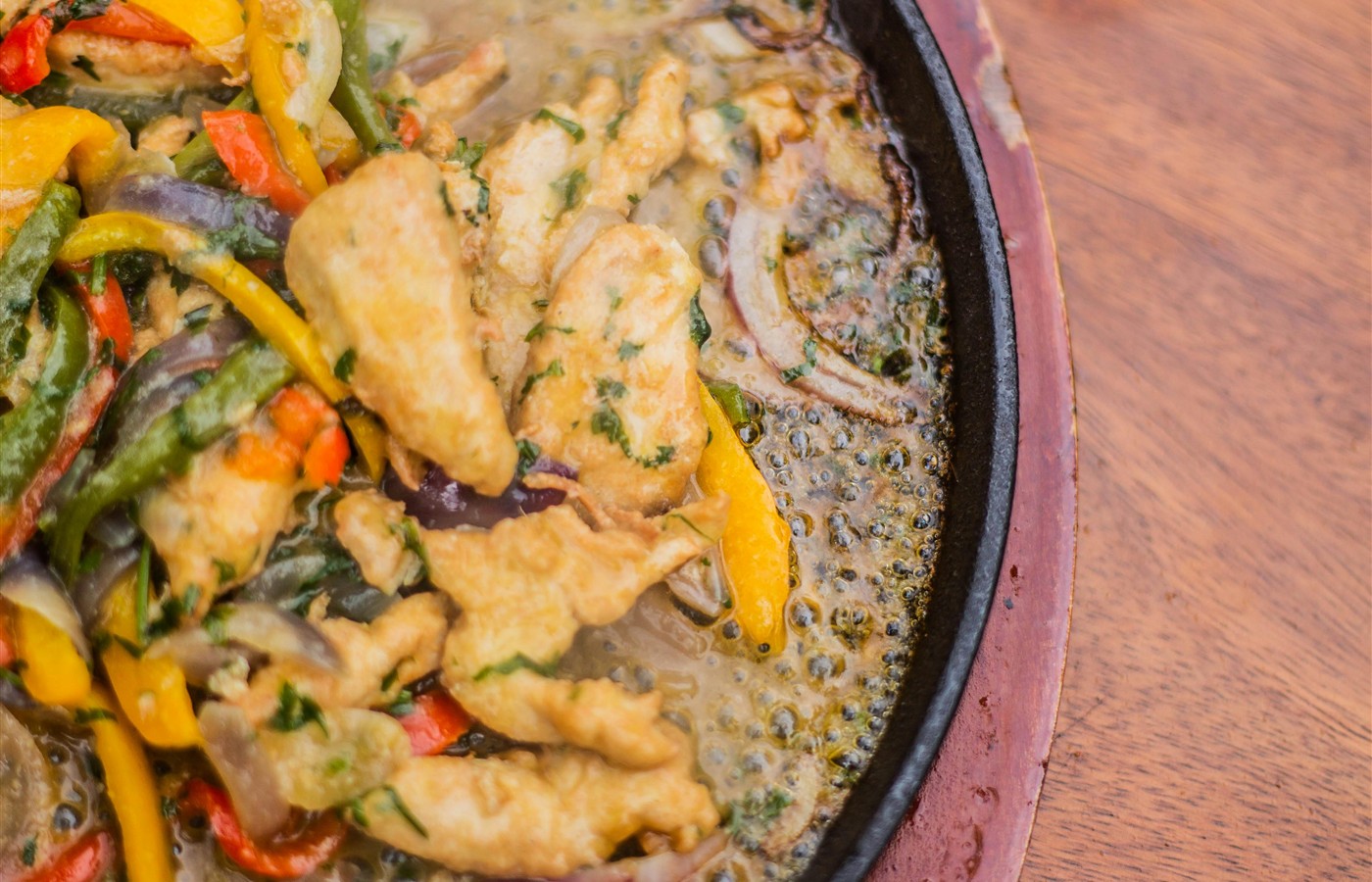
A skillet can handle chicken pieces, vegetables, and sauce quickly. Brown the chicken first, remove it if needed, cook vegetables in the same pan, then return the chicken with sauce. Serve it over rice, noodles, tortillas, salad greens, or toasted bread. The base changes the meal without changing the cooking method much.
Try chicken with peppers and onions for fajita bowls, chicken with broccoli and soy-honey sauce for rice, chicken with tomatoes and spinach for pasta, or chicken with mushrooms and a splash of broth for mashed potatoes. If the family has mixed preferences, keep the base plain and let people add toppings at the table.
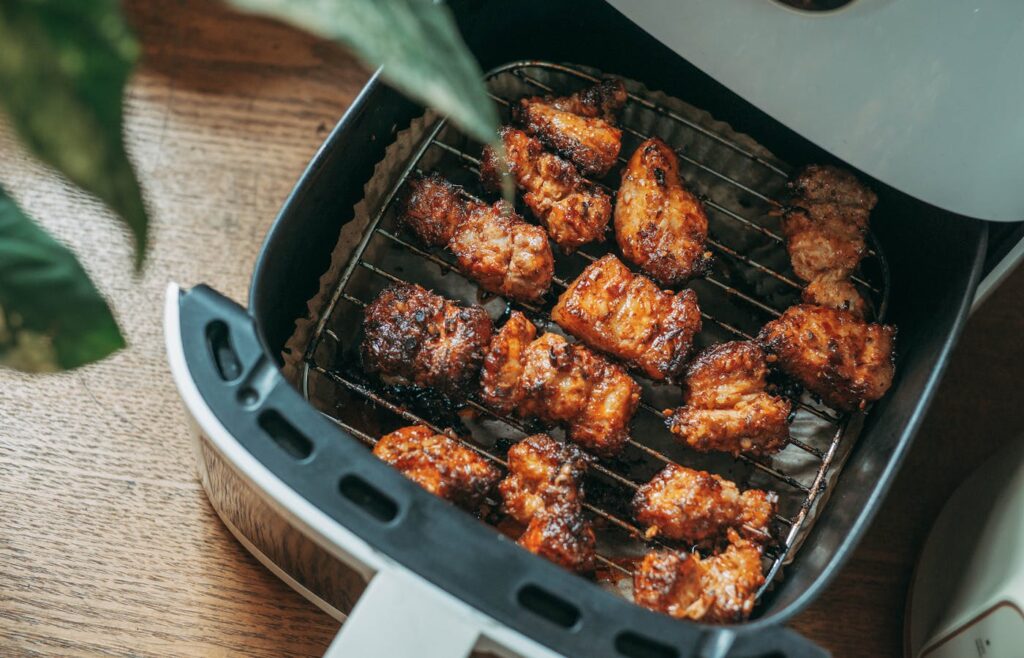
Use cooked chicken when dinner needs to be very fast
Label leftovers when possible. A small date on the container prevents the fridge from becoming a guessing game. Cooked chicken is most useful when you can trust when it was made and what flavor it already has.
Use leftover chicken in meals where dryness is less noticeable. Soups, sauced pasta, quesadillas, and casseroles are more forgiving than simply reheating a plain breast on a plate. Chicken dinners are easier to repeat when 30-minute dinner ideas keep the rest of the meal from becoming too complicated.
Rotisserie chicken and planned leftovers can save a busy evening. Pull the meat from the bone while it is still easy to handle, store it safely, and use it in meals that need heating rather than full cooking. Quesadillas, fried rice, soup, chicken salad, pasta, baked potatoes, and wraps all work with cooked chicken.
Do not leave cooked chicken sitting out through the evening. Cool and refrigerate leftovers promptly in shallow containers. When reheating, heat until steaming hot. If the chicken smells off, feels slimy, or has been stored too long, skip it. Fast dinner should not mean gambling with leftovers.
- Use shredded chicken in tacos.
- Add diced chicken to soup.
- Fold chicken into pasta with vegetables.
- Make rice bowls with sauce and toppings.
Keep food safety simple and non-negotiable
A thermometer is especially useful for family cooking because pieces may be different sizes. Check the thickest piece, then let the pan sit briefly so juices settle and smaller pieces do not dry out.
Clean as you go after raw chicken touches the board. Move the chicken to the pan, wash hands and tools, then finish vegetables or toppings. That rhythm keeps the kitchen safer.
Raw chicken needs clean handling. Use a separate cutting board if possible, wash hands and tools after contact, and avoid splashing juices around the sink. The USDA safe minimum internal temperature for chicken is 165 degrees Fahrenheit. A thermometer is the easiest way to know, especially when pieces are thick or covered in sauce.
Color alone can mislead you. Chicken can look white before every part is safely cooked, and sauces can hide pink areas. Insert the thermometer into the thickest part, away from bone if there is one. Let larger pieces rest briefly so juices settle before slicing.
Safety does not have to slow dinner down. It becomes part of the rhythm: prep cleanly, cook evenly, check temperature, and store leftovers quickly.
Make family dinners flexible instead of complicated
Flexible serving also helps picky eaters without making a second dinner. Keep sauce on the side, separate crunchy toppings, and offer a plain base. The meal stays shared while each plate gets adjusted.
Let kids or family members choose from toppings when possible. Choice at the end can reduce complaints without changing the cooked chicken or making a separate meal.
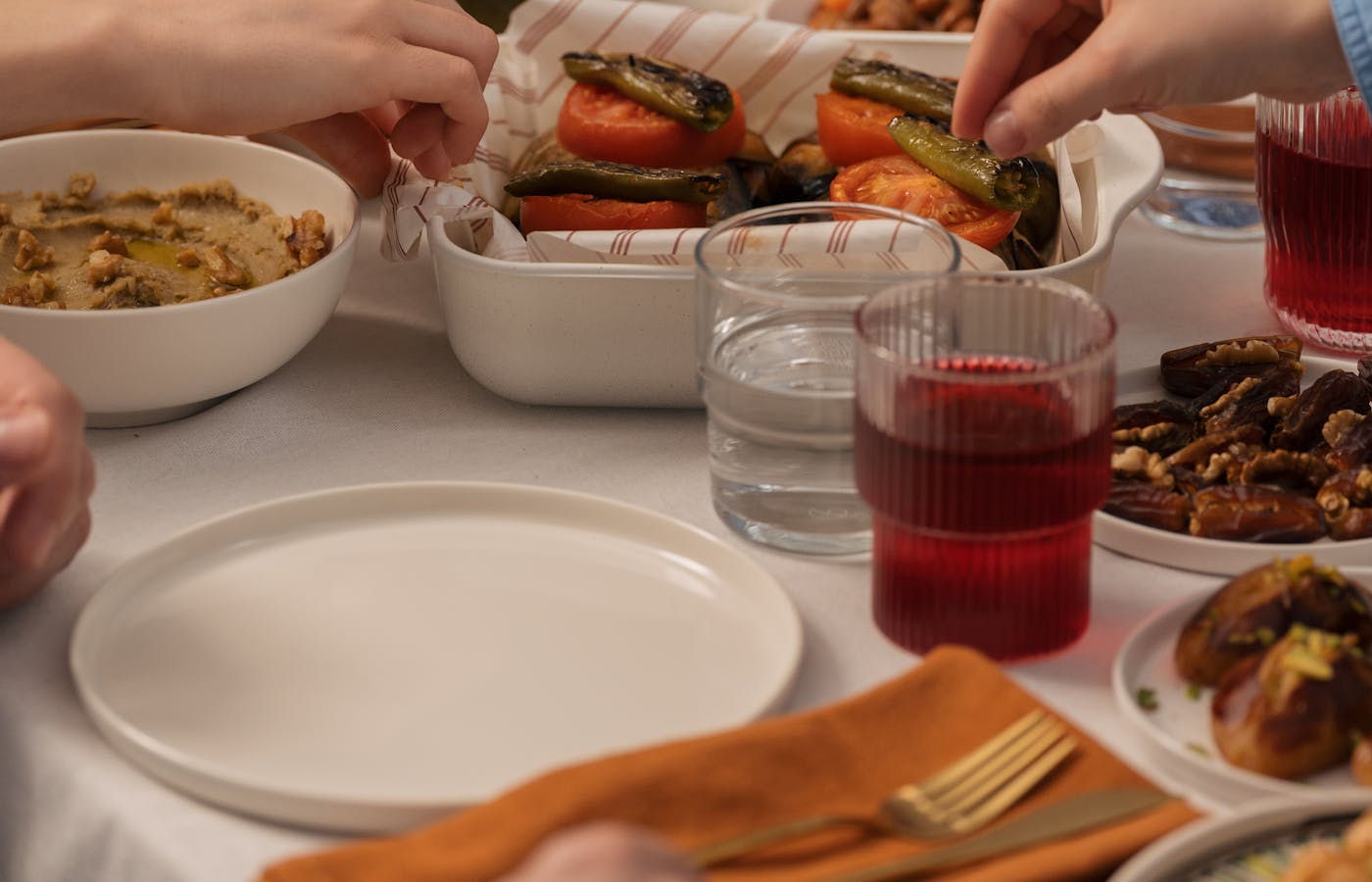
Family chicken dinners are easier when one cooked component can serve several plates. Put seasoned chicken on the table with rice, tortillas, lettuce, sauce, cheese, beans, vegetables, or noodles. One person can make a bowl, another can make a wrap, and another can eat chicken with vegetables. That keeps dinner unified without forcing everyone into the exact same plate.
Keep a short list of repeatable combinations. Lemon chicken with rice, salsa chicken tacos, chicken pasta with spinach, honey-garlic chicken with broccoli, and chicken soup with noodles can cover many nights. The list does not need to be long. It needs to be trusted when the day has been long.
For a flexible family plate, cook chicken evenly, choose one base, keep sauces or toppings separate when needed, and label leftovers before they become a guessing game.
A quick chicken dinner succeeds when it is safe, warm, flexible, and easy to repeat on the kind of night a family actually has.