Easy Breakfast Ideas for Kids Before School
School mornings rarely leave room for complicated cooking. Kids may be sleepy, bags may still need packing, and the kitchen can get busy before anyone has fully woken up. A useful breakfast does not need to look impressive. It needs to be quick, filling enough, and easy to repeat without turning the morning into a project.
These easy breakfast ideas for kids before school focus on simple combinations that work on real mornings. The best school breakfast is usually a small formula, not a brand-new recipe. Once you know a few dependable pairings, you can rotate toast, oats, yogurt, eggs, fruit, and make-ahead options without asking everyone to decide from scratch.
Start with a simple breakfast formula
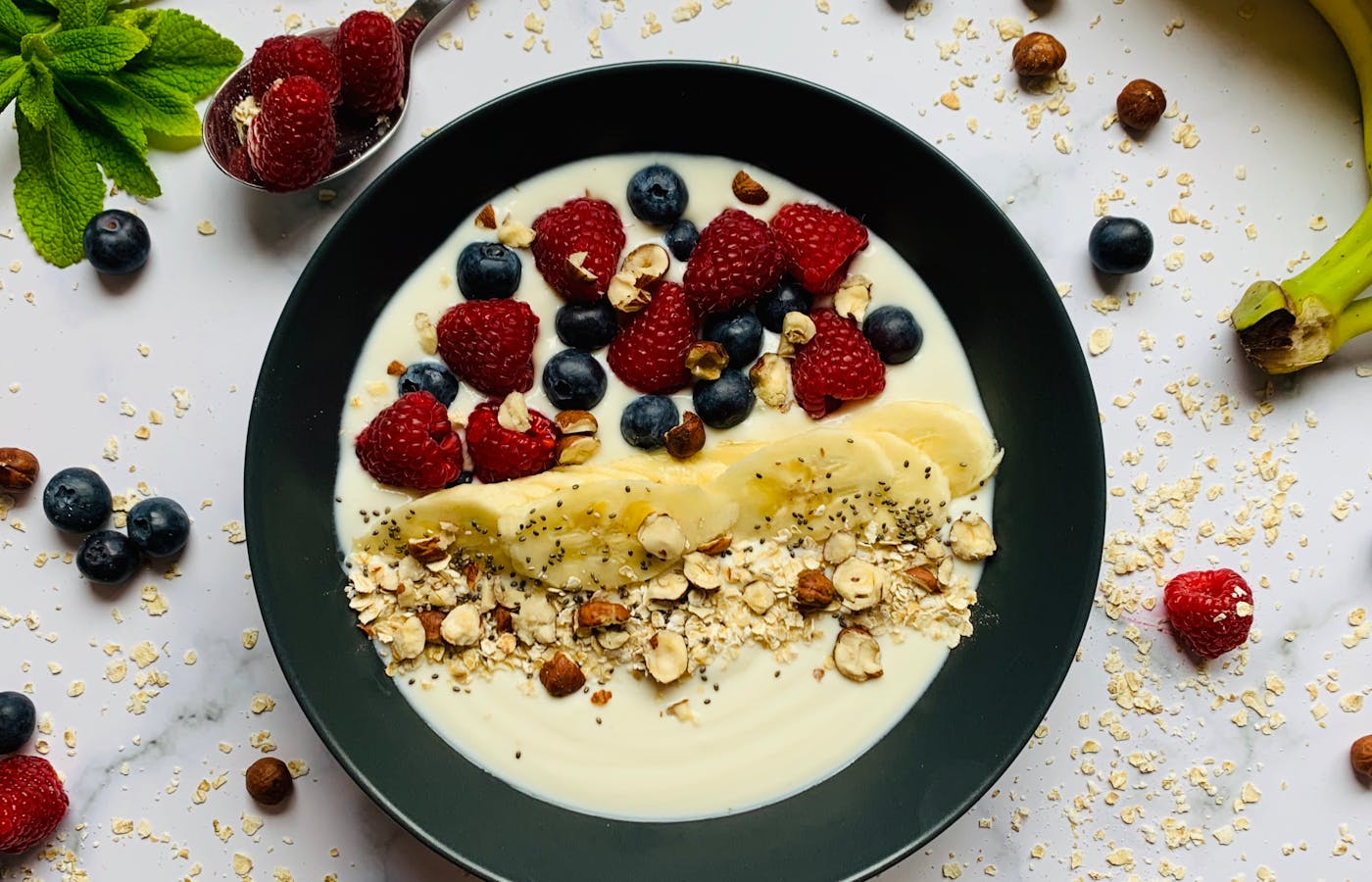
A practical breakfast formula is easier than a long recipe list. Choose one main item, one protein or filling ingredient, and one fruit or vegetable when possible. Toast with nut or seed butter and banana, yogurt with granola and berries, oatmeal with milk and fruit, or an egg with toast can all fit that pattern.
The formula matters because kids often need breakfast to feel familiar. If every morning has a different set of flavors, textures, and steps, breakfast can become another decision. A small rotation gives variety without making the child feel surprised every day.
Keep the portions realistic. A child who eats lightly before school may do better with yogurt and fruit than a large hot breakfast. A child with a long morning may need oats, eggs, or toast with a filling topping. Watch what actually gets eaten and adjust from there.
Pick quick options that can be mixed and matched
Quick breakfasts work best when the pieces are already familiar. A bowl, toast, or small plate can change with toppings while the basic routine stays the same. That makes it easier to use what is in the fridge without making breakfast feel random.
| Base | Easy add-on | Why it works before school |
|---|---|---|
| Oatmeal | Banana, berries, or cinnamon | Warm, filling, and easy to portion |
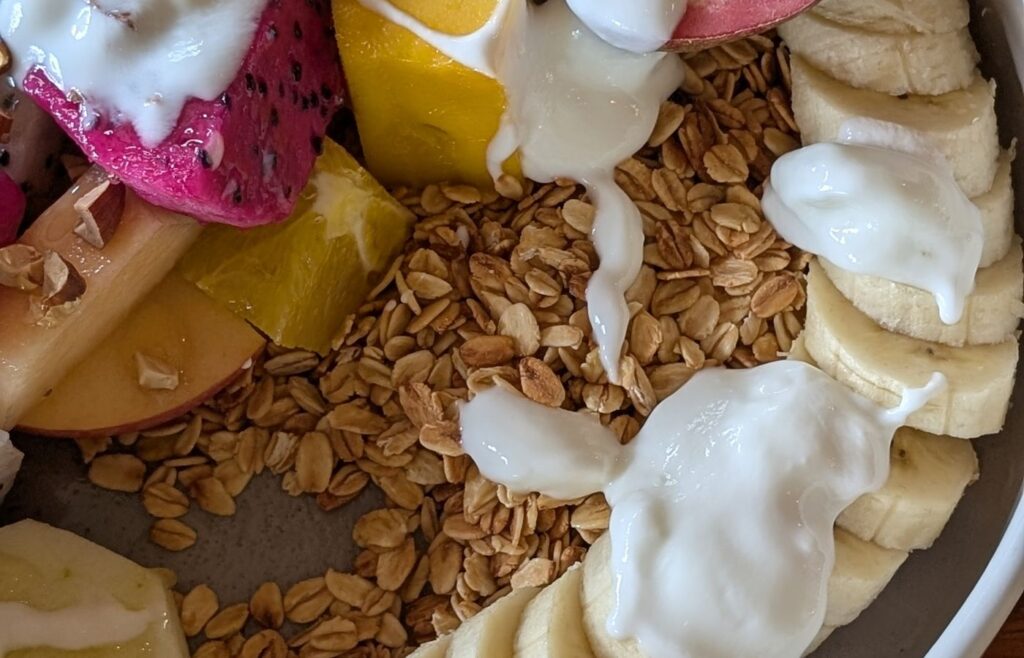
| Yogurt | Granola, fruit, or seeds | Fast, cool, and low-mess |
| Toast | Nut butter, avocado, egg, or cheese | Simple to hold and customize |
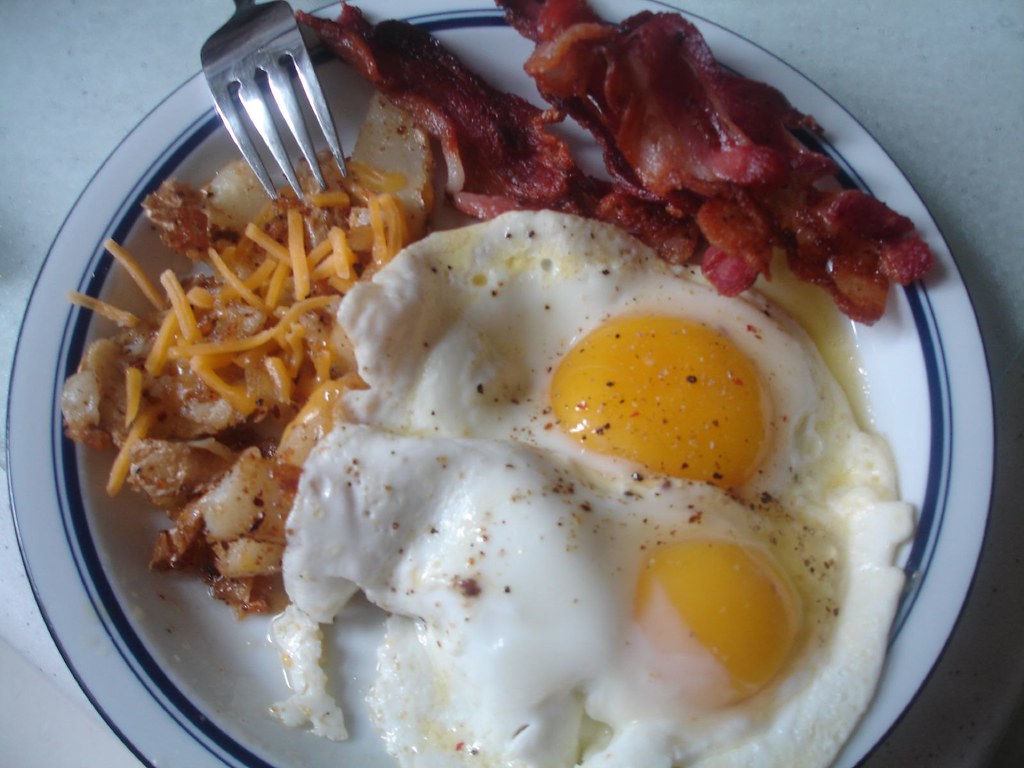
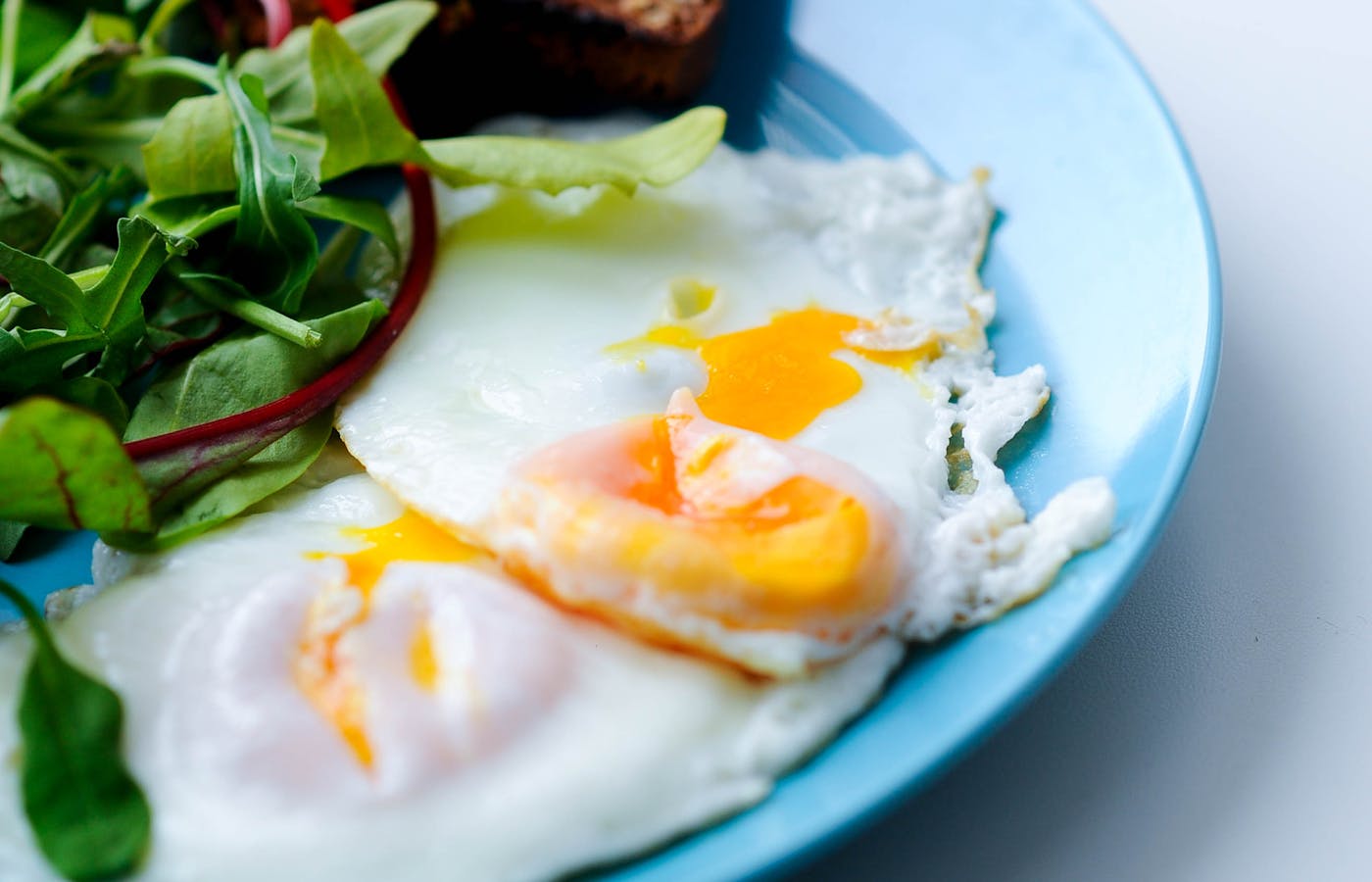
| Eggs | Toast, fruit, or leftover potatoes | Good when the morning needs more protein |
| Smoothie | Fruit, yogurt, milk, or oats | Helpful for kids who do not want to chew much early |
Try two or three combinations first instead of filling the kitchen with too many options. A smaller menu is often calmer for kids and easier for adults to prepare.
It also helps to keep toppings visible and simple. If fruit is already washed, granola is easy to scoop, and spreads are in one spot, a child can help choose without slowing the whole kitchen down.
Make toast work harder on busy mornings
Toast is useful because it cooks quickly and can become sweet, savory, soft, or crunchy. Whole-grain toast with peanut butter or a peanut-free spread and sliced banana is a simple option. Toast with scrambled egg, cheese, avocado, or cottage cheese can feel more filling without adding many steps.
The trick is to avoid toppings that slide off or take too long to assemble. If breakfast has to be eaten quickly, keep toast pieces manageable. Cut them into halves or strips for younger kids, and put messy toppings in a small bowl on the side when needed.
Toast can also be a backup when the planned breakfast fails. If oatmeal feels too slow or yogurt is not appealing, toast with one reliable topping can still get breakfast on the table.
For kids who get bored with the same breakfast, change one part at a time. Keep the bread the same but switch banana for berries, cheese for avocado, or scrambled egg for boiled egg slices. Small changes are easier to accept than a completely new plate.
Prep a few breakfast pieces the night before
Night-before prep does not have to mean a full meal-prep session. It can be as small as washing berries, portioning yogurt, setting out bowls, boiling eggs, or putting oats and milk in a container. The goal is to remove one or two decisions from the morning.
Overnight oats, boiled eggs, fruit cups, and pancake or waffle leftovers can make school mornings smoother. Store anything perishable in the refrigerator and label containers if several breakfasts look similar. Keep toppings separate when they would get soggy overnight.
- Wash and dry berries before the school week starts.
- Portion yogurt into small containers.
- Boil a few eggs for quick protein.
- Freeze extra pancakes or waffles in flat layers.
- Set bowls, spoons, and lunch items in one zone.
Choose prep that solves your actual morning problem. If cleanup is the issue, set out dishwasher-safe bowls. If decisions are the issue, write three breakfast choices on a small note. If time is the issue, make the main item ahead and leave only toppings for morning. The same planning helps in high-protein breakfast ideas without much cooking, where the meal has to be simple before the day starts moving.
Plan for picky or low-appetite mornings
Some kids are hungry the moment they wake up. Others need time before food sounds good. For low-appetite mornings, choose smaller breakfasts that still offer some fuel: a banana with yogurt, toast with a spread, a smoothie, or a small bowl of oatmeal. A child can always eat more later if the school schedule allows a snack.
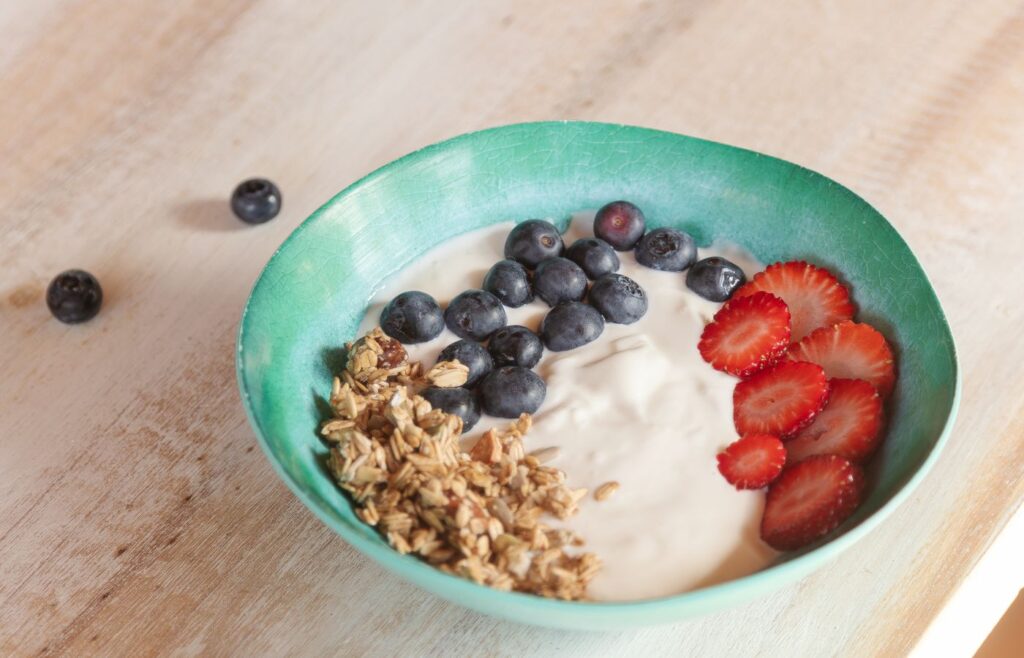
Picky mornings often improve when breakfast choices are limited but real. Offer two options, such as yogurt bowl or toast, instead of asking an open-ended question. That gives the child some control without turning the morning into a negotiation.
A breakfast that gets eaten calmly is usually better than a perfect breakfast that creates a fight. Keep the goal practical: enough energy, a manageable routine, and a child who can leave the house without breakfast becoming the hardest part of the day.
Use a repeatable school-morning routine
A routine helps breakfast move even when everyone is tired. Put the most common breakfast items in predictable places, and keep the morning menu short. If the same three or four options are always available, kids learn what to expect and adults can prepare faster.
- Choose the breakfast category the night before: toast, oats, yogurt, eggs, or smoothie.
- Set out nonperishable items before bed.
- Wash or portion fruit when possible.
- Serve the main item before adding extras.
- Keep drinks, napkins, and backpacks away from the cooking area.
- Notice which breakfasts are actually eaten and repeat those more often.
This routine does not have to be strict. It simply gives the morning a path. Once the family knows the path, it is easier to swap ingredients without losing time.
Keep school breakfast realistic and flexible
There will be mornings when the plan does not happen. Someone wakes up late, the fruit is gone, or the child rejects the option that worked yesterday. That is when backup breakfasts matter. Keep at least one shelf-stable or freezer-friendly option available so the morning does not collapse around one missing ingredient.
Easy breakfasts for kids before school should support the day, not add pressure to it. Build a short list of reliable meals, prep the pieces that slow you down, and rotate the ideas that your child actually eats. That creates a breakfast rhythm that can survive busy mornings, changing appetites, and full school weeks.
As the routine settles, keep notes in your head about what works. If a child always eats yogurt on sports days or prefers toast on test mornings, use that pattern. Breakfast planning gets easier when it follows real behavior instead of an ideal menu.