Budget Breakfast, Lunch, and Dinner Ideas
Budget meals get easier when the whole day has a plan. Breakfast, lunch, and dinner do not need three separate shopping lists, three different cooking moods, or three expensive sets of ingredients. A few low-cost staples can move through the day if each meal has a clear job.
Good budget breakfast lunch dinner ideas start with anchors: a filling breakfast, a lunch that uses cooked food wisely, and a dinner that can stretch without feeling like the same plate again. Eggs, oats, rice, beans, pasta, potatoes, frozen vegetables, canned goods, and simple proteins can cover more ground than they seem to at first.
The goal is to make each meal reliable enough that takeout becomes less tempting, even on an ordinary weekday.
Build breakfast around filling basics
Breakfast is the easiest meal to overspend on if every morning depends on packaged bars, coffee shop food, or single-serving convenience items. A cheaper breakfast usually starts with one filling base and one small add-on for flavor or protein.
Oats, eggs, toast, yogurt, rice, tortillas, peanut butter, bananas, apples, cottage cheese, and leftover potatoes can all become low-cost breakfasts. The trick is keeping the meal simple enough to repeat without getting bored after two days.
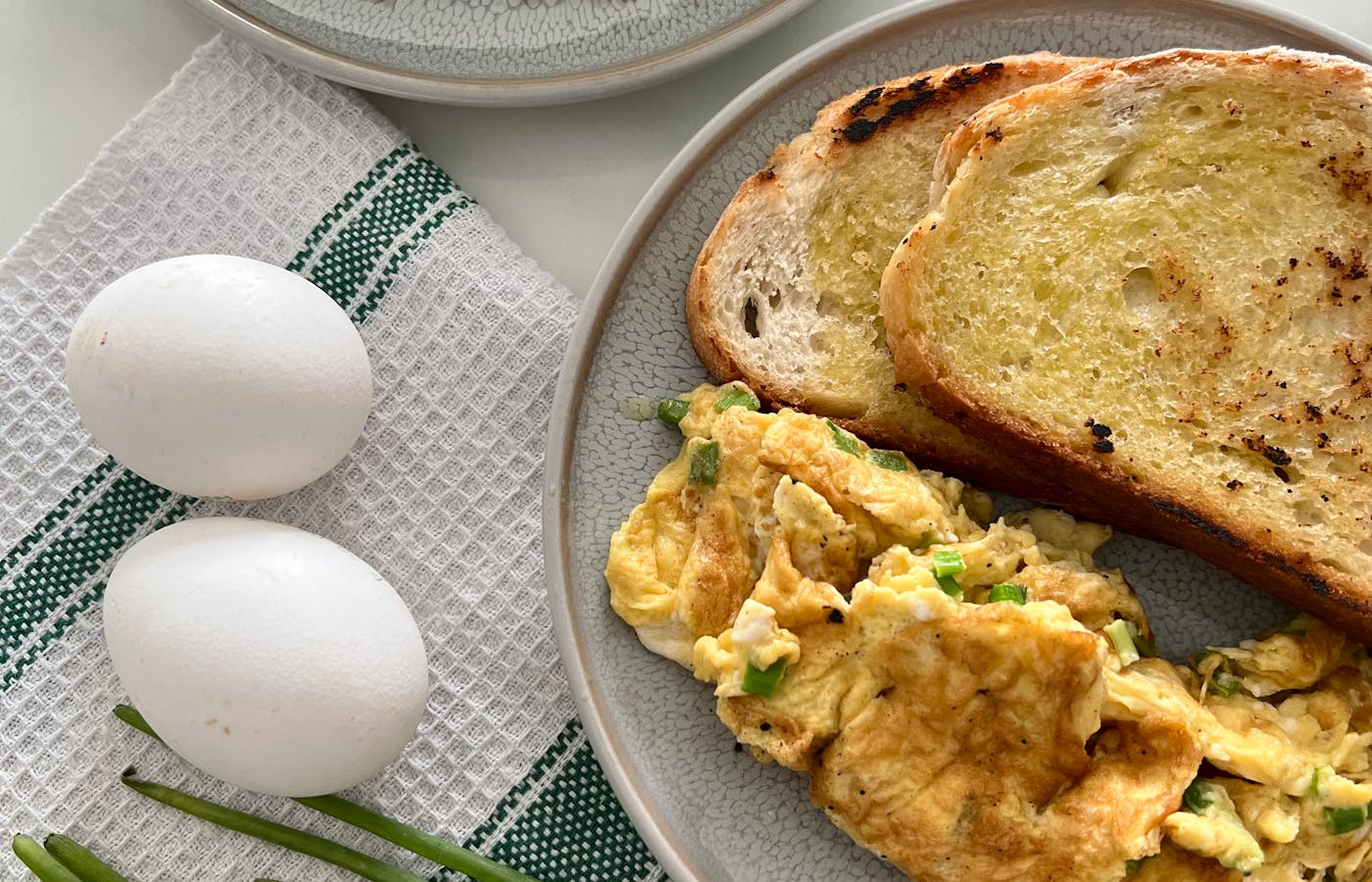
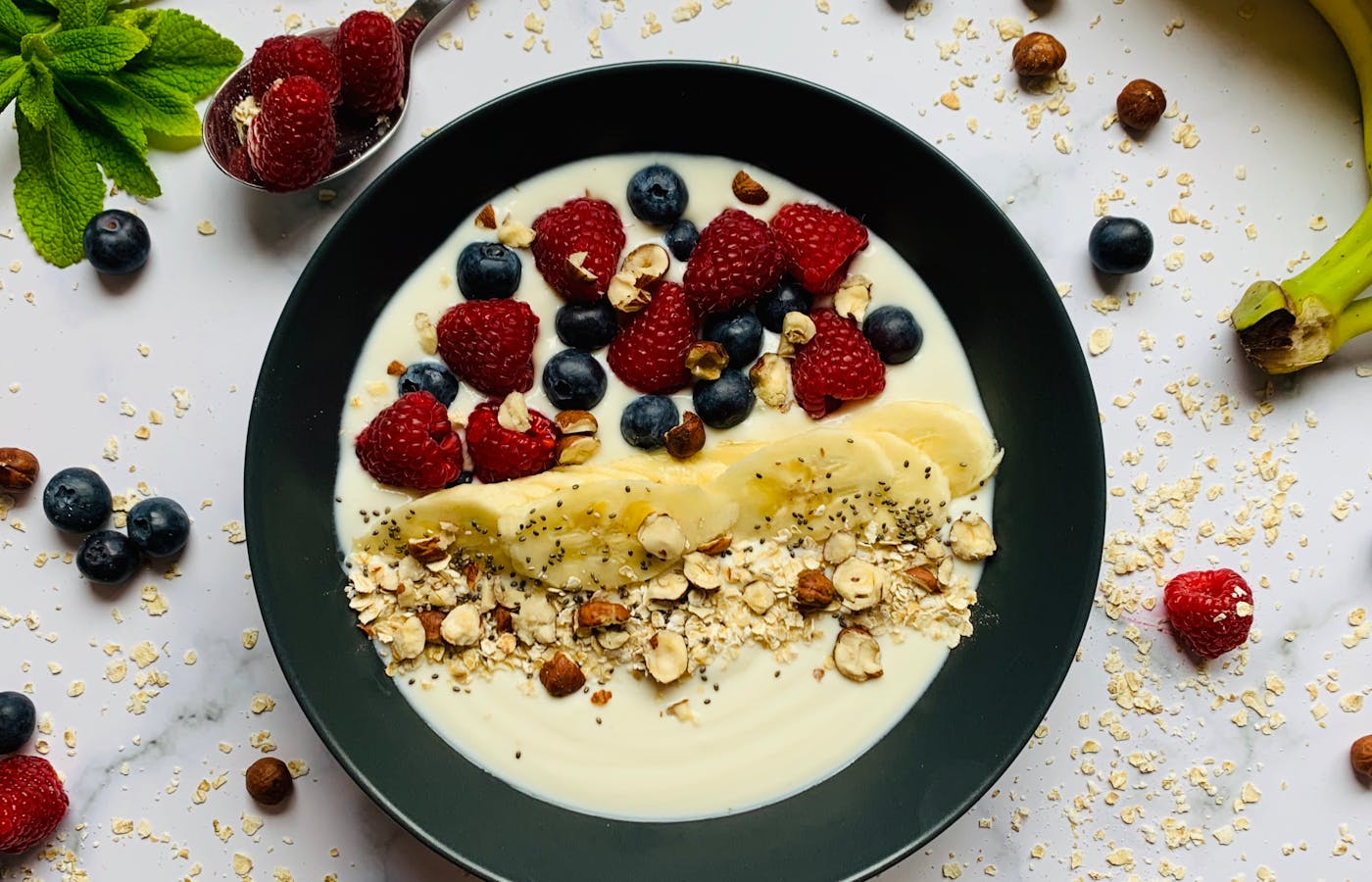
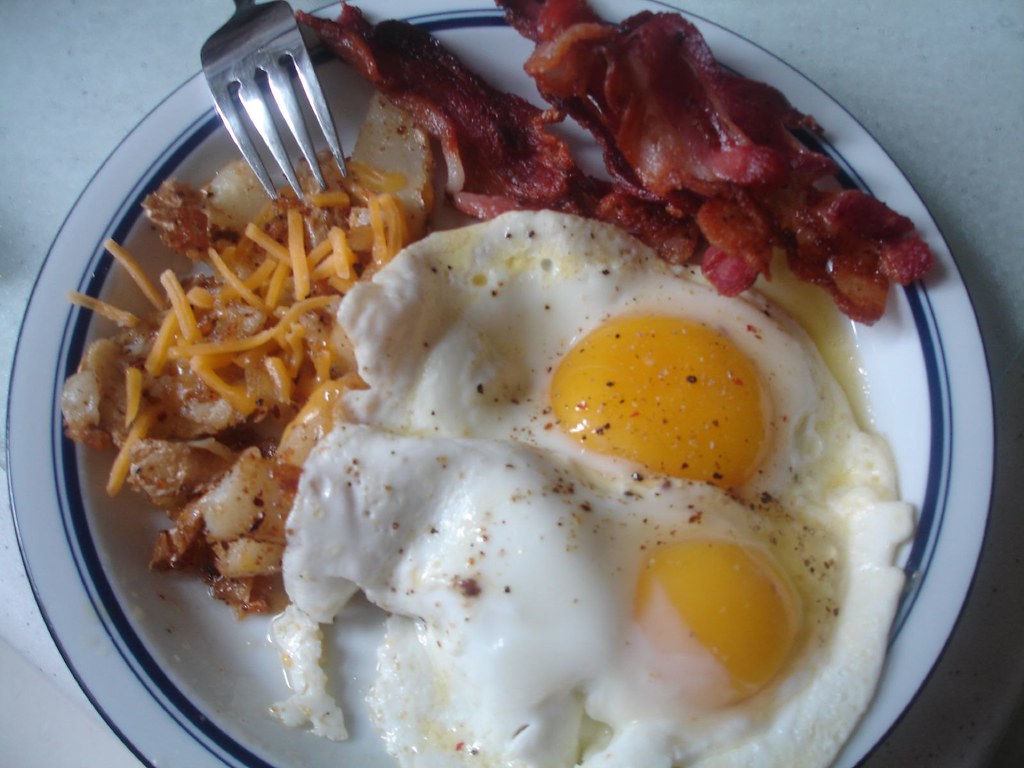
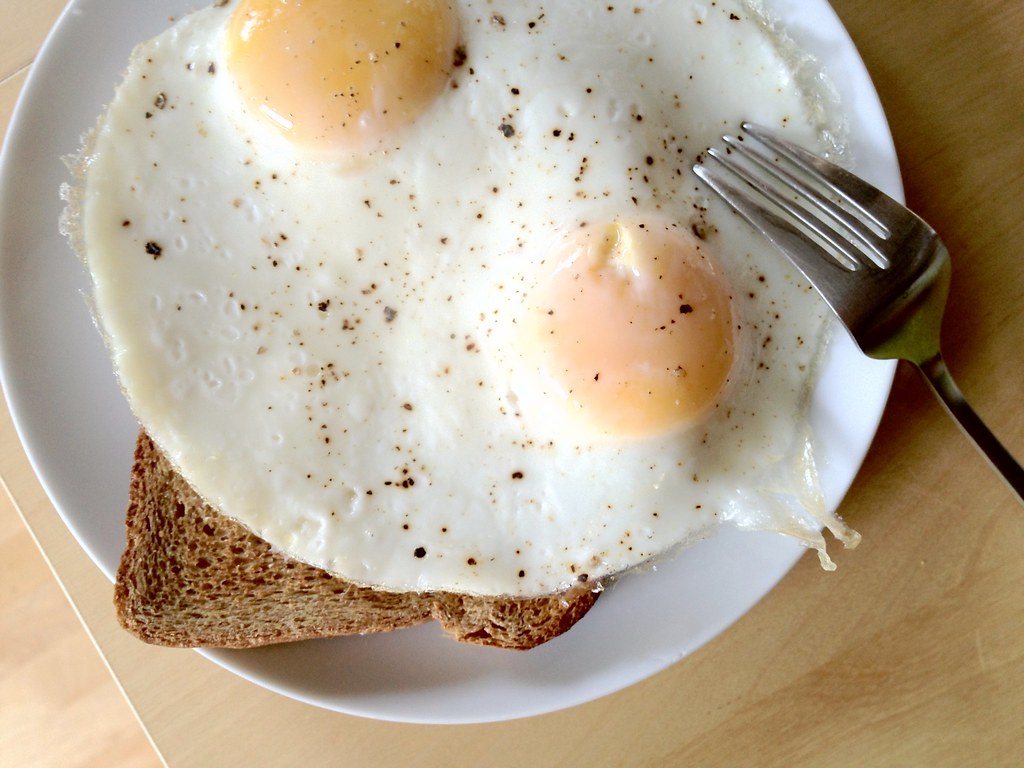
For busy mornings, rotate two or three breakfast anchors instead of inventing something new every day. Oats with fruit, eggs with toast, and yogurt with a crunchy topping can cover most weekdays without requiring much cooking.
It also helps to prepare the part that takes the longest before the morning starts. Cook a few eggs, portion oats into jars, wash fruit, or keep tortillas and cheese together in the same fridge spot. Those tiny decisions make a low-cost breakfast feel ready instead of like another chore.
Turn dinner leftovers into better lunches
Lunch is where a budget plan often succeeds or fails. If leftovers go into the fridge without a plan, they may sit there until nobody wants them. If they are packed as lunch before the kitchen closes, the next day already has a cheaper meal ready.
Think about lunch while cooking dinner. Make extra rice, roast more vegetables, cook another portion of beans, or save one serving of pasta sauce. Those small extras become lunch bowls, wraps, soups, sandwiches, or reheated plates without starting from zero.
Lunch does not have to look exactly like dinner. Rice and beans can become a burrito bowl. Roasted vegetables can go into a sandwich. Pasta can become a cold pasta salad. Chicken can move from dinner plate to soup, wrap, or salad.
- Pack one lunch portion before serving seconds.
- Keep sauces separate when they might make food soggy.
- Add a cheap crunch, such as carrots, cabbage, or toast.
- Use clear containers so leftovers stay visible.
- Label anything that will not be eaten within a day or two.
Use dinner formulas instead of new recipes every night
Dinner gets cheaper when it follows a formula. A formula is not a strict recipe; it is a repeatable shape. Choose a base, a protein, a vegetable, and a flavor. That can become rice bowls, pasta plates, soups, skillet meals, tacos, baked potatoes, or simple sandwiches.
A rice bowl might use rice, beans, frozen corn, salsa, and an egg. A pasta dinner might use pasta, canned tomatoes, spinach, and a little cheese. A potato dinner might use baked potatoes, tuna, beans, or leftover chili. These meals are flexible because the structure stays the same while the ingredients change. The same planning helps in high-protein breakfast ideas without much cooking, where the meal has to be simple before the day starts moving.
This approach also protects the grocery budget. Instead of buying a special ingredient for one recipe, you buy ingredients that can appear in several meals. That is where the real savings often happen.
When dinner follows a formula, substitutions become easier too. If ground meat is expensive, beans can carry the meal. If fresh vegetables look tired or costly, frozen vegetables can fill the same space. The dinner still has a base, protein, vegetable, and flavor, even when the exact ingredients change.
Choose staples that work across the whole day
The best budget staples are ingredients that can do more than one job. Eggs can be breakfast, lunch protein, dinner topping, or a quick fried rice add-in. Oats can be breakfast, baked snack, or binder for simple patties. Rice can be dinner base, lunch bowl, soup filler, or breakfast porridge in some kitchens. The same planning helps in breakfast meal prep ideas for busy mornings, where the meal has to be simple before the day starts moving.
Beans, lentils, pasta, potatoes, tortillas, frozen vegetables, canned tomatoes, canned tuna, peanut butter, and cabbage are useful because they stretch meals without requiring expensive extras. They also store well, which reduces the pressure to use everything immediately.
- Eggs for breakfast plates, rice bowls, and quick dinners.
- Rice for bowls, soups, fried rice, and leftover lunches.
- Beans for tacos, soups, salads, and baked potatoes.
- Pasta for hot dinners and cold lunches.
- Frozen vegetables for skillets, soups, bowls, and omelets.
Plan flavor before buying more ingredients
Cheap meals can feel repetitive when the flavor never changes. Before buying more main ingredients, look at seasonings, sauces, acids, and toppings. A small amount of flavor can make the same base feel different across breakfast, lunch, and dinner.
Hot sauce, soy sauce, salsa, mustard, vinegar, lemon juice, garlic, chili flakes, curry powder, Italian seasoning, or a basic vinaigrette can change the direction of a meal. The goal is to use what you already have more intelligently, not collect bottles that expire untouched.
Pick two or three flavor lanes for the week. For example, one rice batch can become a salsa bowl one day, a soy-sauce fried rice another day, and a bean soup base later. That keeps the meals familiar but not identical.
Create a one-day budget meal rhythm
A simple daily rhythm helps when money and time are both tight. Breakfast should be quick and filling. Lunch should use leftovers or low-effort staples. Dinner should create enough food to support tomorrow without making the cook feel trapped in the kitchen.
- Choose one cheap breakfast anchor for the next morning.
- Cook dinner with one planned lunch portion in mind.
- Use a base ingredient that can stretch, such as rice, pasta, beans, or potatoes.
- Add vegetables from frozen, canned, or low-cost fresh options.
- Change flavor with sauce, seasoning, or toppings.
- Pack leftovers before cleaning the kitchen.
If the plan only works on a calm day, simplify it. Budget cooking has to survive tired nights, short lunches, and mornings when nobody wants to think.
Keep the grocery list tied to real meals
A budget grocery list should not be a collection of hopeful ingredients. Tie each item to breakfast, lunch, dinner, or a backup meal. If an ingredient cannot fit into at least one real meal this week, it may not deserve space in the cart.
Before shopping, check the pantry, fridge, and freezer for ingredients that need to be used. Then build around them. Half a bag of rice, two eggs, frozen vegetables, and canned beans can become the start of several meals if the list fills in the gaps instead of ignoring what is already there.
Budget breakfast, lunch, and dinner ideas work best when they share ingredients without feeling like copies. Use filling breakfast anchors, turn dinner into lunch, rely on meal formulas, and buy staples that can move through the day. The plan stays cheaper because each ingredient has more than one chance to become food.