How to Cook on a Tight Grocery Budget
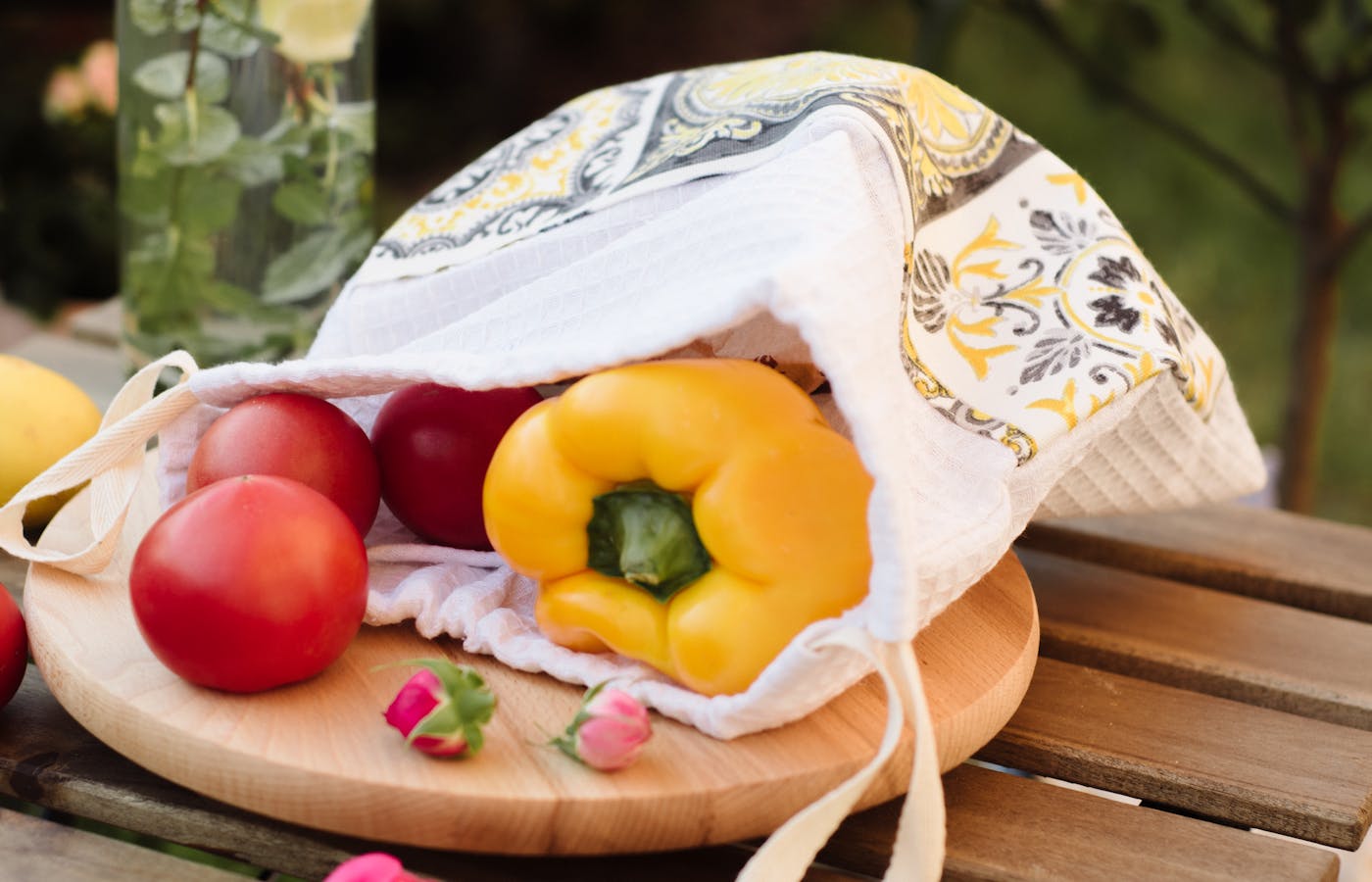
A small food budget can still cover filling meals when every ingredient has a clear job. The cart works harder when staples, flexible proteins, vegetables, and leftovers connect to each other instead of turning into separate little purchases that never become dinner.
The hard part is that grocery stores are full of tiny decisions. One sale looks useful, one snack feels harmless, and one recipe asks for an ingredient you may only use once. By the end of the trip, the total is higher but the week still feels underplanned.
The useful approach is to cook from anchors. Pick a few cheap foods that can become several meals, then add flavor and freshness around them. That keeps the budget practical without making every dinner feel identical.
Set a grocery budget around meals you will actually cook
A tight grocery budget should start with the week in front of you, not with an ideal meal plan. Look at how many dinners, lunches, and breakfasts you truly need to cover at home. If two nights are busy, one night may need leftovers or a very fast meal. If lunches are already handled, do not buy as if you need five extra midday meals.
Write the number of meals before writing ingredients. This keeps the cart from filling with random foods that do not add up to complete plates. A bag of rice, a carton of eggs, a few vegetables, and beans can become meals. A handful of unrelated sale items may only become clutter.
It also helps to choose meals by effort level. A low-budget week often fails when every dish needs chopping, simmering, and cleanup. Mix one cooked pot, one quick skillet, one assembly meal, and one leftover meal. That pattern feels more realistic than pretending every night will be calm.
The budget has to fit your energy as well as your wallet. Food you do not have time to cook is not cheap if it spoils before you use it.
Build tight grocery budget meals from cheap anchors
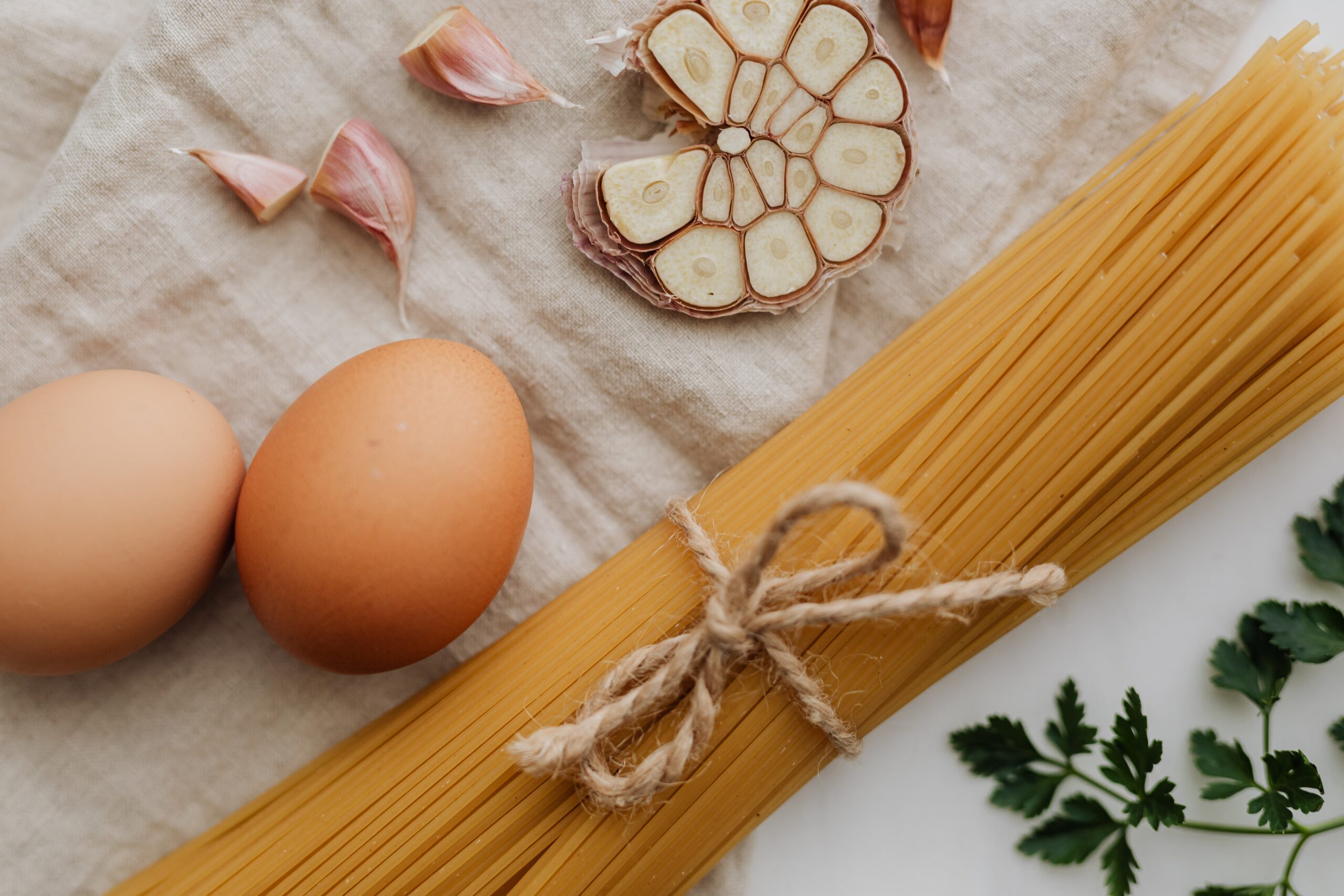
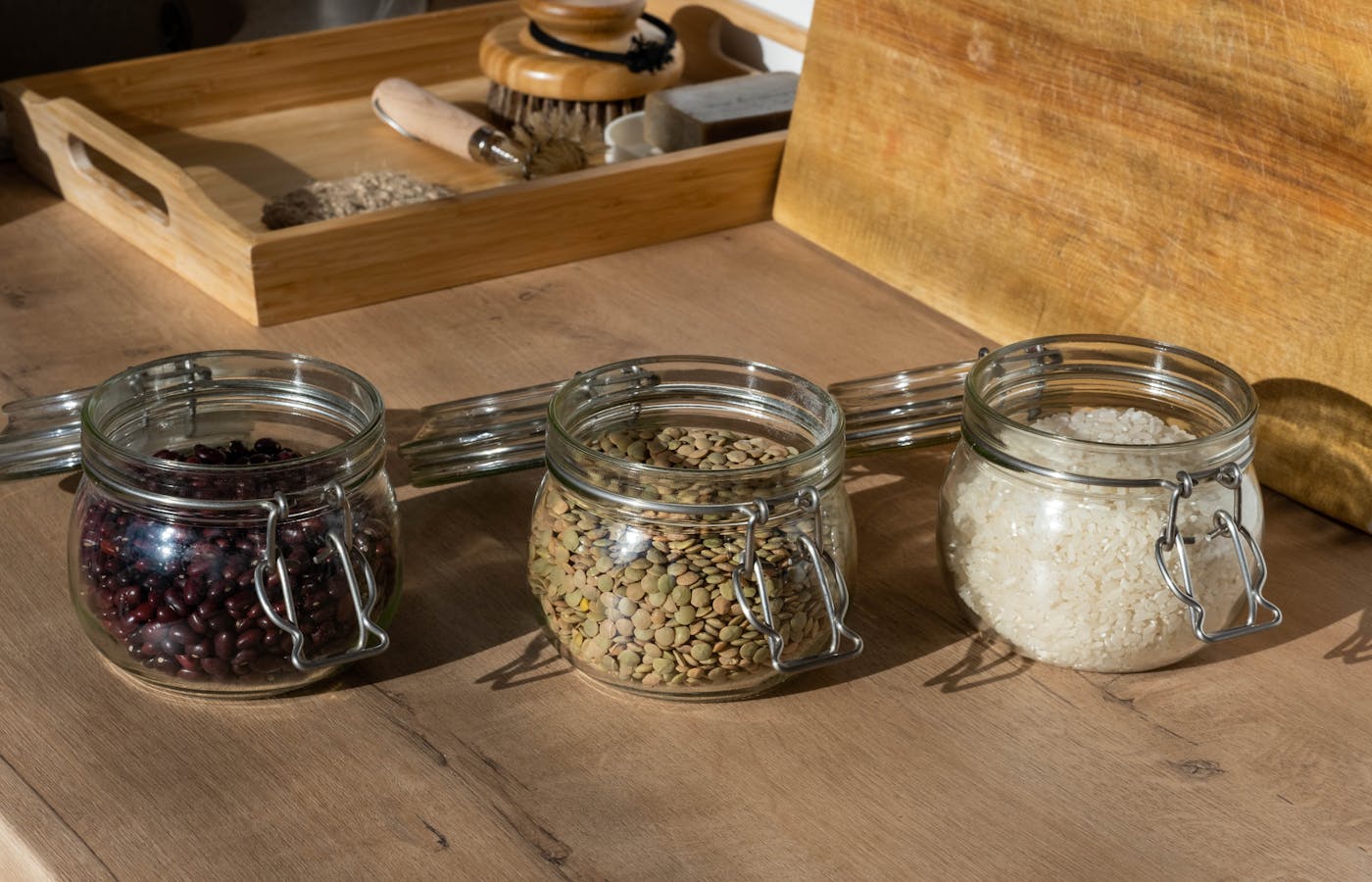
Cheap anchors are foods that fill the plate and work in several directions. Rice, pasta, oats, potatoes, tortillas, beans, lentils, eggs, frozen vegetables, canned tomatoes, and simple bread can stretch meals without requiring a long ingredient list. They are useful because they can carry different flavors through the week.
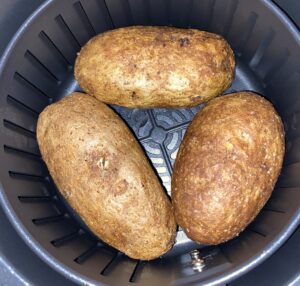
For example, rice can become a bowl with beans, fried eggs, leftover vegetables, or a quick soup. Potatoes can turn into breakfast hash, baked potatoes, soup, or a side for chicken. Oats can cover breakfast, but they can also help stretch muffins, pancakes, or simple snack bars if you bake.
The trick is to avoid buying every anchor at once. Pick two or three for the week and make sure they match the meals you plan. A pantry full of cheap food is not automatically useful. It becomes useful when the items connect.
Keep flavors flexible too. Garlic, onion, basic spices, vinegar, mustard, soy sauce, salsa, or a simple sauce can make repeated anchors feel less repetitive. A budget meal often needs a small flavor lift more than another expensive ingredient.
Use protein as a stretch ingredient, not the whole meal
Protein is often where the grocery bill jumps. Meat, seafood, specialty dairy, and convenience proteins can take over the budget quickly. You do not have to remove them completely, but it helps to treat protein as part of the meal instead of the entire meal.
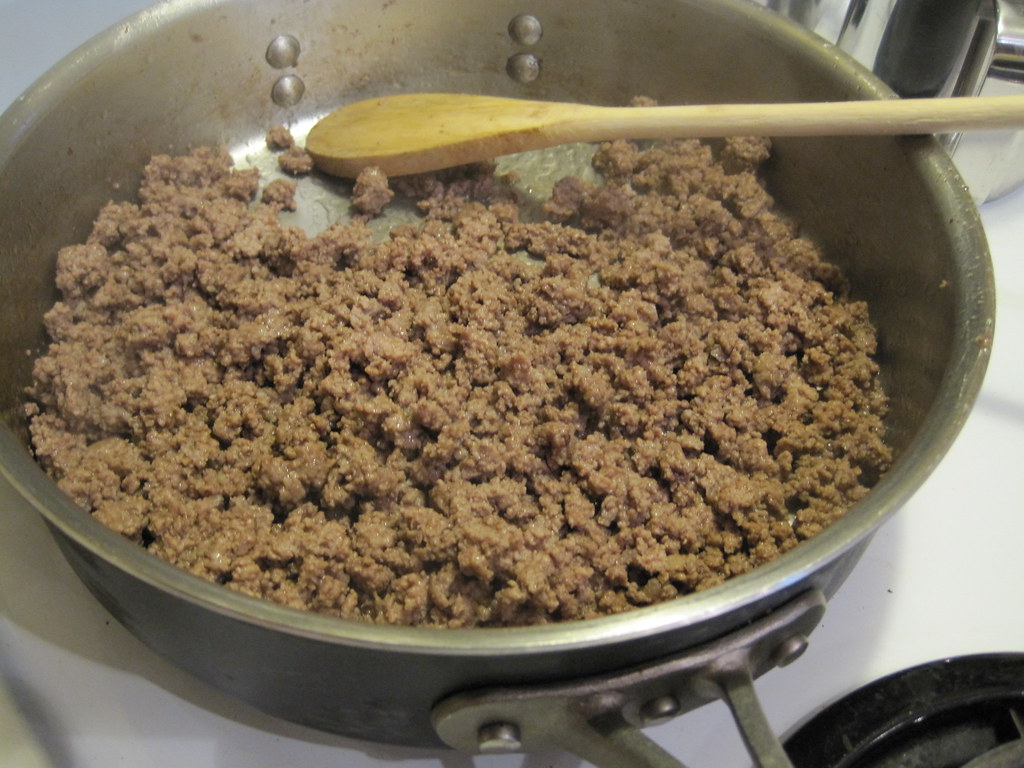
Ground beef can stretch into beans, rice, pasta sauce, or a vegetable skillet. Chicken thighs can become soup, tacos, rice bowls, or sandwiches across more than one meal. Eggs can turn vegetables and leftovers into breakfast-for-dinner. Beans and lentils can carry meals by themselves or make a smaller amount of meat go further.
Think in combinations instead of single centerpieces. A bowl with rice, beans, roasted vegetables, and a little cheese can feel complete. A potato topped with chili beans and chopped onions can be filling without needing a large portion of meat. Pasta with lentils or canned tuna can cover dinner without feeling like a side dish. That kitchen rhythm is easier to keep budget pantry meals is especially useful when leftovers and prep containers need a clear purpose.
Buying protein this way also reduces pressure. If the chicken is only one part of three meals, a small pack can still matter. If it has to be the main event every night, the budget gets tight fast.
Cook with vegetables that survive the week
Fresh produce can save or sink a grocery budget. It saves money when you buy vegetables that fit multiple meals and last long enough to use. It wastes money when delicate greens, herbs, or specialty vegetables sit in the fridge with no plan. Start with sturdier choices when the budget is tight.
Carrots, cabbage, onions, potatoes, sweet potatoes, frozen spinach, frozen peas, frozen broccoli, canned tomatoes, and bagged slaw mixes can work across several meals. They can go into soups, rice bowls, stir-fries, pasta, eggs, or simple sides. Frozen vegetables are especially useful because you can use a handful at a time.
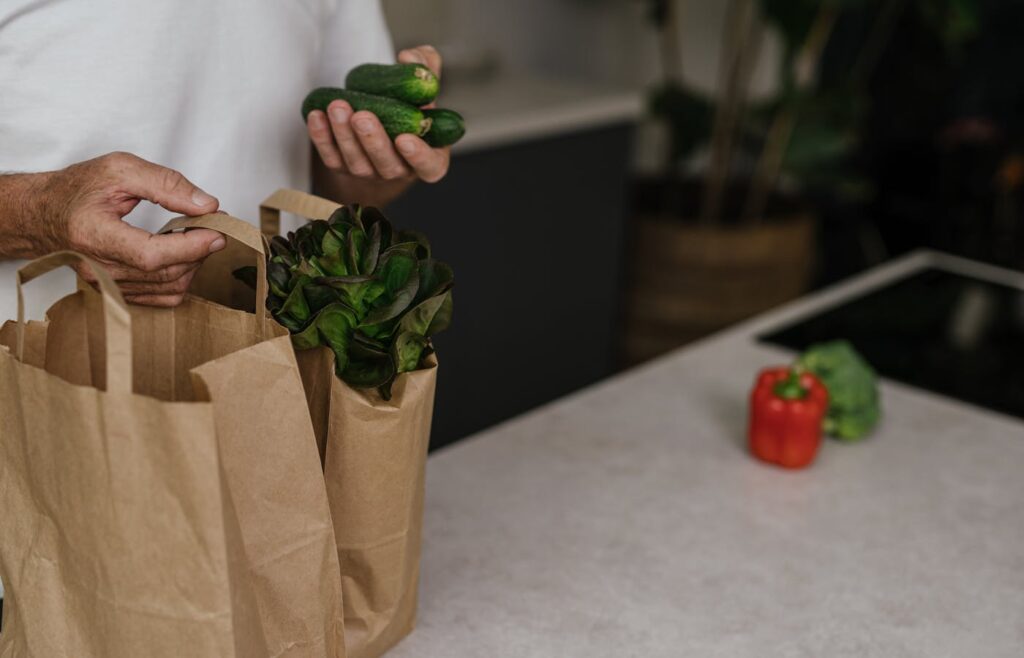
Use delicate produce only when it has a clear job. If you buy lettuce, know whether it is for wraps, salads, sandwiches, or bowls. If you buy fresh herbs, plan two meals that use them. That small rule keeps the fridge from turning into a place where good intentions expire.
- Choose one sturdy vegetable for cooking.
- Choose one fresh item for crunch or brightness.
- Keep one frozen vegetable for backup meals.
- Use canned tomatoes, beans, or corn to fill gaps.
Shop the grocery budget with a flexible list
A strict list can help, but a flexible list is often better for budget cooking. Instead of writing only one exact ingredient, write the job it needs to do. Put “cheap protein” instead of one specific meat, “green vegetable” instead of one specific bunch, or “breakfast fruit” instead of one exact fruit.
This lets you use prices at the store without losing the plan. If eggs are expensive but beans are cheap, the week can shift. If cabbage is a better value than lettuce, the meal can become slaw, stir-fry, or a bowl topping. If chicken is not on sale, the recipe can become lentils, tuna, or ground turkey depending on the price.
Compare unit prices when the difference matters, but do not make the trip exhausting. Focus on the foods you buy often: rice, oats, eggs, milk, beans, meat, pasta, frozen vegetables, and bread. Saving a little on repeated items usually matters more than chasing tiny savings on one-time ingredients. That timing decision pairs well with cheap chicken recipes because a fast meal still needs texture, doneness, and cleanup to stay manageable.
A flexible list also helps you avoid budget traps. If a sale item does not fit the meals you planned, it is not automatically a deal. It has to replace something or complete something.
Turn leftovers into planned budget meals
Leftovers are easier to use when they have a second form. A pot of beans can become bowls one day and soup another day. Roasted vegetables can become omelets, wraps, pasta, or rice bowls. Cooked potatoes can become hash. Rice can become fried rice, soup filler, or a side for saucy beans.
The point is reuse, not eating the same plate four times. Save the most expensive or time-consuming parts for a second meal. If you cook a big pot of lentils, keep some plain before adding strong seasoning. Plain lentils are easier to turn into soup, tacos, curry-style bowls, or pasta sauce later.
Store leftovers in clear containers if you can. Labeling is useful, but visibility matters even more. Food that disappears behind jars is easy to forget. Put the most urgent leftovers at eye level and plan the next meal around them before opening something new.
One good habit is a “use first” meal before shopping again. It clears half-portions, vegetables, sauces, cooked grains, and opened cans. That meal may look simple, but it protects the next grocery budget.
USDA MyPlate can be a practical guardrail when money is tight: the meal still needs enough filling food, some protein, and produce or vegetables where possible. That keeps the budget plan from becoming only the cheapest starch on the shelf.
Repeat a budget cooking routine each week
A repeatable budget cooking routine makes the whole week less stressful. You do not need a new system every week. You need a small rhythm that checks what you have, chooses a few anchors, buys only what completes meals, and uses leftovers before they fade.
Keep the routine short enough to do even on a busy day. Ten focused minutes before shopping can save more money than a complicated spreadsheet you never open. Look at the fridge, freezer, pantry, and schedule. Then build meals from what already exists.
- Check what needs to be used first.
- Choose two cheap anchors for the week.
- Add one or two flexible proteins.
- Pick sturdy vegetables that match several meals.
- Leave room for one fast backup meal.
- Plan one leftover meal before the next shopping trip.
When the budget is tight, the win is not a flawless menu. It is a week where the food you buy turns into real meals, the leftovers get used, and the cart stays connected to your actual life. That is what makes budget cooking sustainable without asking you to restart from zero every Monday.