Cheap Lunch Ideas for Work or School
Packed lunches can save real money, but only if they are easy enough to repeat. A lunch that takes too long in the morning, leaks in a bag, needs five containers, or tastes boring by noon will eventually lose to takeout, vending machines, or whatever is closest.
The part that makes the habit stick is usually not the recipe. It is whether the food can survive the trip, stay safe until lunch, and still feel worth eating. USDA food safety guidance is useful here: perishable food should stay cold with an ice pack or insulated bag when a refrigerator is not available, and it should not sit out for a long school or work morning.
Cheap lunch ideas for work or school work best when they start with simple formulas instead of brand-new recipes every day. You need a filling base, a protein or hearty ingredient, something fresh or crunchy, and a sauce or seasoning that keeps the meal from tasting flat. Once that structure is clear, lunch becomes easier to pack without spending more.
Build lunches around one filling base
A budget lunch needs something that keeps you full. Rice, pasta, potatoes, bread, tortillas, oats, noodles, beans, lentils, and leftover grains can all become the base of a work or school lunch. The base is usually the cheapest part of the meal, so it should do some heavy lifting.
Start by choosing what you already have. Leftover rice can become a bowl. Pasta can become a cold salad or reheated lunch. Potatoes can become a filling side with eggs, beans, tuna, or vegetables. Tortillas can turn small amounts of food into wraps. Bread can work when the filling has enough flavor and moisture.
The base should match the way you will eat the lunch. If there is no microwave, cold pasta, sandwiches, wraps, grain salads, and snack-style boxes are safer choices. If reheating is available, rice bowls, soups, leftovers, and skillet-style meals become easier. Do not plan a hot lunch for a place where heating it is stressful.
I like to plan lunches by base first because it reduces decision fatigue. Once the base is chosen, the rest of the meal has a direction. You are not staring into the fridge asking what to make; you are asking what can go with rice, bread, pasta, potatoes, or tortillas.
Turn leftovers into the first lunch option
Leftovers are one of the cheapest lunch shortcuts because the cooking is already done. A small portion of chicken, beans, roasted vegetables, ground beef, lentils, eggs, tuna, pasta, or soup may not look like a full lunch alone, but it can become one when paired with a base and a fresh element.
The trick is to change the format. Dinner leftovers in the same container may feel tired. The same food in a wrap, bowl, sandwich, salad, or lunch box can feel more intentional. Add sauce, crunch, fruit, pickles, greens, or a simple side so the lunch does not feel like a sad repeat of last night.
Useful leftover lunch formats include:
- rice or grain bowls with leftover protein, beans, vegetables, and sauce;
- wraps with cooked meat, eggs, beans, cheese, vegetables, or spreads;
- cold pasta salads with vegetables, dressing, tuna, beans, or chicken;
- soup lunches with bread, crackers, fruit, or a small salad;
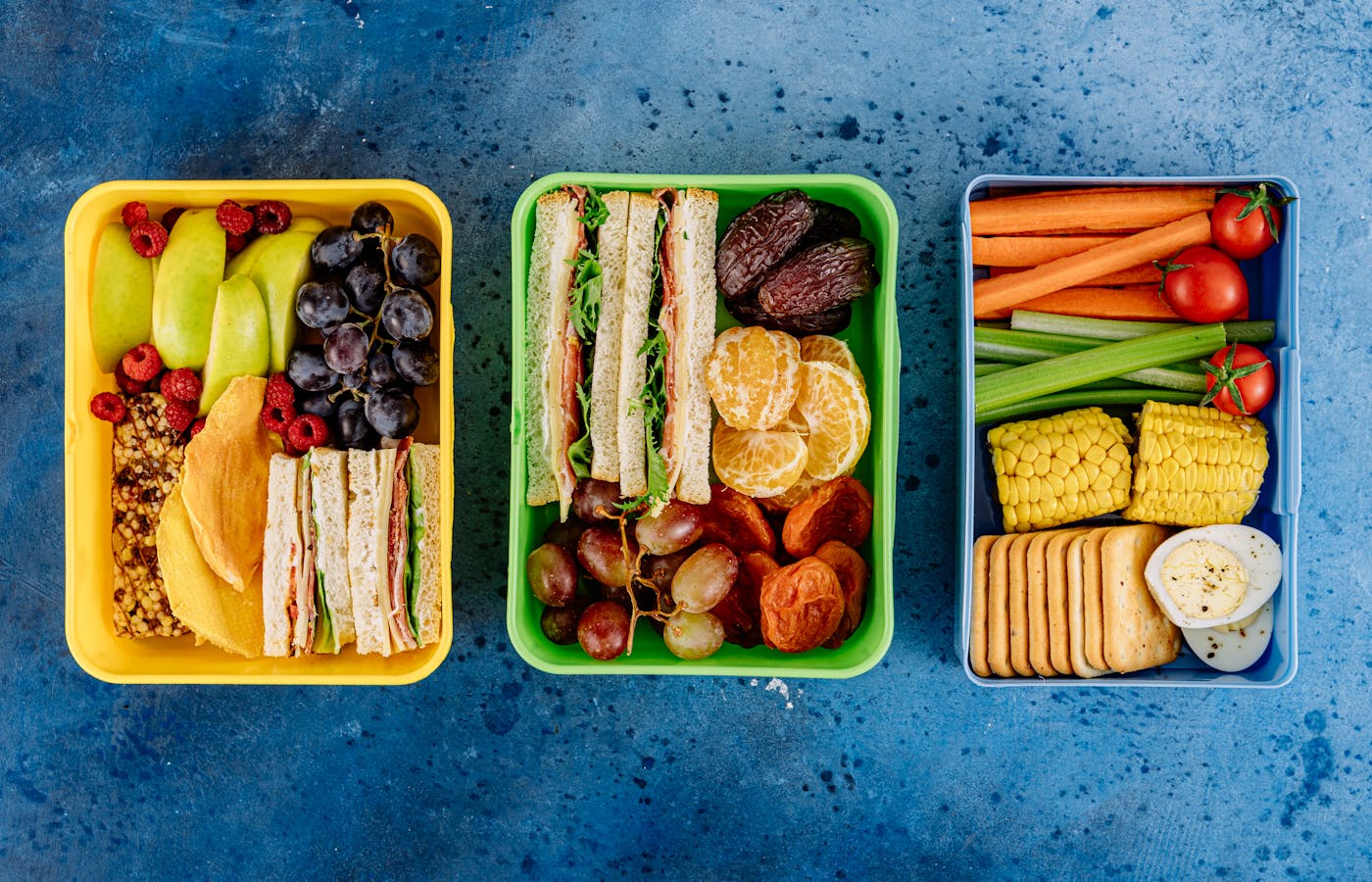
- snack boxes with leftovers, boiled eggs, fruit, vegetables, and crackers.
Food safety still matters. Cool leftovers quickly, refrigerate them properly, and avoid packing food that has already been sitting too long. Saving money should not mean gambling with a container you are unsure about. That timing decision pairs well with a chicken-and-rice meal prep plan because a fast meal still needs texture, doneness, and cleanup to stay manageable.
My practical test is simple: if I would not confidently reheat it for dinner, I do not pack it for lunch. Leftovers should be dated, used within a short window, and packed cold before they go into a bag. That one check prevents the budget lunch from becoming the riskiest meal of the day.
Choose cheap proteins that pack well
Protein is often the part of lunch that gets expensive, but it does not have to be. Eggs, beans, lentils, canned tuna, canned chicken, peanut butter, cottage cheese, yogurt, tofu, leftover chicken, ground meat, and cheese can all work in packed lunches. The best option depends on price, storage, smell, reheating, and whether the lunch has to sit in a bag for part of the day.
Think about how the protein behaves by noon. Tuna may be affordable but not ideal in every office or classroom. Eggs are filling, but they need cold storage. Beans and lentils are cheap and sturdy, but they need seasoning. Leftover chicken can be useful, but it dries out unless paired with sauce, dressing, soup, or vegetables.
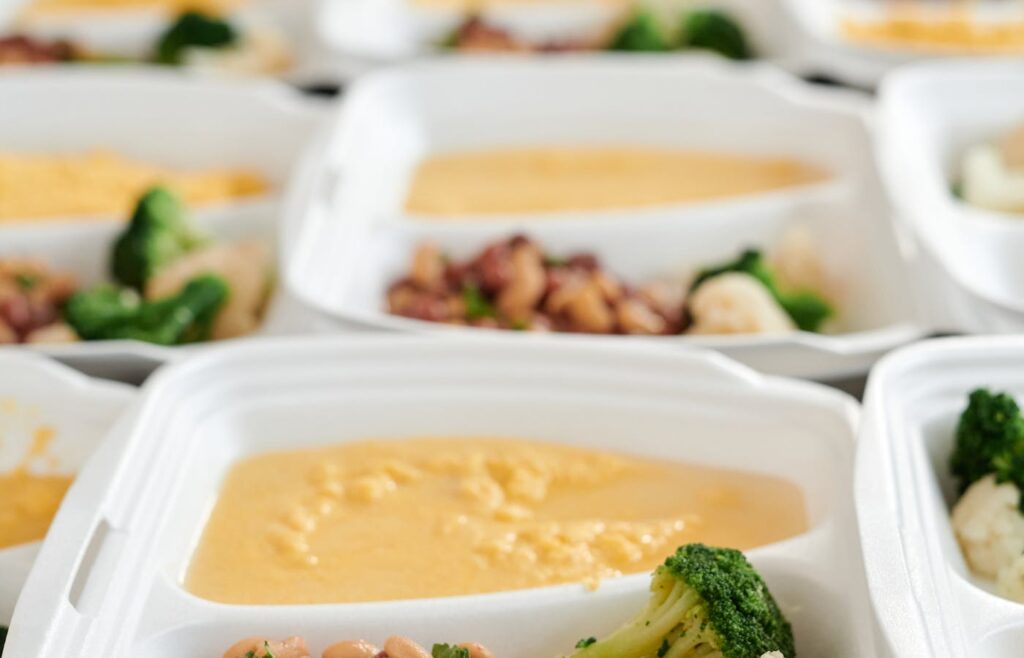
Stretch protein with cheaper ingredients instead of making it the whole lunch. Add beans to rice, eggs to potatoes, tuna to pasta, lentils to soup, or a small amount of meat to a wrap with vegetables. This keeps the lunch filling without making every serving depend on a large portion of the most expensive ingredient. That prep step is easier to maintain when work lunch meal prep ideas keep storage and reheating part of the plan.
A good budget lunch does not need to look like a restaurant meal. It needs enough food, enough flavor, and enough texture to make the packed option feel worth eating.
Make cold lunches feel like real meals
Cold lunches are useful for work or school because they do not depend on a microwave line, a shared fridge, or perfect timing. The problem is that cold lunches can feel like snacks unless they include a real anchor. A sandwich alone may not be enough; a sandwich with fruit, vegetables, yogurt, boiled eggs, or crackers feels more complete.
Use contrast to make cold lunches better. Soft bread needs crunch. Pasta salad needs acid or herbs. Rice bowls need sauce. Vegetables need dip, dressing, cheese, or seasoning. Fruit can make a cheap lunch feel fresher without much effort. Even a small pickle, lemony dressing, or spicy sauce can make leftovers feel less flat.
Cold lunch ideas that usually hold up well:
- bean and rice salad with corn, salsa, and shredded cheese;
- egg salad or tuna salad with crackers, cucumbers, and fruit;
- pasta salad with vegetables, dressing, and leftover protein;
- hummus wraps with carrots, greens, and boiled eggs;
- snack boxes with cheese, fruit, vegetables, crackers, and nuts.
Pack wet ingredients carefully. Keep dressing separate when possible, use containers that seal well, and put juicy items away from bread or crackers. A cheap lunch stops feeling cheap in a good way when the texture is still pleasant at lunchtime. The cooking routine works better when preventing food waste in a small kitchen keeps the next meal practical without adding more steps.
For school bags and shared work fridges, I also avoid fragile lunches that depend on perfect handling. Soup needs a container you have already leak-tested at home. Sandwiches need a barrier between bread and wet fillings. Anything with dairy, meat, eggs, or cut fruit needs cold storage, not wishful thinking.
Keep containers and portions simple
Lunch systems fail when they require too many parts. You do not need a perfect set of containers, but you do need something that fits the food, closes tightly, and is easy to wash. A few reliable containers are better than a cabinet full of mismatched lids that make packing feel annoying.
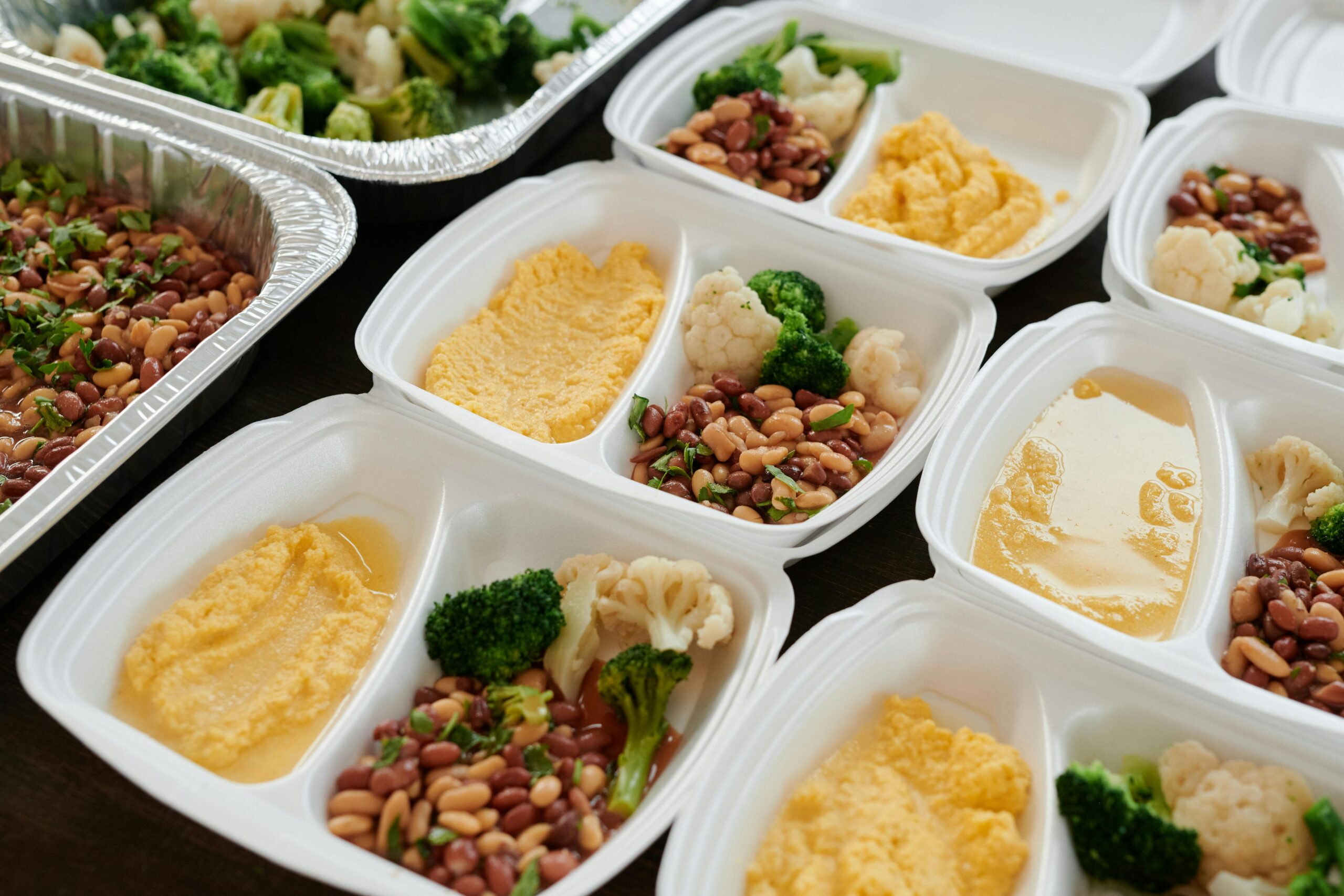
Choose containers based on the meals you actually pack. A divided box works well for snack lunches, sandwiches, fruit, and vegetables. A deep container works better for rice bowls, soup, pasta, or leftovers. Small cups help with dressing, sauce, dips, nuts, or pickles. If the food needs to stay cold, plan for an ice pack or insulated bag.
The cheapest lunch is the one you can pack again tomorrow without turning the kitchen upside down.
Portion size matters too. Underpacking leads to buying extra food later. Overpacking leads to waste or carrying heavy containers home. Notice what actually gets eaten and adjust. A budget lunch routine should become more accurate over time, not more complicated.
Keep one backup container ready for messy foods. Soup, saucy pasta, beans, and rice bowls need a tighter seal than crackers or fruit. If a lunch leaks once, you may stop trusting the habit, so use the safer container for anything wet or heavy.
Follow a repeatable packed lunch routine
The easiest way to pack more lunches is to remove the morning decision. Lunch can be assembled the night before or built from a small weekly plan. You do not need five different recipes. You need a few dependable combinations that rotate through the same inexpensive ingredients.
Use this routine for work or school lunches:
- Choose tomorrow’s base before dinner cleanup is finished.
- Add a protein or hearty ingredient from leftovers or pantry staples.
- Add one fresh item, such as fruit, greens, carrots, cucumber, or tomatoes.
- Add sauce, dressing, seasoning, or a dip so the lunch has flavor.
- Pack wet or crunchy items separately when texture matters.
- Put the lunch where you will actually remember it in the morning.
This routine also helps with grocery shopping. If you know you can turn rice, beans, eggs, tuna, pasta, potatoes, tortillas, and fruit into lunches, you can buy fewer random items and waste less.
Cheap lunches for work or school become easier when they are built from repeatable parts. Pick a filling base, use leftovers first, stretch affordable proteins, make cold lunches complete, and keep containers simple. That is enough to make packed lunch feel like a normal habit instead of a daily negotiation.