Quick Dinners You Can Make from Canned Goods
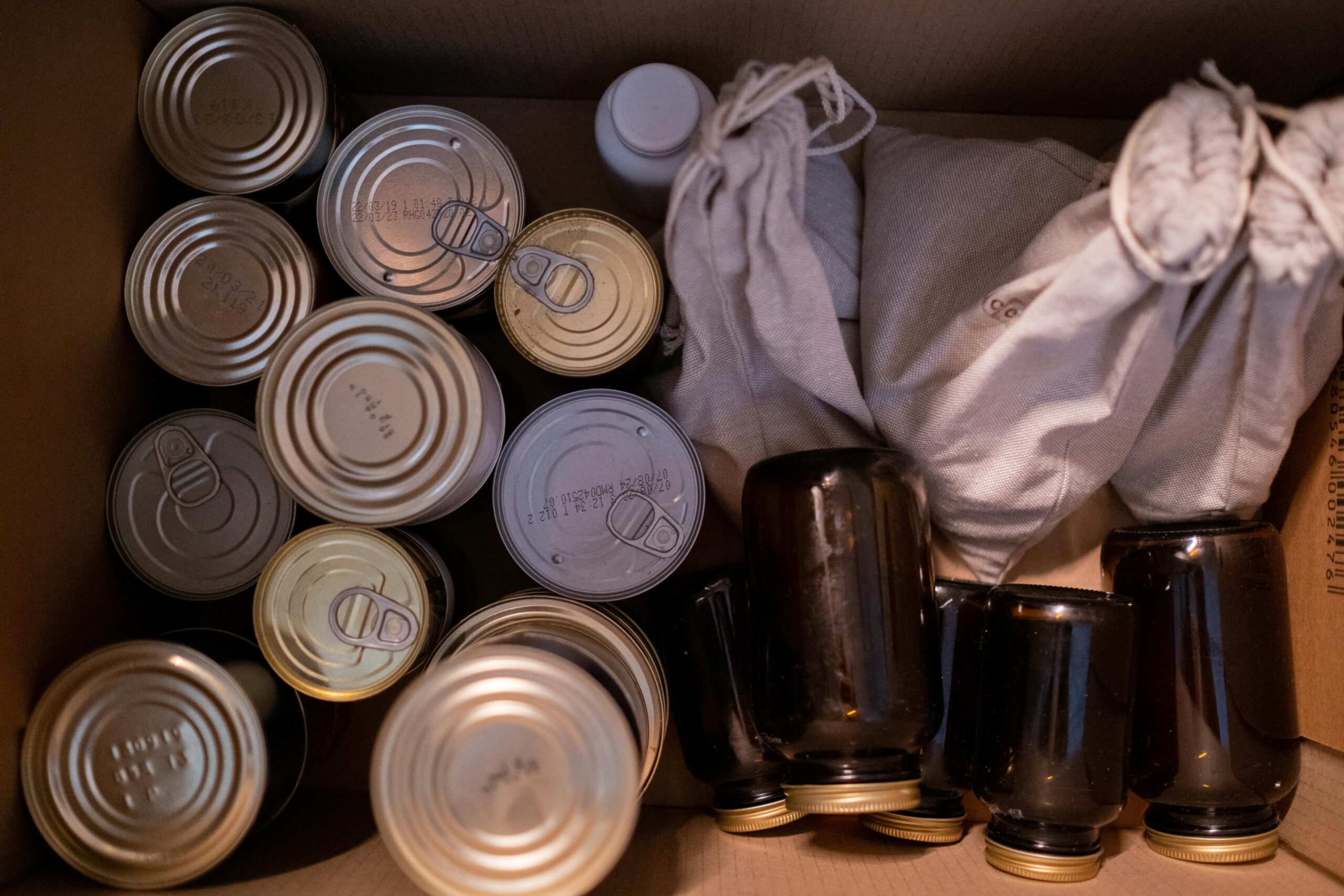
Canned goods can save dinner when the fridge is thin, the budget is tight, or the week has already used more energy than expected. A few cans of beans, tomatoes, corn, tuna, soup, or vegetables can turn rice, pasta, eggs, potatoes, tortillas, or toast into a real meal instead of a backup snack.
Cheap meals you can make from canned goods depend on balance. A can usually brings one part of dinner, not the whole plate. When it is matched with a filling base, enough seasoning, and a small fresh or frozen add-on when available, the meal feels planned instead of patched together.
Food safety agencies usually stress two habits with canned food: inspect cans before using them and refrigerate leftovers promptly after opening. That matters in budget cooking because a cheap pantry meal stops being cheap if a swollen can, rusty seam, or forgotten leftover creates risk.
Start with a cheap base before opening cans
The cheapest canned-goods meals usually begin outside the can. Rice, pasta, potatoes, oats, eggs, tortillas, bread, couscous, and noodles stretch canned ingredients so the meal feeds more people for less money. A can of beans alone may feel small, but beans over rice with seasoning, onion, and a spoonful of salsa can become a filling dinner.
Choose the base by cooking time and texture. Rice is good for beans, chili-style tomatoes, corn, and canned chicken. Pasta works with tomatoes, tuna, peas, soup, and canned mushrooms. Potatoes can carry baked beans, canned chili, corn, or creamy soup. Toast can handle sardines, tuna, beans, or canned tomatoes when dinner needs to be fast.
This step also keeps the meal from becoming too salty or too wet. Canned ingredients often bring liquid, sauce, or brine. A plain base absorbs that liquid and gives you control over the final texture. If the meal looks thin, simmer it longer or add rice, pasta, or potatoes. If it looks dry, add a little reserved liquid, broth, or water.
Good low-cost bases include:
- Rice for beans, tomatoes, corn, chili, and canned chicken.
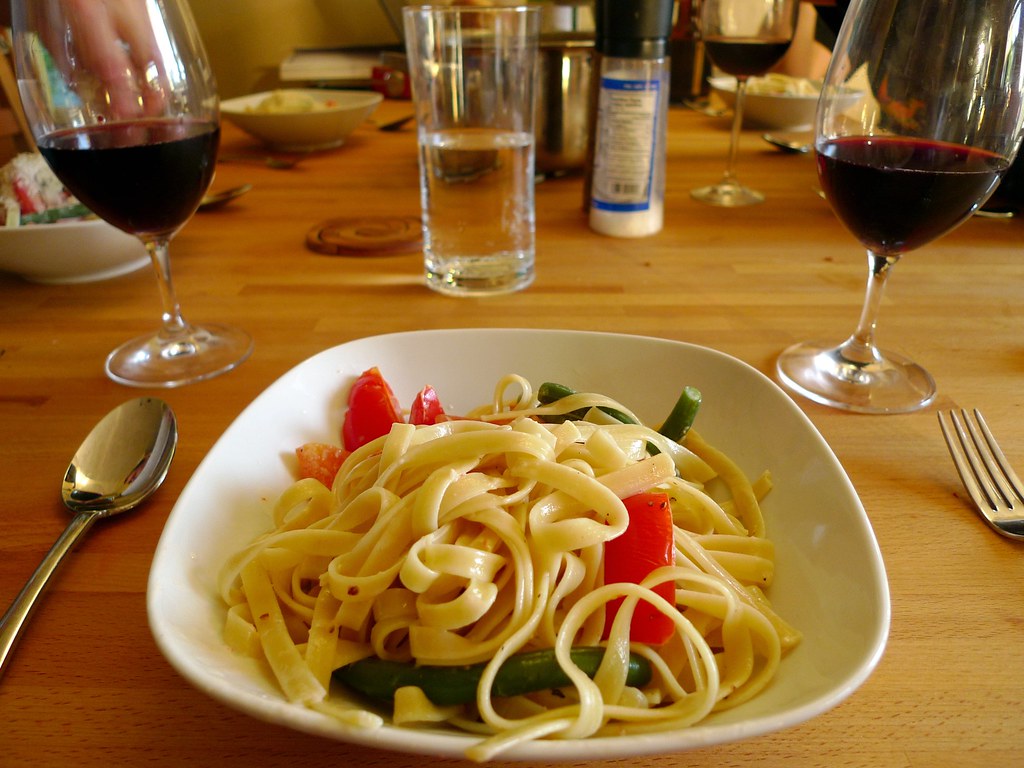
- Pasta for tuna, tomatoes, soup, peas, and canned mushrooms.
- Potatoes for baked beans, canned chili, corn, and creamy soup.
- Tortillas for beans, corn, canned fish, and quick skillet fillings.
- Toast for tuna, sardines, beans, tomatoes, and simple egg meals.
Match canned goods to the meal job
Every can does not need to do the same work. Some canned foods add protein, some add sauce, some add vegetables, and some add bulk. Dinner gets easier when each can has a job instead of being opened at random. A can of tomatoes can become sauce. Beans can become protein and fiber. Corn can add sweetness and texture. Soup can become a shortcut sauce.
Think in meal parts: base, protein, vegetable, moisture, and flavor. You do not need all five from separate ingredients, but the final plate should have enough of them to feel complete. For example, rice plus black beans plus canned tomatoes gives base, protein, fiber, and moisture. Add chili powder, garlic, or hot sauce and it becomes a simple bowl.
A small table can help when the pantry feels full but dinner ideas feel empty:
| Canned item | Cheap base | Simple meal idea |
|---|---|---|
| Black beans | Rice or tortillas | Bean bowls, tacos, or skillet filling |
| Diced tomatoes | Pasta or rice | Tomato pasta, soup, or saucy rice |
| Tuna | Pasta, toast, or potatoes | Tuna pasta, melts, or potato topping |
| Corn | Rice, eggs, or tortillas | Corn rice, omelet filling, or quesadillas |
| Cream soup | Pasta, rice, or potatoes | Skillet casserole or thick sauce |
Treat the table as a starting point, not a rulebook. If you have white beans instead of black beans, use them. If you have canned peas instead of corn, they can still add color and vegetables. The goal is to give each can a purpose so the meal has shape.
Rinse, drain, and season canned ingredients well
Canned meals often taste flat when the ingredients go straight from can to pan without adjustment. Beans, vegetables, and fish may need draining. Beans can usually use a rinse, especially when the liquid is thick or salty. Tomatoes may need simmering so they taste more like sauce and less like a raw can of diced tomatoes.
Seasoning matters because many canned goods are preserved for storage, not built as a finished meal. Garlic powder, onion powder, smoked paprika, chili powder, curry powder, black pepper, dried herbs, vinegar, lemon juice, mustard, soy sauce, hot sauce, or a little butter can change the direction of the meal without adding much cost.
Do not add salt first. Taste after draining, rinsing, and simmering. Some canned soups, beans, fish, and vegetables are already salty enough. Acid often helps more than salt. A splash of vinegar or lemon juice can make beans, tuna, tomatoes, and canned vegetables taste brighter without making the meal heavier.
A small flavor adjustment can do more than opening another can.
Helpful canned-food upgrades include:
- Rinse beans when the liquid is thick, salty, or pasty.
- Drain tuna, corn, peas, and green beans when extra liquid would water down the meal.
- Simmer canned tomatoes with oil, garlic, onion powder, or herbs.
- Add vinegar, lemon juice, mustard, or hot sauce near the end.
- Use pepper, paprika, curry powder, or chili powder before adding more salt.
Use canned beans and tomatoes for filling dinners
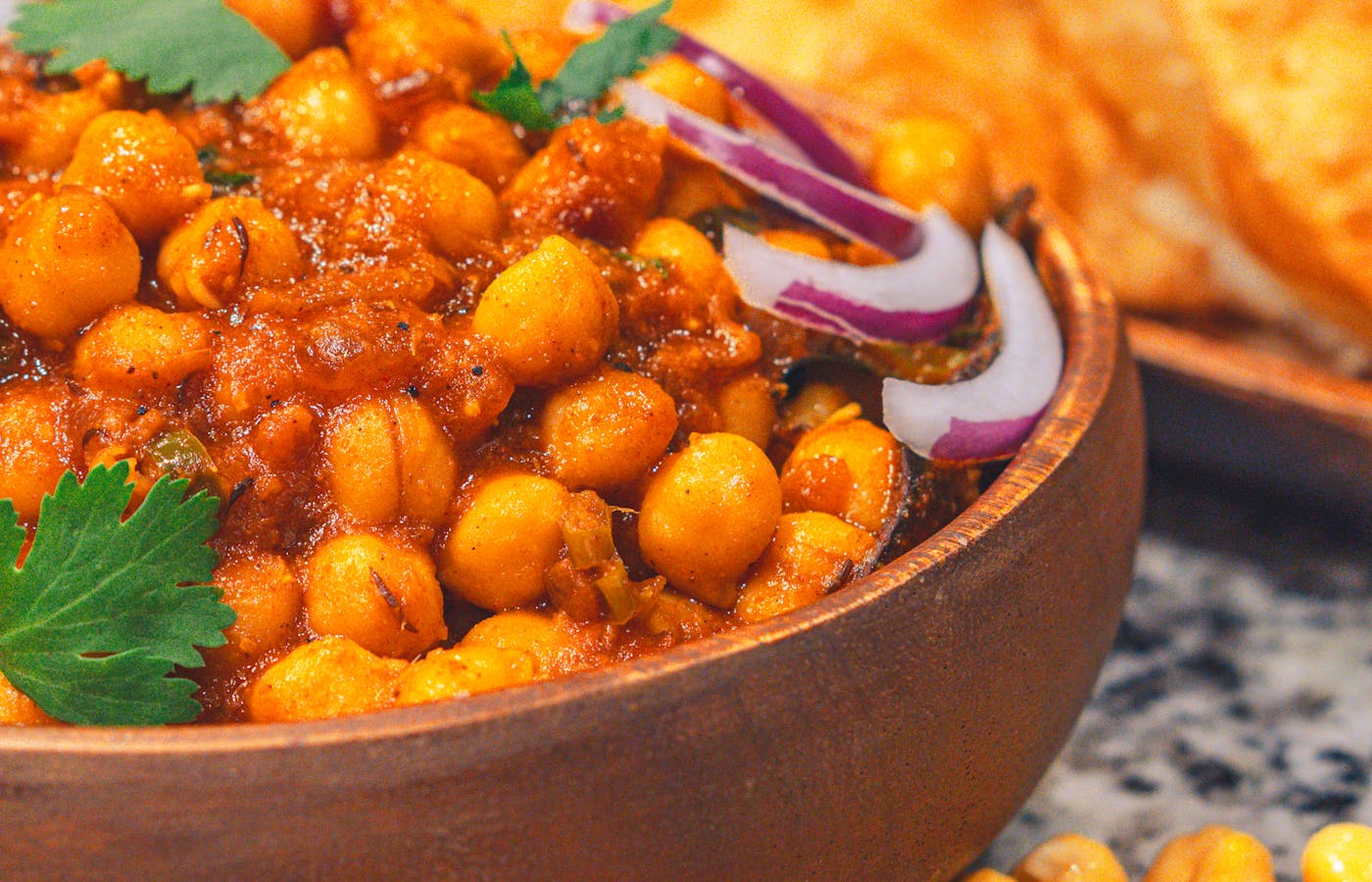
Beans and tomatoes are two of the strongest budget cans because they work together in many directions. Black beans and tomatoes can become chili-style rice bowls. White beans and tomatoes can become a quick stew. Chickpeas and tomatoes can become a curry-style skillet. Pinto beans and tomatoes can fill tortillas with corn and cheese if you have them.
Start by warming a little oil or butter with garlic powder, onion powder, chili powder, curry powder, or dried herbs. Add drained beans and tomatoes, then simmer until the mixture thickens. Serve it over rice, pasta, potatoes, toast, or tortillas. If the mixture tastes dull, add a small splash of vinegar, lemon juice, pickle brine, or hot sauce at the end.
Texture is the small detail that makes these meals better. Mash part of the beans with a spoon to thicken the sauce. Leave the rest whole so the meal still has bite. If using rice, keep the bean mixture saucy. If using tortillas, cook it down until it is thicker so it does not spill everywhere.
A cheap canned meal feels more intentional when one ingredient thickens, one ingredient brightens, and one base makes it filling. The cooking routine works better when filling meatless budget meals give the next meal a practical base without adding more steps.
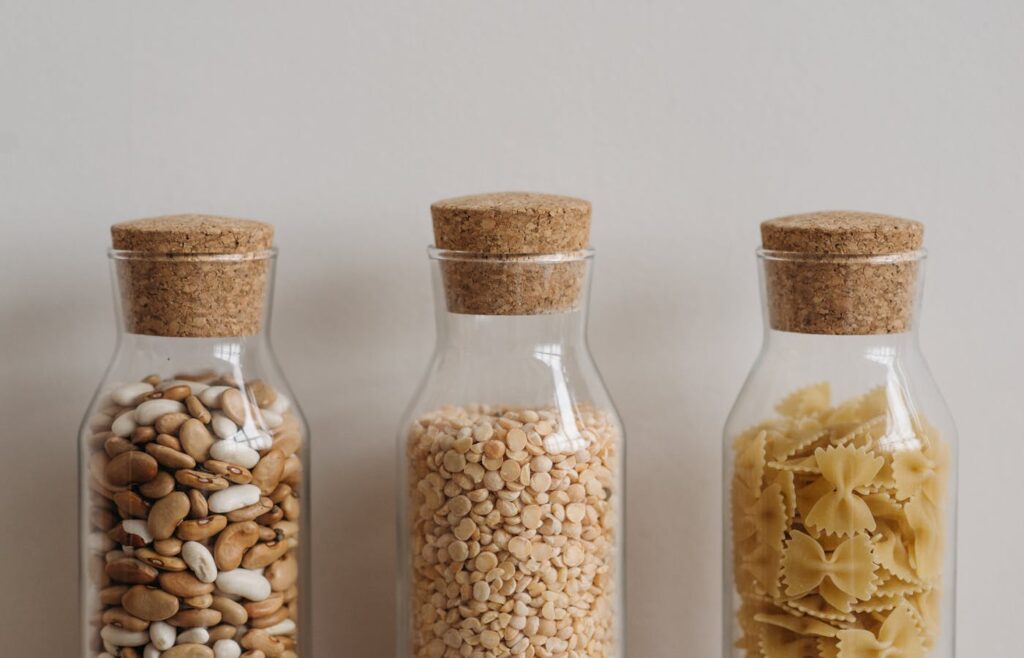
Bean-and-tomato meals also handle leftovers well. Spoon them into tortillas the next day, add them to eggs, fold them into rice, or use them as a baked potato topping. That flexibility is part of why they are so useful for tight grocery weeks.
Turn canned fish, corn, and soup into quick meals
Canned fish, corn, and soup are useful when dinner needs to move faster. Tuna or sardines can become pasta, toast, rice bowls, or potato toppings. Corn can stretch eggs, rice, soup, quesadillas, and bean skillets. Condensed soup can become a quick sauce for pasta, rice, chicken, vegetables, or potatoes when used carefully.
For canned tuna, add it near the end so it stays tender. Mix it with pasta, peas, black pepper, and a little oil or butter. For toast, combine tuna with mustard, pepper, and a little chopped pickle if available. For potatoes, add tuna with yogurt, mayo, or a little soup-based sauce.
Corn brings sweetness and texture. Stir it into rice with beans, add it to scrambled eggs, fold it into tortillas with cheese, or mix it with canned tomatoes for a simple salsa-style topping. If the corn is watery, drain it well and let it cook in the pan for a minute before adding other wet ingredients.
Soup is strongest when treated as a sauce starter, not the whole meal. Thin condensed soup with a small amount of milk, broth, or water, then add cooked rice, pasta, potatoes, vegetables, or beans. Taste before adding more seasoning because soup often carries plenty of salt.
Follow a pantry meal routine before shopping
A canned-goods meal saves more money when it prevents an extra grocery trip. The routine is simple: check what needs to be used, choose one base, choose one can for protein or vegetables, then add flavor from what is already open. This keeps the meal connected to the pantry instead of turning into a new shopping list.
Follow this pantry routine:
- Pick the base first: rice, pasta, potatoes, eggs, toast, or tortillas.
- Choose one main can for protein, such as beans, tuna, chicken, or lentils.
- Add one can for sauce, vegetables, or moisture, such as tomatoes, corn, peas, or soup.
- Drain or rinse anything that would make the meal too salty or watery.
- Season with pantry flavors before adding extra salt.
- Simmer, mash, or bake long enough for the texture to come together.
- Save leftovers in a form that can become lunch, tacos, toast, or a bowl.
Keep a small note of the cans you use often. If black beans, tomatoes, tuna, and corn repeatedly become real dinners in your kitchen, those are worth restocking when they are on sale. If a can sits untouched for months, it may not fit your cooking habits, even if it looked useful at the store.
Cheap pantry cooking is not about forcing every can into one meal. It is about using canned goods with a base, a clear job, enough seasoning, and a plan for leftovers. With that approach, a few shelf-stable ingredients can become dinner without making the plate feel like an emergency backup.