How to Organize Recipes You Want to Cook
Recipes pile up faster than most people can cook them. A saved video, a torn magazine page, a screenshot, a cookbook bookmark, and a handwritten note can all feel useful in the moment. Later, they become a scattered stack that is hard to search when dinner needs a decision.
Learning how to organize recipes you want to cook is less about building a perfect archive and more about making the next meal easier to choose. The system should help you find ideas by time, ingredients, mood, and effort instead of making every recipe look equally urgent.
A practical recipe setup should collect ideas, sort them lightly, mark what has been tested, and remove recipes that no longer fit the way you cook. It can be digital, paper, or a mix of both, as long as it stays easy to maintain.
Start with one recipe inbox instead of many hiding places
The first step is choosing one place where new recipes wait before they are sorted. This can be a notes app folder, a recipe app, a small binder pocket, a box of cards, or a notebook page titled recipes to try. The exact tool matters less than the habit of sending every new idea to the same place.
Without an inbox, recipes hide in text messages, browser tabs, screenshots, social feeds, cookbooks, emails, and sticky notes. When it is time to plan meals, the recipe you remembered saving is suddenly impossible to find. A single inbox gives every idea a temporary home until you decide whether it deserves a permanent place.
Keep the inbox simple. Do not sort every recipe the moment you find it. Save the title, where it came from, and one quick note about why it caught your attention. That might be cheap ingredients, a fast dinner, a holiday dessert, or a way to use pantry staples.
A recipe inbox should be quick enough to use while the idea is still fresh.
If the inbox becomes too full, that is useful information. It means the review habit needs to happen more often, not that the entire system has failed.
Sort recipes by cooking purpose, not only by dish type
Traditional recipe categories like soup, chicken, pasta, dessert, and salad can be helpful, but they do not always match how people choose meals on busy days. A person standing in the kitchen often asks a different question: What can I cook fast? What uses this leftover rice? What is cheap this week? What can I make for guests?
Organize recipes around the way decisions happen in your kitchen. Dish type can still be one layer, but purpose should be easy to see. A pasta recipe may belong in quick dinners, pantry meals, vegetarian meals, or comfort food depending on why you saved it.
Use only enough categories to make choices easier. Too many folders create the same problem as no folders because every recipe requires a decision before it can be saved. Start broad, then add categories only when one section becomes crowded.
| Recipe label | Use it when | Example note |
|---|---|---|
| Quick dinner | You need food fast | Ready in about 30 minutes |
| Pantry meal | You want fewer fresh items | Uses canned beans and rice |
| Weekend project | You have more time | Needs dough or long simmering |
| Use-up recipe | An ingredient needs attention | Good for spinach or herbs |
Categories should serve future choices. If a label never helps you decide what to cook, remove it or rename it.
Add notes that help you cook the recipe later
A saved recipe is more useful when it includes the details you wish you had remembered. Add small notes that answer real cooking questions: Did it need a large pan? Was the prep longer than promised? Did the sauce need more salt? Did the family like it? Could it be cheaper with a substitution?
Notes are especially helpful when recipes come from different sources. Some are written clearly, some hide important steps, and some use ingredient amounts that do not match your kitchen. A few personal notes can turn a recipe from a vague idea into something repeatable.
Use short, practical comments instead of rewriting the whole recipe. Mark whether the recipe is untested, tested, favorite, needs changes, or not worth repeating. This gives the collection memory. Otherwise, the same recipe can keep returning to the meal plan even after nobody enjoyed it.
Helpful recipe notes include:
- actual cooking time in your kitchen;
- ingredients you usually forget to buy;
- equipment needed, such as blender or sheet pan;
- substitutions that worked well;
- serving size after leftovers were counted;
- whether the recipe was easy enough for a weeknight.
These small notes make recipe organization more personal and more useful than a plain list of links or clippings.
Separate recipes to try from recipes you trust
Untested recipes and trusted recipes should not live in the same mental pile. A recipe you have cooked three times and enjoyed is very different from a recipe you saved because the photo looked good. Keeping them separate protects meal planning from becoming a gamble every night.
Create one area for recipes to try and another for recipes you trust. The try section can be casual and temporary. The trusted section should be cleaner, easier to find, and marked with notes from real cooking. This prevents the collection from filling with ideas that never become meals.
When you test a recipe, decide what happens next. Move it to trusted, keep it in testing with a note, or delete it. Avoid leaving every experiment in the same place forever. The value of a recipe collection comes from curation, not from saving every possible dinner idea. The cooking routine works better when beginner kitchen tips keep the next meal practical instead of adding more steps.
A good recipe system should make favorites easier to repeat and experiments easier to judge.
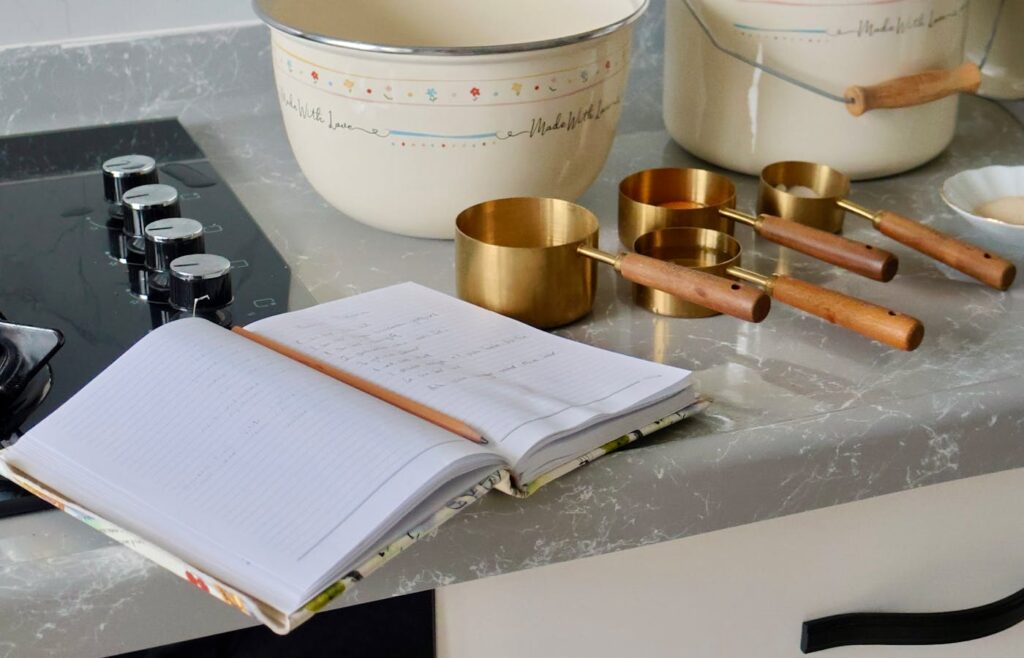
If you cook for other people, include a simple rating or note about who liked it. That can prevent repeating a meal that was technically fine but not right for your household.
Keep the system easy to search on a busy day
The best recipe organization system is the one you can search when you are tired. If a digital app is too slow, a binder is too full, or a notebook has no index, the system will be ignored exactly when it should help. Build around speed.
For digital recipes, use consistent names and tags. Put the main ingredient, cooking style, or meal purpose in the title or note. Instead of saving a recipe as amazing dinner, name it chickpea skillet quick dinner or freezer-friendly tomato soup. Clear names make search useful.
For paper recipes, use dividers, sticky tabs, or a simple index page. If you use a notebook, reserve the first pages for an index and number the pages as you add recipes. If you use a binder, keep current favorites near the front instead of hiding them behind recipes you rarely cook.
Make search easier with a few steady habits:
- use the same category names each time;
- write the main ingredient in the recipe title;
- mark fast meals clearly for tired nights;
- keep trusted recipes easier to reach than experiments;
- delete or archive recipes you always skip.
A searchable system turns saved recipes into choices instead of clutter. That is the difference between inspiration and another pile to manage.
Review recipes weekly before writing the grocery list
A recipe collection becomes useful when it connects to the grocery list. Set aside a few minutes before shopping to review saved recipes, pick one or two realistic meals, and remove ideas that no longer appeal. This keeps the system alive without turning it into a long organizing project.
The review should be practical. Look at your schedule, leftovers, pantry items, and budget before choosing recipes. A beautiful weekend recipe may not belong on a busy Tuesday. A simple pantry recipe may be exactly what saves the week.
Use this weekly recipe review routine:
- Open the recipe inbox and choose a few possible meals.
- Check what ingredients are already in the kitchen.
- Move one tested favorite into the meal plan.
- Choose one new recipe only if the week has room for it.
- Add missing ingredients to the grocery list.
- Delete recipes that no longer sound useful.
- Add notes after cooking so the system improves.
Do not try to cook every saved recipe. The point is to keep useful options close and let weak ideas leave quietly. A smaller collection of clear, tested, searchable recipes will help more than hundreds of saved ideas that never reach the stove.
Recipe organization becomes easier when it stays tied to real meals. Use one inbox, sort by cooking purpose, add honest notes, protect trusted favorites, and review before shopping. The system can stay simple because the goal is simple: making it easier to choose what to cook next.