Easy Egg Breakfast Recipes for Beginners
Eggs are a friendly place to start when breakfast feels repetitive, but beginners often make the process harder than it needs to be. A useful egg breakfast does not require a restaurant-style omelet, special pan, or long list of toppings. It needs gentle heat, one simple method, and a side that makes the plate feel complete.
These easy egg breakfast recipes for beginners focus on repeatable formulas rather than complicated recipes. The goal is to make eggs feel reliable on a normal morning. Once the basic timing feels comfortable, the same egg can turn into toast, a bowl, a wrap, or a make-ahead breakfast without much extra work.
Start with low heat and a simple pan
Most beginner egg problems start with heat that is too high. Eggs cook quickly, and high heat can turn them rubbery before the rest of breakfast is ready. Use low to medium-low heat, give the pan a minute to warm, and add a little butter or oil so the eggs do not stick.
A nonstick or well-seasoned pan makes the first attempts easier. The pan does not need to be large unless you are cooking for several people. For one or two eggs, a smaller pan gives better control and keeps the egg from spreading too thin. Keep a silicone spatula nearby so you can move the eggs gently instead of scraping hard at the end.
Salt can go in before or after cooking, depending on the texture you like. For beginners, the bigger issue is not the exact salt timing; it is watching the eggs and removing them before they overcook. Slightly soft eggs will continue firming up from residual heat.
Make soft scrambled eggs first
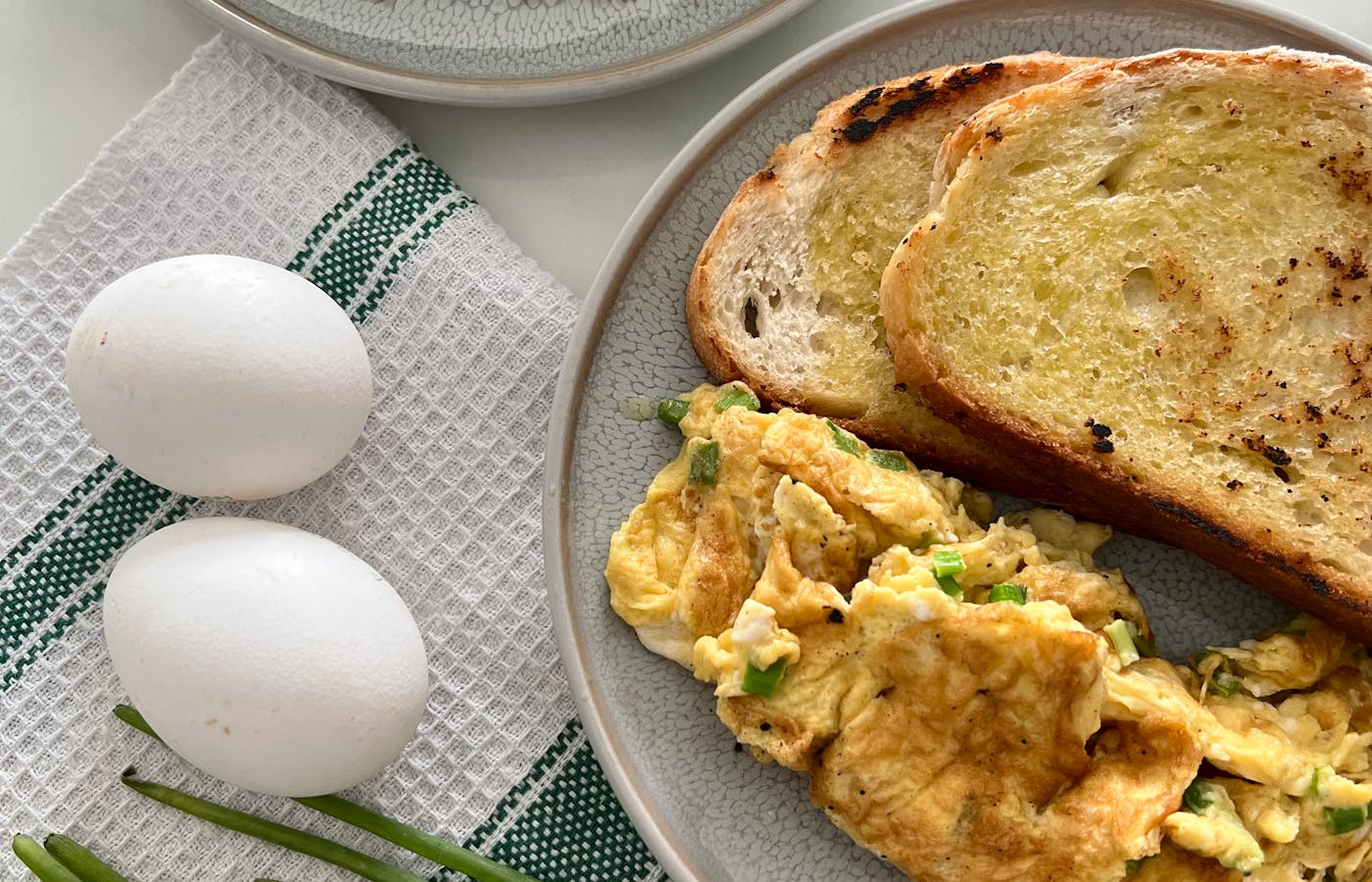
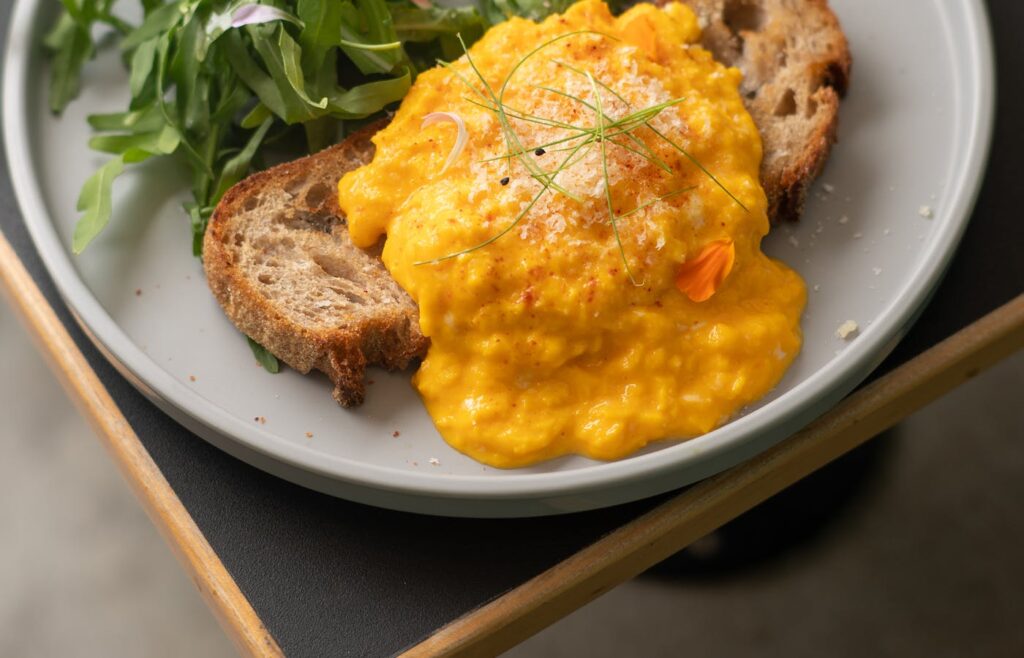
Scrambled eggs are the easiest method to practice because you can see the texture change while cooking. Beat the eggs in a bowl until yolk and white are combined, then pour them into the warm pan. Let the edges begin to set, then slowly push the eggs across the pan with a spatula.
Stop while the eggs still look a little glossy. If they look fully dry in the pan, they may taste dry on the plate. Add toast, fruit, greens, or a small bowl of yogurt to round out the meal. Simple scrambled eggs are a skill, not a backup plan. Once the texture is right, the rest of breakfast becomes easier. If the pan feels too hot, lift it off the burner for a moment instead of stirring faster.
Turn one fried egg into toast
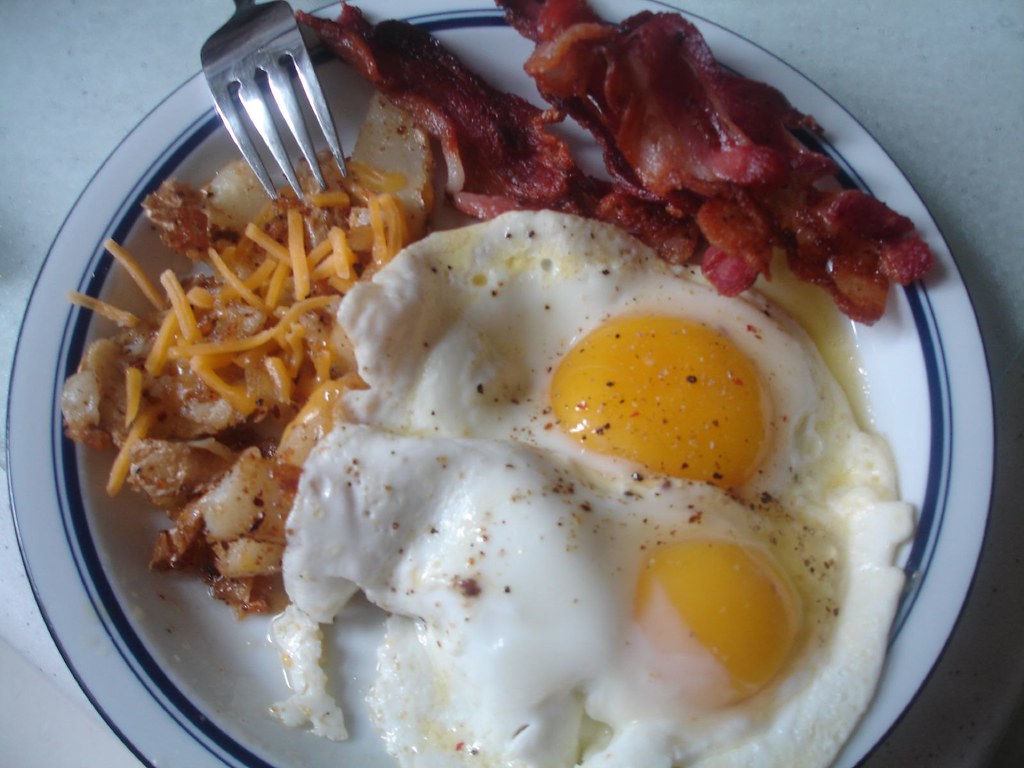
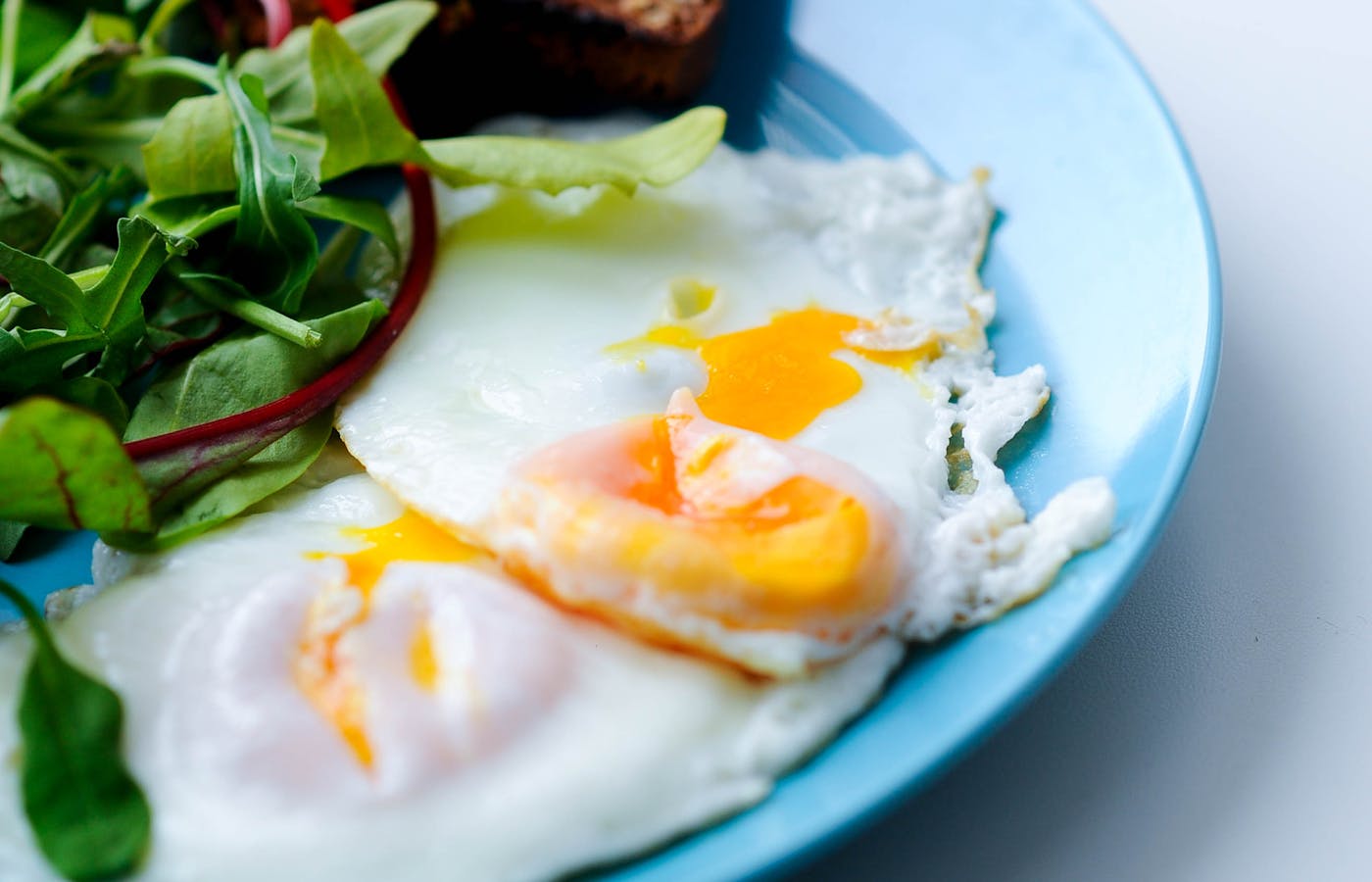
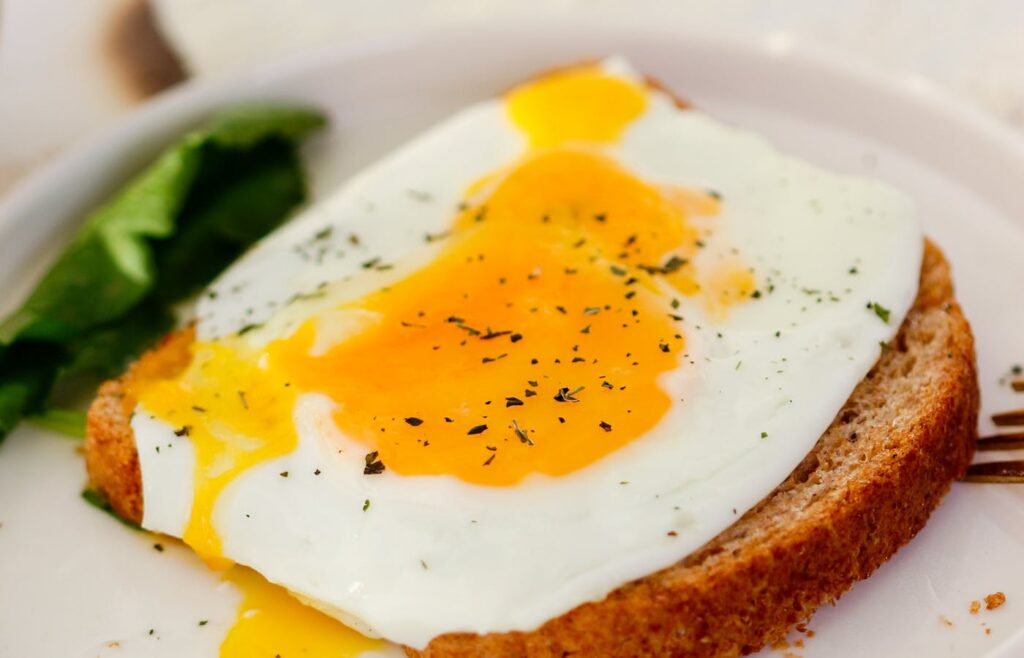
Fried egg toast is useful because the bread creates a base and the egg adds protein quickly. Toast the bread first so the egg does not sit waiting. Cook the egg over low or medium-low heat until the whites are set. If you want a firmer yolk, cover the pan briefly so the top cooks without flipping.
Keep toppings simple. A little avocado, tomato, cheese, spinach, hot sauce, or herbs can change the flavor without turning breakfast into a project. If the toast is small, use one egg. If the bread is thick or the morning is longer, add fruit or yogurt on the side instead of piling on too many toppings.
- Toast with fried egg and tomato.
- Toast with scrambled egg and spinach.
- Toast with egg, avocado, and a pinch of salt.
- Toast with egg and a small slice of cheese.
Prepare boiled eggs for make-ahead mornings
Boiled eggs help when mornings are too rushed for a pan. Cook a few eggs ahead, cool them, and store them in the refrigerator. They can become breakfast with toast, fruit, oatmeal, salad greens, or a simple wrap. The benefit is not that boiled eggs are exciting; it is that they remove one cooking decision.
For easier peeling, cool the eggs after cooking and peel only what you plan to eat soon. Keep a note on the container with the date, especially if several people use the refrigerator. If an egg smells off, looks unusual, or has been stored too long, skip it. Food safety matters more than saving one breakfast.
A boiled egg can also rescue a low-protein breakfast. Add it to toast, a grain bowl, or a plate of fruit and cottage cheese. That small addition can make a quick meal feel more complete. That morning choice works better when high-protein breakfast ideas without much cooking keep the meal quick without making it feel improvised.
Build beginner egg bowls from leftovers
Egg bowls are helpful because they can use what is already in the kitchen. Leftover rice, roasted potatoes, beans, cooked vegetables, greens, or toast pieces can become the base. Add a scrambled, fried, or boiled egg on top and finish with one sauce or seasoning.
The key is reheating the base before adding the egg. Cold rice or potatoes under a hot egg can make the meal feel uneven. Warm the base, cook the egg, and assemble the bowl while everything is still fresh. Keep the bowl small enough that it feels like breakfast, not a full dinner plate.
For a lighter bowl, start with greens or toast pieces instead of grains. For a more filling bowl, add beans, potatoes, or leftover vegetables before the egg goes on top. The same planning helps in breakfast meal prep ideas for busy mornings, where the meal has to be simple before the day starts moving.
Keep add-ins beginner-friendly
Add-ins should make eggs easier to enjoy, not harder to cook. Watery vegetables can make scrambled eggs loose if they are added raw. Cook mushrooms, peppers, onions, or spinach briefly before adding eggs, or use dry toppings after cooking. Cheese, herbs, salsa, and avocado are easier because they can be added near the end.
Choose one flavor direction for each breakfast. Eggs with spinach and feta feel different from eggs with salsa and beans, but both are simple. Problems start when too many ingredients compete in the pan and the eggs overcook while everything else catches up.
- Spinach and cheese for a mild savory breakfast.
- Salsa and beans for a quick bowl or wrap.
- Avocado and tomato for egg toast.
- Leftover potatoes and herbs for a warm plate.
- Yogurt and fruit on the side for balance.
Use a repeatable egg-cooking routine
A routine helps beginners avoid rushing. Set out the plate, toast, toppings, and spatula before the eggs hit the pan. Eggs cook fast enough that searching for a fork or cutting fruit halfway through can change the texture. A short setup makes the cooking feel calmer.
- Choose scrambled, fried, boiled, toast, bowl, or wrap.
- Prepare bread, toppings, or leftovers first.
- Warm the pan on low or medium-low heat.
- Cook the egg gently and watch the texture.
- Remove the egg before it looks dry.
- Add one side or topping and serve right away.
Repeat the same method for a few mornings before changing everything. Once scrambled eggs feel easy, try fried egg toast. Once toast feels easy, try a bowl or wrap. Building skill in layers makes breakfast more reliable.
Know when to keep breakfast extra simple
Some mornings are not the time for a new recipe. If the kitchen is rushed, the pan is dirty, or the schedule is tight, use boiled eggs, toast with a quick fried egg, or scrambled eggs with one topping. A basic breakfast that gets eaten is better than an ambitious breakfast that creates stress and dishes.
Easy egg breakfasts become useful when they fit real mornings. Learn low heat, protect texture, keep toppings simple, and pair eggs with bread, fruit, greens, or leftovers. That gives beginners several breakfast options without needing a new recipe every day.
It also helps to keep one dependable backup in mind. If nothing else sounds manageable, make the egg method you know best and add the easiest side available. Confidence grows faster when breakfast succeeds on ordinary days.