Budget Meal Prep Grocery List for Beginners
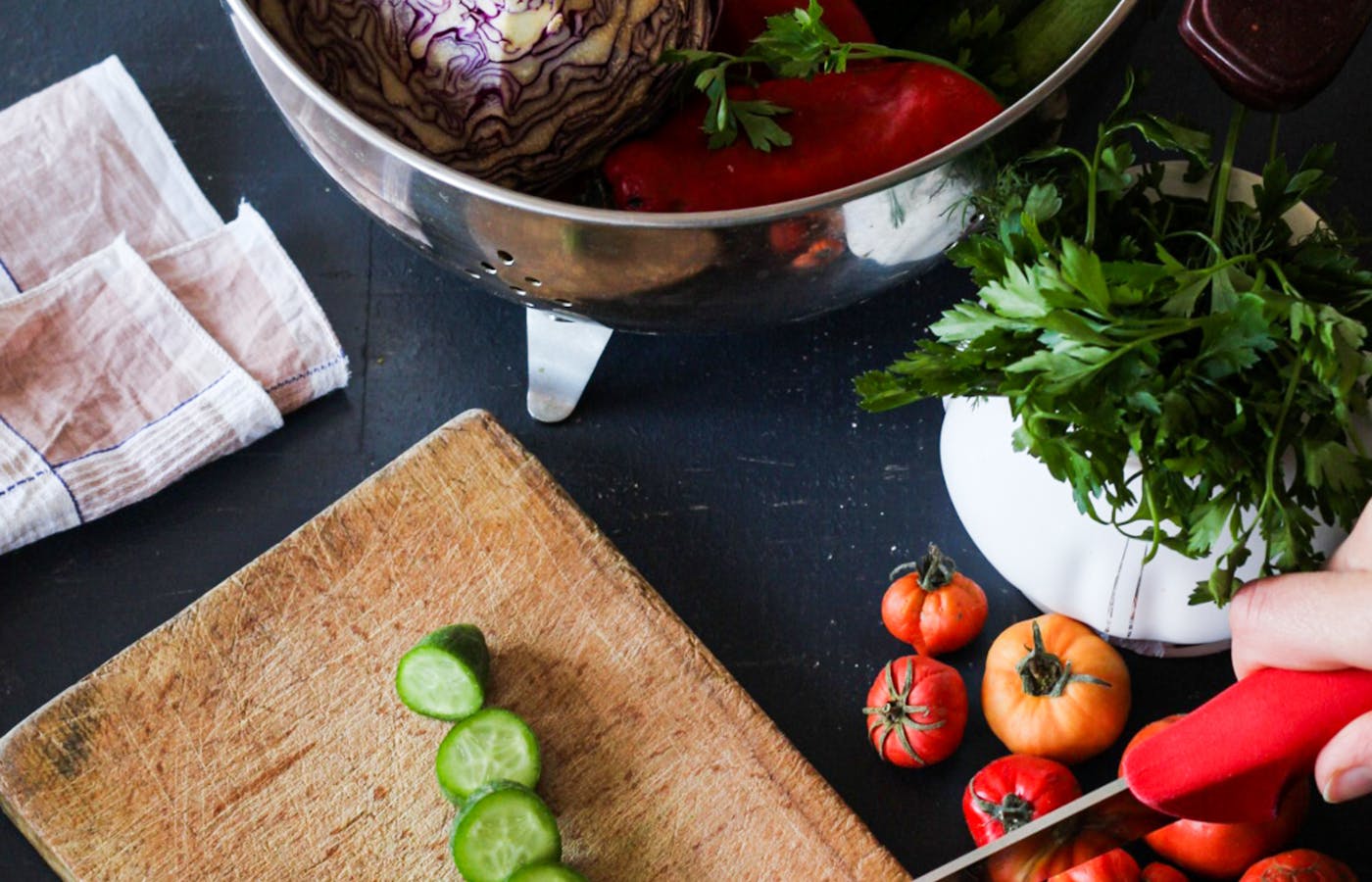
It is easy to come home from the store with a full bag and still feel like there is nothing simple to cook. The difference is usually not fancy containers or a perfect Sunday routine. It is whether the list is tied to real meals, real appetite, and ingredients that can do more than one job.
A budget meal prep grocery list should help a beginner shop with fewer guesses. Instead of buying random healthy foods and hoping they become meals, build the list around roles: protein, base, vegetables, flavor, snacks, and backup items. That keeps the cart focused without making the week feel strict.
The goal is not to prep every bite you will eat. The goal is to buy enough useful food that lunch, dinner, and quick snacks feel easier before takeout starts looking like the only option.
Start the grocery list with meals you will actually eat
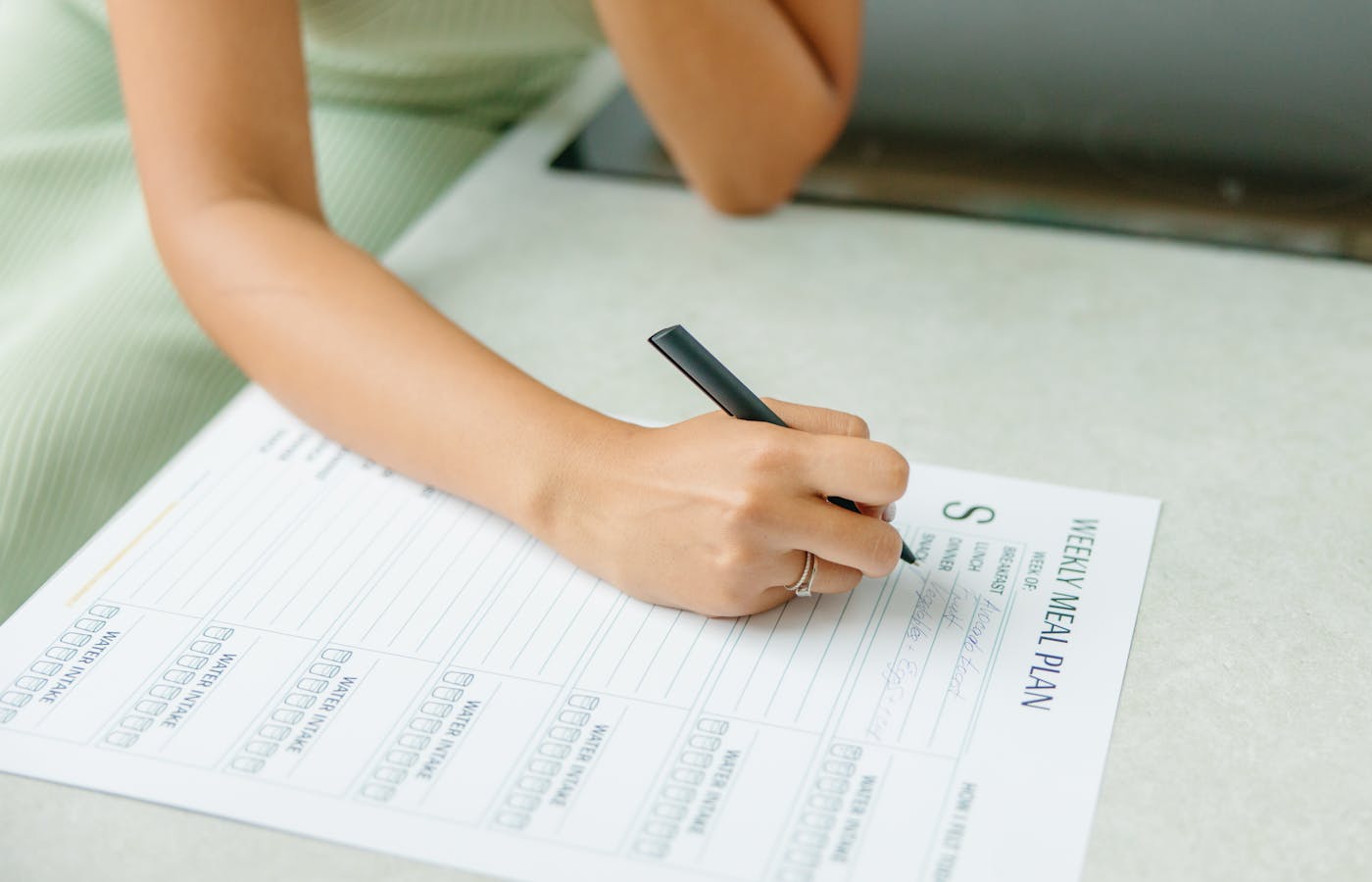
Before writing ingredients, choose the meals you want to make easier. A beginner grocery list can start with two lunches, two dinners, and one backup option instead of seven fully planned days. That smaller target makes the list more realistic and leaves room for leftovers, invitations, cravings, and nights when cooking energy disappears.
Think in repeatable meals, not perfect recipes. Rice bowls, pasta with vegetables, bean wraps, chicken and potatoes, egg meals, soup, and salad bowls can all change flavor without changing the whole shopping list. A meal that works twice in different forms is usually better for a budget than one recipe that needs six special ingredients.
I like to write the meal idea first, then the ingredients underneath it. That simple order catches extra purchases before they happen. If an item does not support a meal, snack, or backup plan, it has to earn its place in the cart.
Choose low-cost proteins before anything else
Protein often decides whether a meal feels filling, so it belongs near the top of the list. Budget-friendly choices can include eggs, beans, lentils, canned tuna, canned salmon, chicken thighs, ground turkey, tofu, cottage cheese, Greek yogurt, peanut butter, and frozen edamame. The best choice depends on price in your store and what you will actually eat.
Choose two proteins for the week instead of buying a little of everything. For example, eggs and beans can cover breakfast, wraps, bowls, and quick dinners. Chicken and yogurt can cover lunches, salads, snacks, and sauces. Fewer proteins make prep easier because you can cook once and use the result several ways.
Watch package size too. A giant pack only saves money if it gets used or frozen before it spoils. If you are cooking for one or two people, smaller packages can sometimes be cheaper in real life because less food ends up forgotten.
Pick one or two bases that stretch the meals
Bases are the affordable ingredients that make meal prep feel complete. Rice, pasta, oats, potatoes, tortillas, bread, couscous, quinoa, noodles, and frozen grains can all help turn protein and vegetables into actual meals. For budget cooking, the base should be inexpensive, easy to store, and flexible enough to appear more than once.
Beans and lentils are some of the most useful essential pantry staples because they can become soup, tacos, bowls, pasta sauce, salad, toast topping, or a quick skillet. Canned beans are faster, while dry lentils and dry beans can be cheaper if you cook them regularly.
| Meal role | Budget examples | How it helps prep |
|---|---|---|
| Protein | Eggs, beans, chicken thighs, tofu | Makes meals filling |
| Base | Rice, oats, pasta, potatoes | Stretches portions affordably |
| Vegetables | Frozen broccoli, cabbage, carrots | Adds volume and color |
| Flavor | Salsa, yogurt sauce, soy sauce | Keeps repeat meals from tasting flat |
Add vegetables that work in more than one meal
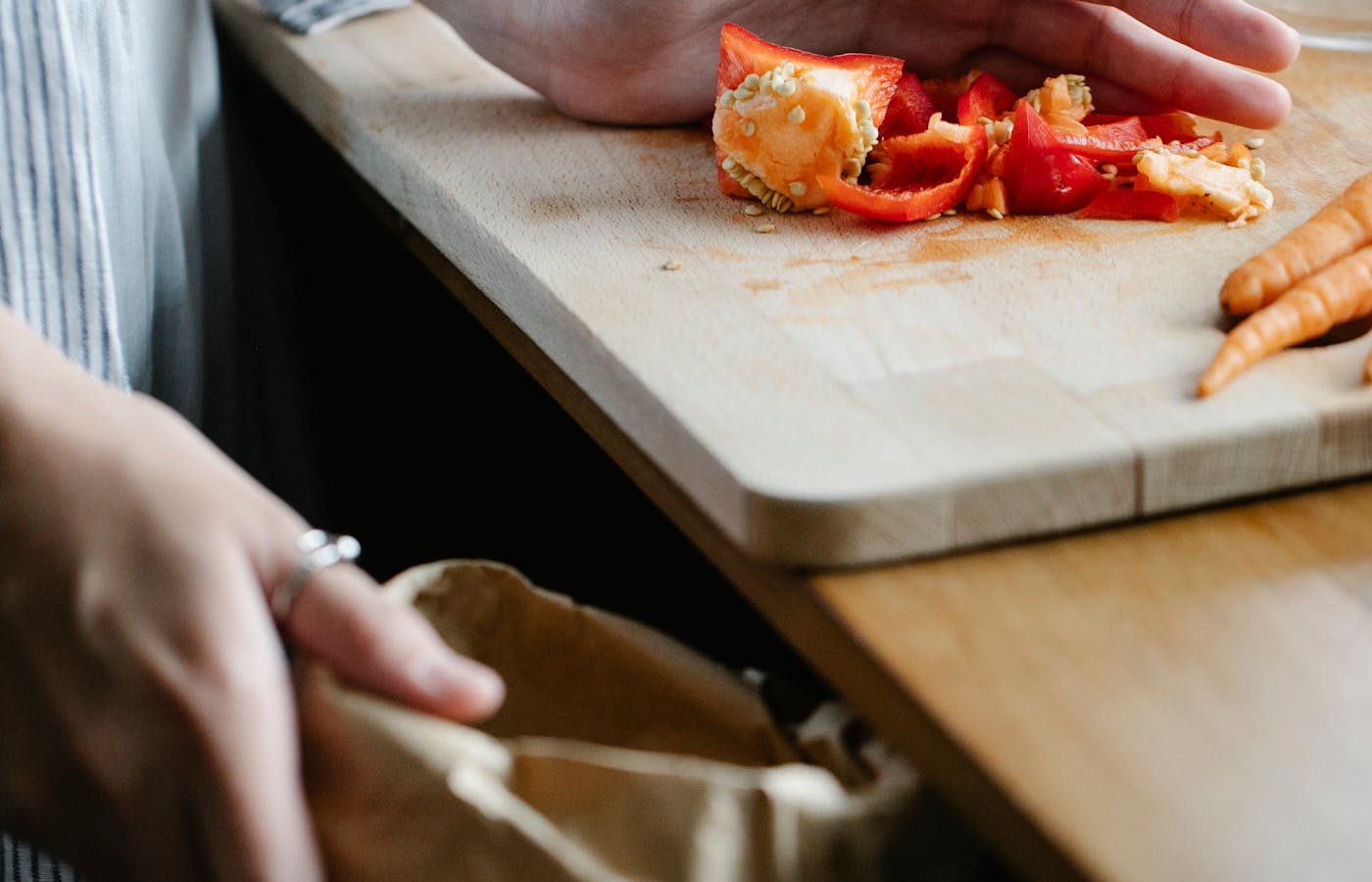
Vegetables can make or break a grocery budget because fresh produce is easy to overbuy. Choose vegetables that fit several meals and can survive the week. Cabbage, carrots, broccoli, onions, peppers, frozen spinach, frozen mixed vegetables, cucumbers, and bagged greens can all work, but they need a plan.
Frozen vegetables are useful for beginners because they wait for you. They can go into rice bowls, pasta, soups, eggs, and quick skillet meals without the same spoilage pressure as fresh vegetables. Fresh vegetables are still great, but buy them for specific meals instead of vague good intentions.
- Choose one fresh vegetable for crunch or salads.
- Choose one sturdy vegetable for cooking.
- Keep one frozen vegetable as backup.
- Use onions, carrots, or cabbage when you need cheap volume.
- Skip delicate produce if your week looks unpredictable.
Use sauces and small extras to prevent boredom
Budget meal prep gets easier when the same base ingredients can taste different. Sauces, seasonings, and small extras help. Salsa, hot sauce, soy sauce, mustard, lemon juice, vinegar, plain yogurt, peanut sauce, hummus, shredded cheese, pickles, herbs, and spice blends can change the direction of a meal without requiring a second grocery trip.
This is where restraint matters. A cart full of sauces can ruin the budget quickly. Choose one or two flavor helpers for the week and make sure they match the meals already planned. Salsa can work with eggs, bowls, beans, and wraps. Yogurt can become breakfast, dip, dressing, or sauce. A good extra should work more than once. That timing decision pairs well with a chicken-and-rice meal prep plan because a fast meal still needs texture, doneness, and cleanup to stay manageable.
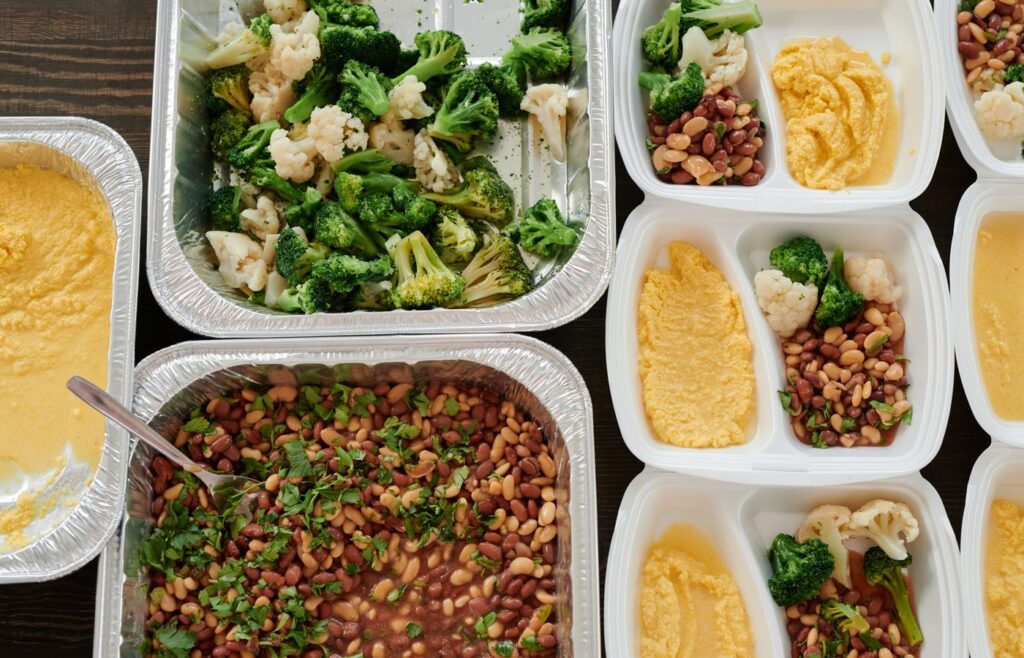
If the list is boring on paper, the meals will probably feel boring by Wednesday. Add flavor, but make each flavor item earn several uses.
It also helps to add one budget snack that prevents random spending. Bananas, apples, yogurt, popcorn kernels, boiled eggs, peanut butter toast, carrots with hummus, or a simple trail mix can cover the gap between meals. Snacks do not need to be complicated, but they should be planned enough that a busy afternoon does not turn into an expensive convenience stop.
Check containers, leftovers, and freezer space before shopping
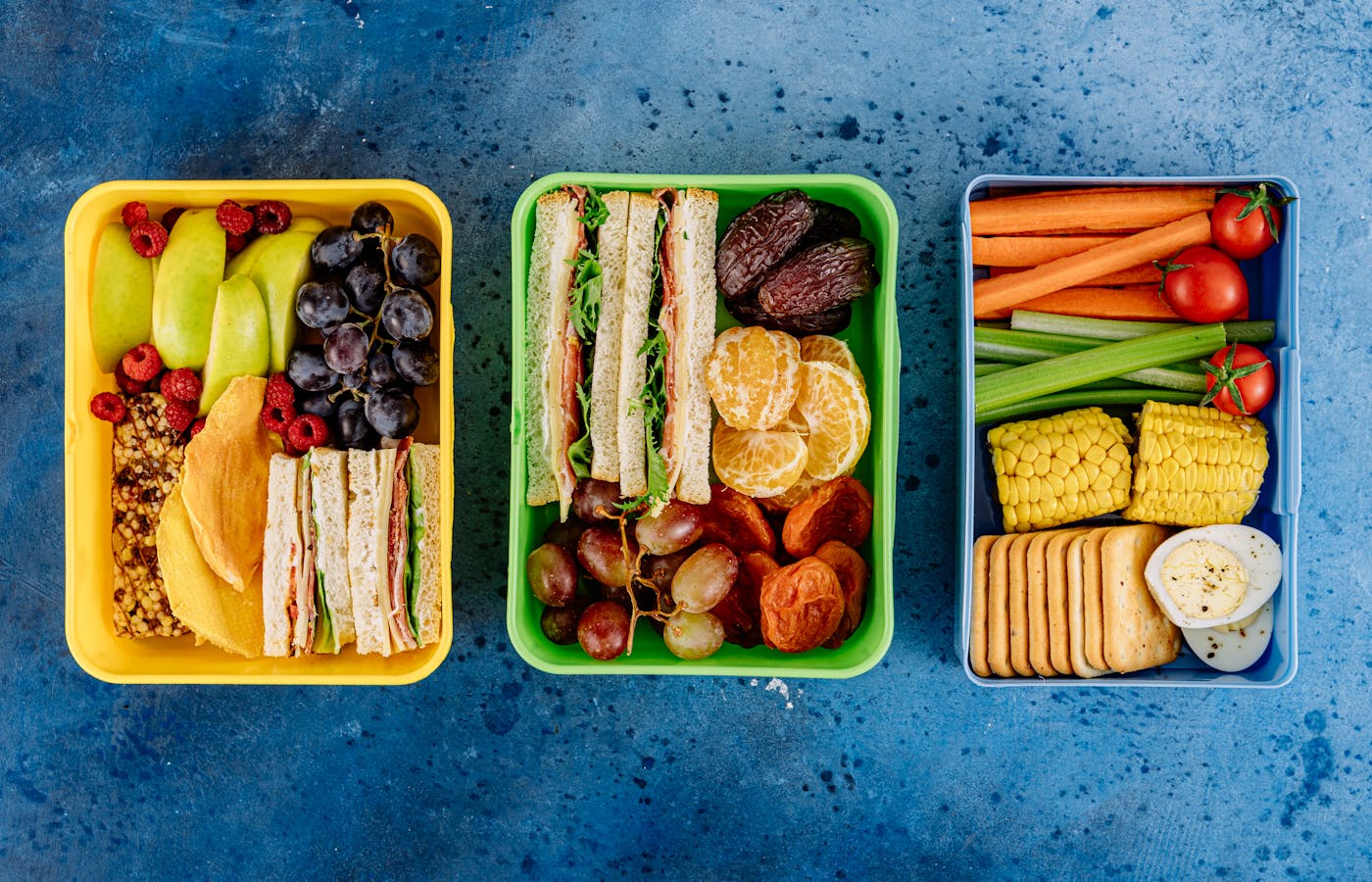
A grocery list is not only about food. It also has to fit your kitchen. Before shopping, check containers, lids, freezer space, pantry staples, and what is already open. This prevents buying food for a prep plan that has nowhere to go once it is cooked. That kitchen rhythm is easier to keep when a meal prep lunch ideas for work plan gives leftovers and prep containers a clear purpose.
Look for rice, pasta, oats, canned beans, frozen vegetables, sauces, spices, and half-used bags before leaving home. These items can lower the grocery bill immediately. If you already have rice and canned beans, the list may only need eggs, vegetables, yogurt, and one sauce. Budget meal prep often starts by using what is already paid for.
Check the fridge honestly too. If there are only two clean containers, plan two prepared lunches and keep the rest as ingredients. A smaller prep that fits the storage you have is better than cooking a large batch that ends up crowded, uncovered, or forgotten.
The cheapest grocery list is usually the one that remembers what is already in the kitchen.
Turn the list into a simple shopping routine
Once the list is built, shop in a steady order. Start with pantry and frozen staples, then proteins, then produce, then flavor items. Keep snacks and extras near the end so they do not crowd out the ingredients that make meals possible. If the total is getting too high, remove extras before removing the core meals.
- Pick two lunches, two dinners, and one backup meal.
- Choose two low-cost proteins.
- Add one or two bases that stretch portions.
- Choose vegetables that can work in several meals.
- Add one or two flavor helpers.
- Check containers and storage before cooking.
For beginners, the list should feel useful before the first container is filled. Build it around meals, keep the ingredients flexible, use what you already have, and buy fewer items with clearer jobs. That is enough to make the week easier without turning grocery shopping into a math problem.